












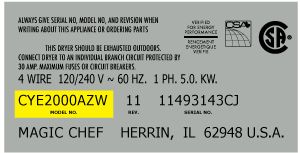

LSE7800AGL Maytag Washer Dryer Combo - Instructions
Keep searches simple. Use keywords, e.g. "leaking", "pump", "broken" or "fit".
Washer leaked at injector valve site
Removed two screws from bottom of front cover. Raised front cover to disingage clips and remove. Removed two screws to release top cover. Propped top cover up with mop to allow access to injector site. Removed two clamps to free injector sleeve, nozzle and valve from inlet hose. Installed new clamps, sleeve, nozzle and bracket. Lowered top cover and tested for leaks. None found. Reinstalled top cover. Reinstalled front cover. Washer back in service.
Parts Used:
-
Matthew from Coloorado Springs, CO
-
Difficulty Level:Really Easy
-
Total Repair Time:15 - 30 mins
-
Tools:Nutdriver, Screw drivers
6 of 7 people
found this instruction helpful.
Was this instruction helpful to you?
Thank you for voting!
Washer was leaking a lot of water
This repair started because I wanted to clean the lint build up out the exhaust vent. But when I moved the washer out, the tile floor was buckled from water damage. So I removed the old tiles and coated the cement with waterproof paint and sealed the seams of the baseboards. Then before reinstalling the washer I had to locate the water leak. I looked at the water inlets and the faucets and saw (and felt) nothing wet. Then I started the wash cycle and looked for the drips. I found them on the left side coming from under the unit. I removed the water inlet plumbing (two screws hold it in place) from the back of the washer but there was no leak. Finally I removed the front panel and could see water running down the side and coming from near the top of the machine. This was right behind the water inlet unit and I thought that one of the hoses was leaking. To get to that area I then removed the top casing and found the injector port was leaking, not the hoses. To remove the front panel I had to take out two screws at the bottom of the panel. To remove the top I had to remove 4 screws...the two rear screws were easily accessible but the two front screws were inside the unit and the one on the left had restricted access because of the electrical unit installed there. After the replacement parts arrived it was relatively easy to remove the front and top again to gain access to the injector port. I removed the old nozzle and valve and installed the new parts. Then I started a wash cycle to check that the leak was fixed. The water did not leak so the repair was successful.
Parts Used:
-
Charles from Tucson, AZ
-
Difficulty Level:A Bit Difficult
-
Total Repair Time:15 - 30 mins
-
Tools:Nutdriver, Screw drivers, Socket set
6 of 7 people
found this instruction helpful.
Was this instruction helpful to you?
Thank you for voting!
door switch broke
remove bottom section under door 2 screws remove door 2 screws remove switch by squeezing tabs install 2 new female ends on wires supplied with switch . put switch back in plug in wires .
Parts Used:
-
richard from pleasant valley, NY
-
Difficulty Level:Easy
-
Total Repair Time:15 - 30 mins
-
Tools:Nutdriver, Screw drivers
9 of 16 people
found this instruction helpful.
Was this instruction helpful to you?
Thank you for voting!
water leak during spin cycle
First removed the two lower screws from the front panel. I then unscrewed two screws holding the top(lid) of washing machine. I then lifted the lid and let it rest on its rear hinges. The syphon is removed by unscrewing four screws from the rear of the washer. I then cut the original clamp holding the syphon to the hose. New syphon was installed. Enclosed hose clamp was used to tighten around hose. Syphon was then then screwed back to the rear wall of the machine. Easy fix. Water leak solved.
Parts Used:
-
Efrain from Fontana, CA
-
Difficulty Level:Really Easy
-
Total Repair Time:Less than 15 mins
-
Tools:Screw drivers, Wrench (Adjustable)
6 of 7 people
found this instruction helpful.
Was this instruction helpful to you?
Thank you for voting!
Door safety switch would not close keeping dryer from running
Shut off or unplugged dryer for safety.
Slipped thin blade putty knife up under bezel of switch to unlatch from the panel and pulled forward to remove the swwitch from the dryer. Unplugged the quick connect terminals (3) from the old switch and plugged them onto the new switch. one of the terminals had gotten quite hot and darkened the insulation so it was replaced with one that was supplied with the switch. that was a cut, strip, crimp process. Placed the new switch into the panel and snapped into place.
Slipped thin blade putty knife up under bezel of switch to unlatch from the panel and pulled forward to remove the swwitch from the dryer. Unplugged the quick connect terminals (3) from the old switch and plugged them onto the new switch. one of the terminals had gotten quite hot and darkened the insulation so it was replaced with one that was supplied with the switch. that was a cut, strip, crimp process. Placed the new switch into the panel and snapped into place.
Parts Used:
-
John from Warsaw, IL
-
Difficulty Level:Really Easy
-
Total Repair Time:Less than 15 mins
9 of 16 people
found this instruction helpful.
Was this instruction helpful to you?
Thank you for voting!
Water leak coming from rear, left side of washing machine.
Removed front access panel--very easy, two screws at bottom of panel, near the floor. Removed two more hex-headed screws that secure the top panel/lid to the top of the washing machine frame.
Most difficult problem was identifying the source of the leak. I saw water running out of a white, rectangular (about 1" x 3/4" x 3/4") box-like device that was installed in the water line that leads from the mixing valve (blue box, mounted at the back of washer) to the top of the tub. Discovered this device is called the injector assembly, have not yet been able to figure out what function it serves.
Disconnected one of the hose clamps that secure the injector assembly to the water hose. Removed the rubber injector valve and injector nozzle, the two parts that fit inside the above-described "box." Soaked the assembly "box" in vinegar to eliminate hard-water deposits. Replaced the two internal parts (injector nozzle & injector valve) with new (about $15, including shipping). This almost resolved the problem, still saw a small amount of water leaking from the whole assembly, but only about 5% of what was leaking. Haven't yet figured out why it's not completely dry, or what function that injector assembly serves.
Most difficult problem was identifying the source of the leak. I saw water running out of a white, rectangular (about 1" x 3/4" x 3/4") box-like device that was installed in the water line that leads from the mixing valve (blue box, mounted at the back of washer) to the top of the tub. Discovered this device is called the injector assembly, have not yet been able to figure out what function it serves.
Disconnected one of the hose clamps that secure the injector assembly to the water hose. Removed the rubber injector valve and injector nozzle, the two parts that fit inside the above-described "box." Soaked the assembly "box" in vinegar to eliminate hard-water deposits. Replaced the two internal parts (injector nozzle & injector valve) with new (about $15, including shipping). This almost resolved the problem, still saw a small amount of water leaking from the whole assembly, but only about 5% of what was leaking. Haven't yet figured out why it's not completely dry, or what function that injector assembly serves.
Parts Used:
-
Greg from Orem, UT
-
Difficulty Level:Easy
-
Total Repair Time:1- 2 hours
-
Tools:Nutdriver, Screw drivers
6 of 8 people
found this instruction helpful.
Was this instruction helpful to you?
Thank you for voting!
Noisy Dryer operation and eventually no air movement through dryer
Every two to three years, the blower wheel gets chewed out in the center where it attaches to the motor shaft. I have learned the sound of it starting to rattle so I know to order a new blower before the air stops moving altogether. Replacing it is very easy if you have tiny sockets or nut drivers and a pair of snap ring pliers.
When working on this dryer, be aware that the heater wires are always "hot", even when the dryer is not running. You are only likely to touch one at a time so the worst you will feel is 120 volts. The shock probably won't hurt you but you may cut yourself jerking your arm out of the dryer. Best to unplug the dryer or open the circuit breaker before sticking your arm in there!
When working on this dryer, be aware that the heater wires are always "hot", even when the dryer is not running. You are only likely to touch one at a time so the worst you will feel is 120 volts. The shock probably won't hurt you but you may cut yourself jerking your arm out of the dryer. Best to unplug the dryer or open the circuit breaker before sticking your arm in there!
Parts Used:
-
Russell from ELK GROVE, CA
-
Difficulty Level:Easy
-
Total Repair Time:30 - 60 mins
5 of 5 people
found this instruction helpful.
Was this instruction helpful to you?
Thank you for voting!
Broken drum belt
I pulled the face of the dry off by removing the two screws on the lower face below the door. I pulled the drum out by removing the two bolts holding the drum mounts to the frame. I put the new belt around the drum and remounted it. The access hole on the lower right corner on the back of the appliance allowed me to turn the drum to align the belt (and turn it right side up) with the pulley. It took a moment to figure out how to re-thread the pulley but was able to do it after only a couple of tries. All in all it was quite easy!
Parts Used:
-
Robert from Finland, MN
-
Difficulty Level:Easy
-
Total Repair Time:30 - 60 mins
-
Tools:Screw drivers, Socket set
8 of 14 people
found this instruction helpful.
Was this instruction helpful to you?
Thank you for voting!
Very old washer was leaking oil and grease drops into the wash water.
Followed the procedures recommended for replacement of all the parts included in the Tub Bearing Kit and the Mounting Stem/Tub Seal kit as illustrated in a detailed, 32 minute repair video for the Maytag A606 washer which is available on YouTube. Many difficulties were experienced in the disassembly procedures due to extensive corrosion of tub bearing and tub stem parts (the washer is 47 years old).
I was not successful in using a special tub wrench that was purchased to break loose the old tub mounting stem and its threaded lock nut. The old tub mounting stem, lock nut, and the tub bearing race had to be cut off the threaded support shaft using a saws-all electric tool. Finally, corrosion on the edge of the tub caused problems with water leaks once the tub top and its rubber tub seal ring were reinstalled and the washer was put back into operation. The bottom line is that it may be questionable to attempt major repairs on washers that are 40+ years old and have any extensive corrosion in internal, mechanical parts.
I was not successful in using a special tub wrench that was purchased to break loose the old tub mounting stem and its threaded lock nut. The old tub mounting stem, lock nut, and the tub bearing race had to be cut off the threaded support shaft using a saws-all electric tool. Finally, corrosion on the edge of the tub caused problems with water leaks once the tub top and its rubber tub seal ring were reinstalled and the washer was put back into operation. The bottom line is that it may be questionable to attempt major repairs on washers that are 40+ years old and have any extensive corrosion in internal, mechanical parts.
Parts Used:
-
William A from PITTSBURGH, PA
-
Difficulty Level:Difficult
-
Total Repair Time:More than 2 hours
-
Tools:Nutdriver, Pliers, Screw drivers, Socket set, Wrench set
5 of 5 people
found this instruction helpful.
Was this instruction helpful to you?
Thank you for voting!
noisy
-
Hazel from CONNERSVILLE, IN
-
Difficulty Level:A Bit Difficult
-
Total Repair Time:More than 2 hours
-
Tools:Nutdriver, Screw drivers, Socket set
7 of 11 people
found this instruction helpful.
Was this instruction helpful to you?
Thank you for voting!
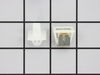
Dryer would not stay closed.
I used a flat screw driver to pop out the old female portion and snapped in the new one. Dryer stays shut. That's it!
Parts Used:
-
karl from monroe, GA
-
Difficulty Level:Really Easy
-
Total Repair Time:Less than 15 mins
-
Tools:Screw drivers
5 of 5 people
found this instruction helpful.
Was this instruction helpful to you?
Thank you for voting!
missing, probably broken female latch part
-
claude from laguna niguel, CA
-
Difficulty Level:Really Easy
-
Total Repair Time:Less than 15 mins
5 of 5 people
found this instruction helpful.
Was this instruction helpful to you?
Thank you for voting!
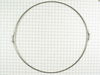
After 29 yrs, tub top clamp broke from vibration
Removed front, loosened top & tilted up. Placed tub top assuring it would not rub inner basket. Placed clamp on Ridge & gasket & tightened. Reassembled & started washing.
Parts Used:
-
David from ROCK HILL, SC
-
Difficulty Level:A Bit Difficult
-
Total Repair Time:30 - 60 mins
-
Tools:Screw drivers, Socket set
5 of 5 people
found this instruction helpful.
Was this instruction helpful to you?
Thank you for voting!
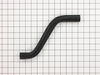
Water was leaking from under washer
Frist remover the two screws from washer front. The ones that are about 5 inches from the floor. Pulled front cover toward me and removed. The hose was right in the front that was cracked. It was held on by two hose clamps. I just removed the old and put in the new. No more water on the floor. Shipping was fast for the hose too. They said that if they recieved the order by 3pm it would be shipped the same day. I order at 3:01pm Sat. recieved Tuesday.
Parts Used:
-
tina from north bennington, VT
-
Difficulty Level:Really Easy
-
Total Repair Time:15 - 30 mins
-
Tools:Screw drivers
5 of 5 people
found this instruction helpful.
Was this instruction helpful to you?
Thank you for voting!
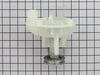
The old pump was beginning to drag due to the age of the washer.
Removed the front panel. Then blocked up the front of the machine. Removed the pump belt. Removed the 3 5/16" screws from the bottom of the old one and tilted it slightly to remove. Put the new one in and reinstalled the 3 screws. Put the belt back on and slid new pump all the way to the right and tightened 1 screw. Loosened the screw until there was about 1/4" of gap when squeezed the belt together. Tightened the one screw, then the other 2. Put the front panel back on and lowered the machine. New pump works great.
Parts Used:
-
Howard from ALBRIGHT, WV
-
Difficulty Level:Really Easy
-
Total Repair Time:15 - 30 mins
-
Tools:Nutdriver
5 of 5 people
found this instruction helpful.
Was this instruction helpful to you?
Thank you for voting!