













LA30 - Instructions
Keep searches simple. Use keywords, e.g. "leaking", "pump", "broken" or "fit".
washer filled with water even when OFF.
Followed your directions and it went very easy.
Only took maybe 30 mins.
I was impressed with your trouble shooting and inst!!!!
Thanks
wayne
Only took maybe 30 mins.
I was impressed with your trouble shooting and inst!!!!
Thanks
wayne
Parts Used:
-
wayne from lees summit, MO
-
Difficulty Level:Really Easy
-
Total Repair Time:30 - 60 mins
-
Tools:Nutdriver, Pliers, Screw drivers, Wrench (Adjustable)
55 of 60 people
found this instruction helpful.
Was this instruction helpful to you?
Thank you for voting!
Washing Machine was leaking water
Loosened the hose clamp, removed the injector valve and injector nozzle assembly, replaced both and tightened with new hose clamp. Fixed the problem for less than $20!! Washing machine is 20 years old and this was the first problem--hopefully it is now good for another 20 years!
Parts Used:

-
jeff from lindenhurst, IL
-
Difficulty Level:Really Easy
-
Total Repair Time:15 - 30 mins
-
Tools:Nutdriver, Screw drivers
62 of 81 people
found this instruction helpful.
Was this instruction helpful to you?
Thank you for voting!
leaked water when agitating in wash cycle
First I removed the screws that held the side panels on at the bottom, then I removed the screws that held the front panel on and removed the panel. I removed the agitator, loosened the retaining nut with a hammer and a punch, removed the bolts holding the tub springs, removed the bolts for the top panel and flipped it out of the way. Then I removed the clamp for the inner tub and pulled it out, then I pulled the outer tub out. Then I removed the seal and scrubbed the rust off the seal mating area, then installed the new seal and re-assembled the washer. It works perfectly now and no longer leaks and it is over 20 years old. This is the first bit of problem we have had out of this machine, the lonely Maytag repairman commercials are true.
Parts Used:
-
Jonathan from Lavonia, GA
-
Difficulty Level:A Bit Difficult
-
Total Repair Time:More than 2 hours
-
Tools:Nutdriver, Screw drivers, Socket set, Wrench set
52 of 56 people
found this instruction helpful.
Was this instruction helpful to you?
Thank you for voting!
Washer wouldn't spin.
The problem with my very old washer was that the tension spring had broken long ago and I had jerry-rigged it in place with a cable tie. It would work, but you had to give the drum a spin by hand when it hit the spin the cycle. This probelm further caused the premature wearing of the drive belt, due to slippage. I ordered both a new spring and a new belt. Upon their arrival, I removed the two screws holding the front panel and lowered it off and out of the way. The old, worn belt was very easy to remove, as there was very little tension on it. Next I attempted to remove the washer that holds the idle arm on. It is in a very awkward spot, and it appears the the washing machine is sort of built around it. I bent it gradually with locking pliers until I could force it off with the blade of a flat screwdriver. Then the idler arm was easy to lower of its axle by twisting the drum a bit and pulling it to one side. I put the new spring into the idler arm, making sure the plastic bushing was in place and replaced the arm. I then repositioned to belt and replaced the front panel. It works great now.
Parts Used:

-
garland from Morganton, NC
-
Difficulty Level:A Bit Difficult
-
Total Repair Time:30 - 60 mins
-
Tools:Pliers, Screw drivers
55 of 70 people
found this instruction helpful.
Was this instruction helpful to you?
Thank you for voting!
Water was not being removed from the wash tub after the spin cycle
I loosened three screws to relieve the belt tension and removed the belt from the pump drive pulley. After removing the water from the wash tub I removed the intake and output hoses from the pump. I next removed the mounting screws and removed the pump. I attached the new pump loosely and re-attached the belt. I moved the pump to tighten the belt tension and tightened the mounting screws. I re-attached the hoses, filled with water, checked for leaks and replaced the front panel.
Parts Used:
-
John from Fort Lauderdale, FL
-
Difficulty Level:Really Easy
-
Total Repair Time:15 - 30 mins
-
Tools:Nutdriver, Screw drivers
49 of 52 people
found this instruction helpful.
Was this instruction helpful to you?
Thank you for voting!
Strange noises - drum not always emptying
Found a very stretched, loose pump belt. Was able to pull it off pump pulley and motor pulley easily. Pushed motor assembly toward transmission pulley and removed wider drive belt. Wiped all pulleys clean. There's a double on the motor- one for drive belt, one for pump belt. Removed two hoses from pump using nutdriver. Removed pump. New pump installed. Installed two hoses on new pump. Installed drive new drive belt. Installed pump belt last. Slid pump to near farthest spot in slots. Tested for correct tension by pinching pump belt. Should be able to pinch center so two pump belt sides come within 1/4" of each other just as the spring tensioned motor mount starts to move. Pused washer back into place after external hoses connected. All new hose washers and filters on both hot and cold. Ran, checked for leaks - none! Absolutely perfect. Put front panel back on. No weird noises and drum empties perfectly every time. My wife is so pleased she's doing more loads.
Parts Used:
-
Kenneth from Sunnyvale, CA
-
Difficulty Level:Easy
-
Total Repair Time:30 - 60 mins
-
Tools:Nutdriver
26 of 31 people
found this instruction helpful.
Was this instruction helpful to you?
Thank you for voting!
Cold water solinoid not opening properly
I moved wash machine away from wall and unplugged from wall outlet. Shut off water, then removed hot and cold water lines from water inlet valve,removed screw from mounting plate and removed valve from wash machine. Checked to see if replacement valve was compatible (exact fit).
Unscrewed the two screws holding valve to mounting plate,unscrewed hose clamp and removed water line at top of valve (outlet). Removed the four wires from solinoids.Replaced the four wires onto the new valve as they were on the old valve,reattached water line onto the top of valve and tightened.Reattached valve to mount plate with the two screws and mounted back onto machine. Hooked up hot and cold water lines back onto valve and snugged with pliers. Turned on water checked for leaks (no leaks), and did a load of laundry. Super simple,well worth doing yourself.
Unscrewed the two screws holding valve to mounting plate,unscrewed hose clamp and removed water line at top of valve (outlet). Removed the four wires from solinoids.Replaced the four wires onto the new valve as they were on the old valve,reattached water line onto the top of valve and tightened.Reattached valve to mount plate with the two screws and mounted back onto machine. Hooked up hot and cold water lines back onto valve and snugged with pliers. Turned on water checked for leaks (no leaks), and did a load of laundry. Super simple,well worth doing yourself.
Parts Used:
-
Erich from EastHampton, CT
-
Difficulty Level:Really Easy
-
Total Repair Time:15 - 30 mins
-
Tools:Nutdriver, Pliers, Screw drivers
44 of 50 people
found this instruction helpful.
Was this instruction helpful to you?
Thank you for voting!
Washer was leaking water onto the floor underneath
Pryed the front cover off and set it aside. I pulled the top cover off by removing the 1/2" hex screws under the front cover and hinged it back. Removed the agitator set screw with a 1/4" hex nut driver and pulled out the agitator assembly. Had to remove the nut that holds the hub assembly in by using a hammer and punch. There is not much room in the tub so be careful you don't hit the sides. It goes off by turning it clockwise. Then the splash guard comes off and then the inner tub with the top gasket and ring can be lifted out of the washer. The tapered cork covered hub was exposed and it also had to be removed with a hammer and punch clockwise after removing the torx set screw on the side of the hub. The rubber seal was now able to be removed under the hub and on top of the bearing on the outer tub. I had to clean all the accumulated scale off seal and bearing surfaces before putting new parts in (rubber seal, hub assembly, and new locking nut). Everything went back easily. Should be good for another 5-10 years...
Parts Used:
-
Eric from Bonnots Mill, MO
-
Difficulty Level:A Bit Difficult
-
Total Repair Time:1- 2 hours
-
Tools:Nutdriver, Screw drivers, Socket set
42 of 46 people
found this instruction helpful.
Was this instruction helpful to you?
Thank you for voting!
Worn belt, faulty snubber. Washing machine was 'walking' during spin cycle.
Unplugged machine.
Turned off water supply.
Removed front panel.
Pushed in on belt tensioner, removed old belt, replaced with new belt.
Used pry bar to lift the base assembly high enough off the snubber to remove it. Partially propped it with 2x4 wood scraps.
Used bent clothes hangar to remove old snubber ring, to protect my hands.
Replaced snubber, arrow pointing up.
Carefully lowered base assembly.
Replaced front panel.
Turned water back on, plugged back in, washing machine no longer 'walks'.
Remember to check the washer against a level if you moved the machine.
Turned off water supply.
Removed front panel.
Pushed in on belt tensioner, removed old belt, replaced with new belt.
Used pry bar to lift the base assembly high enough off the snubber to remove it. Partially propped it with 2x4 wood scraps.
Used bent clothes hangar to remove old snubber ring, to protect my hands.
Replaced snubber, arrow pointing up.
Carefully lowered base assembly.
Replaced front panel.
Turned water back on, plugged back in, washing machine no longer 'walks'.
Remember to check the washer against a level if you moved the machine.
Parts Used:

-
Steven from Jacksonville, IL
-
Difficulty Level:A Bit Difficult
-
Total Repair Time:30 - 60 mins
-
Tools:Screw drivers
43 of 52 people
found this instruction helpful.
Was this instruction helpful to you?
Thank you for voting!
washer leaking
removed front body panel (2 screws at bottom and pulled down panel), then used pliers to squeeze pinch clamps and pull back the two hoses off the pump. then removed the two pump clips that secure the pump in place and used screw driver to gently pry the old pump off the motor shaft, under that was the rubber pump slinger which was pulled off the motor shaft. The next step was to sand the rust off the motor shaft and apply some vasoline to lubricate the shaft and install the new pump slinger and pump on the motor shaft,put the pump clips back on and push the hoses on the new pump and slide the pinch clamps back into place, run test to check for leaks then re-install the front body panel.
Parts Used:
-
Michael from Woodridge, IL
-
Difficulty Level:Really Easy
-
Total Repair Time:Less than 15 mins
-
Tools:Pliers, Screw drivers
41 of 48 people
found this instruction helpful.
Was this instruction helpful to you?
Thank you for voting!
washing machine will not drain or spin
removed upper cover, removed front cover, tested switch with digital VOM, removed and replaced!
2 screws, 4 wires! saved over $100 when compared to a bill from a repair service!
fast shipping too! will recommend others!
2 screws, 4 wires! saved over $100 when compared to a bill from a repair service!
fast shipping too! will recommend others!
Parts Used:
-
Heath Harris from Arnold, MO
-
Difficulty Level:Really Easy
-
Total Repair Time:Less than 15 mins
-
Tools:Screw drivers
41 of 49 people
found this instruction helpful.
Was this instruction helpful to you?
Thank you for voting!
Leaky injector nozzle
Water was leaking at the injector nozzle during the fill cycle. I could not visually see any damage to the existing part, but, ordered replacement parts, anyway. The new parts arrived and looked EXACTLY like the old ones. Clearly, the new parts would leak, too. So, I cut a three-inch length of 3/4-inch OD pipe and spliced the two hoses together, completely eliminating the troublesome parts. The washer works fine and does not leak. And, it fills much faster, now. I still have no clue as to the purpose of the injector nozzle nor do I know why it did NOT leak for 30 years.
Parts Used:
-
Michael from Lindstrom, MN
-
Difficulty Level:Really Easy
-
Total Repair Time:More than 2 hours
-
Tools:Nutdriver, Pliers, Screw drivers
37 of 42 people
found this instruction helpful.
Was this instruction helpful to you?
Thank you for voting!
belt was slipping
-
ROBERT from MORGAN CITY, LA
-
Difficulty Level:Really Easy
-
Total Repair Time:30 - 60 mins
-
Tools:Nutdriver, Screw drivers
38 of 50 people
found this instruction helpful.
Was this instruction helpful to you?
Thank you for voting!
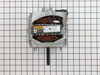
Washer motor start windings burned up
The motor was easy to replace: unplug the wiring harness, slip off the belts, release the tension springs from the motor carriage with needle-nose pliers, and then unbolt the motor carriage with socket set and remove from the washer. Remove the pulley from the old motor with allen wrench and transfer the carriage to the new motor. Reverse operation for everything and you are back in business. The hardest part was the far back screw holding the carriage, a wobble extension helped.
Parts Used:
-
Eric from Seabeck, WA
-
Difficulty Level:Really Easy
-
Total Repair Time:15 - 30 mins
-
Tools:Pliers, Screw drivers, Socket set
37 of 48 people
found this instruction helpful.
Was this instruction helpful to you?
Thank you for voting!
washer was leaking onto the floor
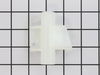
First I disconnected the power and turned off the water supply. Then removed the front panel of the washer by removing the two phillips head screws from the lower left and right front of the machine. I then removed the four hex screws at the corners of the top of the machine using a socket set. The two screws in the front of the top come out through the inside and the two screws in the back come out through the access holes in the top. Next I disconnected the bleach/softener tube from the upper end to allow the lid to be raised. Then I swung the right hand side of the lid up fully and rested it on the left hand side support using the braces provided on the lid and resting the weight on the attached support string. The injector valve, inector nozzle and injector bracket are right on top on the left hand side. The bracket is taken out by removing one hex screw on the underside of the bracket. The valve and nozzle are removed by loosening the hex screw on the hose clamp, To replace, first assemble the rubber sleeve and plastic injector. The large end of the plastic injector should fit squarely into the slot of the rubber sleeve. To insert this assembly back into the molded end of the injector hose I used a small amout of laundry detergent to lubricate the large end of the rubber sleeve. This allowed the part to slide in without displacing the rubber sleeve from the plastic injector nozzle. Now, I replaced the associated parts (lid and front panel) and turned the water on and plugged the washer back in. No more leak. Thanks to PartSelect.com my repair was easy. I did not need to replace the injector sleeve bracket but purchased the new one in case I broke the old one during the repair.
Parts Used:
-
Richard from Ashley Falls, MA
-
Difficulty Level:Easy
-
Total Repair Time:15 - 30 mins
-
Tools:Screw drivers, Socket set
32 of 36 people
found this instruction helpful.
Was this instruction helpful to you?
Thank you for voting!