













JMS074J2 General Electric Range - Instructions
Keep searches simple. Use keywords, e.g. "leaking", "pump", "broken" or "fit".
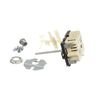
Electric Burner Control Broken
New one a little different ,but it was marked for wiring!
Had to install upside down because wires would not reach right side up!
Had to pull back side of knob out and turn 180 degrees and glue in knob, so knob would be right side up!
Works fine! Now all burners work again!
Had to install upside down because wires would not reach right side up!
Had to pull back side of knob out and turn 180 degrees and glue in knob, so knob would be right side up!
Works fine! Now all burners work again!
Parts Used:
-
Robert from VINELAND, NJ
-
Difficulty Level:A Bit Difficult
-
Total Repair Time:30 - 60 mins
4 of 5 people
found this instruction helpful.
Was this instruction helpful to you?
Thank you for voting!
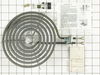
Plasticware melted onto burner
I removed the screw holding the tilt mechanism to the range top. Removed the clips holding the block together. Disconnected the two power leads on the old burner and replaced with the new burner. Closed the block around the leads. Screwed the tilt mechanism back to the range top and that was it!
Parts Used:
-
Charles from New Orleans, LA
-
Difficulty Level:Really Easy
-
Total Repair Time:Less than 15 mins
-
Tools:Screw drivers, Wrench (Adjustable)
4 of 6 people
found this instruction helpful.
Was this instruction helpful to you?
Thank you for voting!
Bad switch plus a disintegrating element
Moved into a house built in 1976 about 7 years ago that came with an old but nice looking GE electric stove.
Stove worked well until about a year ago when the switch for the 8" element became erratic. Having been raised where DIYS was SOP I didn't even consider calling for help instead, armed with the stove model number, I went to the internet (How on earth did I ever survive before internet?) and found this site where I quickly found the exploded view of my stove, IDed the switch, ordered and received it within a day or so. Fantastic turn around time!
Now I've never ever worked on an electric stove so I was quite methodical in my approach.
First I read the instructions (you know, when all else fails…) that came with the new switch, then I pulled the stove out, unplugged it and removed the tin back that covers the switches. I drew a diagram of the old switch orientation and which wires attached to what. Then I disconnected the wires, removed the knob and the two screws hiding behind it that hold the switch to the stove.
Oops, the new switch was not identical to the old!!
First: I noticed was that the stem for the knob was longer BUT they proved break off notches so that it can be shortened.
Second: the stem on the old switch was a half round while the new stem was square. I tried the 'half round' knob on the square stem and it went on firmly. Nothing ventured nothing gained.
Third: the terminal orientation did not match. So armed with my diagram and the instructions I made sure I knew which terminal was which (they are labeled). Once assured I knew what went where (I made notes) I installed the new switch and attached the wires (following my notes).
Being an optimist I reinstalled the tin back, plugged the stove in and pushed it back into position before (with my legs, arms and fingers crossed) I tested the switch (which was not easy considering the position I was in). Lo and behold, no puff of smoke and…ta-da…everything worked as it should.
All in all, upon receiving the switch the whole thing took less than 30 minutes.
Recent.
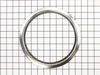
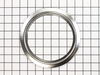
Less than two weeks ago one of the 6" elements fell apart, still worked but lost the supports that rest on the trim ring. Back to the internet to ordered a new element and new trim rings (just for the cosmetics). Again great service, I think I received my order the second day.
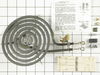
Along with the element they also supply new screws plus the spring clips which hold the ceramic insulator together. There's only two wires to contend with so its easy to determine which is the left wire and which is the right. The old terminal screws were locked in pretty good so I used pliers to hold the terminal while loosening them. There's very little slack in the wires so it was a tad awkward reattaching them to the new element.
I did notice that the threaded hole on the new element seemed to be slightly larger than the old. I noticed this when I used the old screws, one would tighten, the other did not so I replaced with the screws they supplied (Duh!). Well I do have an excuse, the new screws were longer which I feared would prevent the insulator from 'closing'.
I probably spent the most time attaching the insulator. I found I needed to fiddle with position of the terminals before the two halves of the insulator would meet. I splayed the wires out slightly then cocked the wire ends slightly so that the wires would neatly leave the side of the insulator. I also adjusted the terminals and the bendable wire part on the element so that they were parallel to each other.
ANYBODY can do this
Stove worked well until about a year ago when the switch for the 8" element became erratic. Having been raised where DIYS was SOP I didn't even consider calling for help instead, armed with the stove model number, I went to the internet (How on earth did I ever survive before internet?) and found this site where I quickly found the exploded view of my stove, IDed the switch, ordered and received it within a day or so. Fantastic turn around time!
Now I've never ever worked on an electric stove so I was quite methodical in my approach.
First I read the instructions (you know, when all else fails…) that came with the new switch, then I pulled the stove out, unplugged it and removed the tin back that covers the switches. I drew a diagram of the old switch orientation and which wires attached to what. Then I disconnected the wires, removed the knob and the two screws hiding behind it that hold the switch to the stove.
Oops, the new switch was not identical to the old!!
First: I noticed was that the stem for the knob was longer BUT they proved break off notches so that it can be shortened.
Second: the stem on the old switch was a half round while the new stem was square. I tried the 'half round' knob on the square stem and it went on firmly. Nothing ventured nothing gained.
Third: the terminal orientation did not match. So armed with my diagram and the instructions I made sure I knew which terminal was which (they are labeled). Once assured I knew what went where (I made notes) I installed the new switch and attached the wires (following my notes).
Being an optimist I reinstalled the tin back, plugged the stove in and pushed it back into position before (with my legs, arms and fingers crossed) I tested the switch (which was not easy considering the position I was in). Lo and behold, no puff of smoke and…ta-da…everything worked as it should.
All in all, upon receiving the switch the whole thing took less than 30 minutes.
Recent.
Less than two weeks ago one of the 6" elements fell apart, still worked but lost the supports that rest on the trim ring. Back to the internet to ordered a new element and new trim rings (just for the cosmetics). Again great service, I think I received my order the second day.
Along with the element they also supply new screws plus the spring clips which hold the ceramic insulator together. There's only two wires to contend with so its easy to determine which is the left wire and which is the right. The old terminal screws were locked in pretty good so I used pliers to hold the terminal while loosening them. There's very little slack in the wires so it was a tad awkward reattaching them to the new element.
I did notice that the threaded hole on the new element seemed to be slightly larger than the old. I noticed this when I used the old screws, one would tighten, the other did not so I replaced with the screws they supplied (Duh!). Well I do have an excuse, the new screws were longer which I feared would prevent the insulator from 'closing'.
I probably spent the most time attaching the insulator. I found I needed to fiddle with position of the terminals before the two halves of the insulator would meet. I splayed the wires out slightly then cocked the wire ends slightly so that the wires would neatly leave the side of the insulator. I also adjusted the terminals and the bendable wire part on the element so that they were parallel to each other.
ANYBODY can do this
Parts Used:
-
John from Merriam Woods, MO
-
Difficulty Level:Really Easy
-
Total Repair Time:15 - 30 mins
-
Tools:Nutdriver, Pliers, Screw drivers, Socket set
4 of 6 people
found this instruction helpful.
Was this instruction helpful to you?
Thank you for voting!
Oven/ No Heat
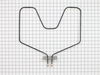
Partselect made this job a breeze. Due to the user friendly process to order and receive the part. I repaired the stove after turning off the breaker in the main box. There were two screws that held the baking unit in place, removed them and then replaced with new unit.
Parts Used:
-
A K from LITHIA SPRINGS, GA
-
Difficulty Level:Really Easy
-
Total Repair Time:Less than 15 mins
-
Tools:Nutdriver, Screw drivers
3 of 3 people
found this instruction helpful.
Was this instruction helpful to you?
Thank you for voting!
burner would not lay flat against surface of range.
Removed two clips that held the ceramic insulators in place. Removed two screws that held conductors to the burner. Replaced screws onto new burner unit, replaced ceramic insulators. Fastened clip to burner onto the range. Turned burner on and it worked great. Thank you for your quick responce to my order.
Parts Used:
-
John from Westbrook, ME
-
Difficulty Level:Really Easy
-
Total Repair Time:Less than 15 mins
-
Tools:Nutdriver, Screw drivers
3 of 4 people
found this instruction helpful.
Was this instruction helpful to you?
Thank you for voting!
Bad Burner
Removed trim ring and drip pan, loosened retaining nut and replaced the burner. I was very impressed at the fast service from your company. Thank You
Parts Used:
-
Donald from Farmington, MO
-
Difficulty Level:Really Easy
-
Total Repair Time:Less than 15 mins
-
Tools:Nutdriver
3 of 4 people
found this instruction helpful.
Was this instruction helpful to you?
Thank you for voting!
Bake element did not work
Got new part! Unplug range!!!
Remove oven door by opening and lifting up at the same time, set aside.
Remove two screws with a nutdriver or screwdriver.
Pull on element far enough to unhook wires and throw away old element and install the wires on the new element and reinstall!!
Remove oven door by opening and lifting up at the same time, set aside.
Remove two screws with a nutdriver or screwdriver.
Pull on element far enough to unhook wires and throw away old element and install the wires on the new element and reinstall!!
Parts Used:
-
Kenny from CALDWELL, ID
-
Difficulty Level:Really Easy
-
Total Repair Time:Less than 15 mins
-
Tools:Nutdriver, Screw drivers
3 of 4 people
found this instruction helpful.
Was this instruction helpful to you?
Thank you for voting!
Burner won't heat
Replaced the burner. Still no heat. Decided to take the front off and test the connections (Power Off!). Found no output from switch to burner. Ordered new switch from PartSelect. Switch arrived in 24 hours, just like the burner (I'm in FL, but still fast!) My only problem was that the know didn't quite fit -- too long. Cut the metal correctly, but still too long. Had to cut the plastic adapter slightly. Now it fits like the others, but it's not quite as secure due to shortening the piece that slides on the metal shaft.
Parts Used:
-
George from Sarasota, FL
-
Difficulty Level:Easy
-
Total Repair Time:1- 2 hours
-
Tools:Pliers, Screw drivers, Wrench set
4 of 8 people
found this instruction helpful.
Was this instruction helpful to you?
Thank you for voting!
Bake element began to spark and short out when I tried to use it.
When the part arrived, I used the diagram provided by the website to see what really needed to be done. Keep in mind, if you're doing it correctly and disconnect the range from the power source, it's going to be dark inside the oven. Get a good flashlight or electric lantern. There are two screws holding the element in. Mine were 8MM hex-head screws, but be prepared for anything. I removed the with a socket attachment/adapter to my cordless drill/screwdriver, and the part came right out. Some insulation will come as well - don't panic. Installation is similar, just in reverse order. Pay attention to the feet on the element. Make certain they are down. Don't lean on them when you think you're finished and discover that you installed it upside down like someone I know, and have to pull it out to correct this.
Parts Used:
-
Bill from MANHATTAN, KS
-
Difficulty Level:Really Easy
-
Total Repair Time:1- 2 hours
-
Tools:Screw drivers
2 of 2 people
found this instruction helpful.
Was this instruction helpful to you?
Thank you for voting!
Burner wouldn't operate
Took Switch panel off range. Disconnected Infinite switch. Reinstalled infinite switch.. Replaced panel. Repair was very simple and self explainatory.
Knott County Housing Authority Maintenance Personnel
Knott County Housing Authority Maintenance Personnel
Parts Used:
-
Linda from Hindman, KY
-
Difficulty Level:Really Easy
-
Total Repair Time:15 - 30 mins
-
Tools:Nutdriver, Screw drivers
3 of 5 people
found this instruction helpful.
Was this instruction helpful to you?
Thank you for voting!
Replace door gasket on very old wall oven
Repair went a lot faster and easier than I anticipated. Instructions are similar to those posted by others.
1. Verify that new gasket looks mostly like old gasket as best you can since not all of old gasket is visible.
2. Shut off circuit to oven (optional, but good practice)
3. Remove racks, trays, etc from oven to reduce weight at Step 7
4. Remove oven door by partially opening door to broiler position (about 20 degrees). Door should catch and stay open on its own. Slide up and lift off door. The “hinges” are spring loaded so carefully return them to closed position so they won’t snap shut on fingers.
5. Remove Phillips screws, one on each side wall of oven liner.
6. Remove two hex screws and metal gasket-holder on top center of oven liner.
7. Pull and slide oven liner out of oven mainframe about 1/4 “ to 3/8”. This may be the most difficult part of the job.
8. If possible to remove just a couple of inches of one bottom of old gasket (right side is easiest), verify that the cross-section profile of both old and new gaskets are essentially the same. If not, you have the wrong gasket.
9. Pull and remove old gasket. If gasket is dry and cracking, it may be necessary to scrape it out with putty knife, flat-blade screwdriver, etc. if it has fused to metal over the years. Note how it was installed on the metal edge of the oven liner.
10. Locate the mid-point on the new gasket length and begin inserting it at the top-center of the oven liner where you removed the two hex screws. Continue installing along both left and right sides of the liner. Each end of the gasket should extend to just above the respective hinge. No trimming should be necessary. Ensure a snug fit all along each side and top.
11. Push liner back into oven mainframe. Replace Phillips screws, gasket-holder, and hex screws.
11. Pull out each hinge to broiler position.
12. Replace door by sliding down onto hinges. Close door and check for tight fit against gaskets. Gaskets will flatten somewhat over time
13. Restore power, racks, trays, etc.
1. Verify that new gasket looks mostly like old gasket as best you can since not all of old gasket is visible.
2. Shut off circuit to oven (optional, but good practice)
3. Remove racks, trays, etc from oven to reduce weight at Step 7
4. Remove oven door by partially opening door to broiler position (about 20 degrees). Door should catch and stay open on its own. Slide up and lift off door. The “hinges” are spring loaded so carefully return them to closed position so they won’t snap shut on fingers.
5. Remove Phillips screws, one on each side wall of oven liner.
6. Remove two hex screws and metal gasket-holder on top center of oven liner.
7. Pull and slide oven liner out of oven mainframe about 1/4 “ to 3/8”. This may be the most difficult part of the job.
8. If possible to remove just a couple of inches of one bottom of old gasket (right side is easiest), verify that the cross-section profile of both old and new gaskets are essentially the same. If not, you have the wrong gasket.
9. Pull and remove old gasket. If gasket is dry and cracking, it may be necessary to scrape it out with putty knife, flat-blade screwdriver, etc. if it has fused to metal over the years. Note how it was installed on the metal edge of the oven liner.
10. Locate the mid-point on the new gasket length and begin inserting it at the top-center of the oven liner where you removed the two hex screws. Continue installing along both left and right sides of the liner. Each end of the gasket should extend to just above the respective hinge. No trimming should be necessary. Ensure a snug fit all along each side and top.
11. Push liner back into oven mainframe. Replace Phillips screws, gasket-holder, and hex screws.
11. Pull out each hinge to broiler position.
12. Replace door by sliding down onto hinges. Close door and check for tight fit against gaskets. Gaskets will flatten somewhat over time
13. Restore power, racks, trays, etc.
Parts Used:

-
r from SUNNYVALE, CA
-
Difficulty Level:Easy
-
Total Repair Time:15 - 30 mins
-
Tools:Nutdriver, Screw drivers
2 of 2 people
found this instruction helpful.
Was this instruction helpful to you?
Thank you for voting!
Up to 1 hour for oven to preheat
Removed 2 nuts holding the baking unit to the oven back, removed 2 nuts holding wires in place, installed new unit following procedure backwards. It takes longer to get the tools,take the oven door off, and take racks out than it does to remove and replace the baking unit.
Parts Used:
-
Joel from Avon, OH
-
Difficulty Level:Really Easy
-
Total Repair Time:15 - 30 mins
-
Tools:Screw drivers, Socket set
2 of 2 people
found this instruction helpful.
Was this instruction helpful to you?
Thank you for voting!
element burned out
Took off the door, took out the two screws in the back of the element. Then pulled the element forward, then removed the two wires. Then put it all back together with the new element.
Parts Used:
-
Jeff from Westport, IN
-
Difficulty Level:Really Easy
-
Total Repair Time:Less than 15 mins
-
Tools:Nutdriver, Screw drivers
2 of 3 people
found this instruction helpful.
Was this instruction helpful to you?
Thank you for voting!
Replacement of broken element
Read and follow the instructions. Be careful when stripping old wires to attach to new element. Fit the element to ceramic casing prior to attaching wires. If new element does not seem level after replacement heat a large pot of water. The element will expand and the weight of the pan of water will settle the element. "Physics 101"
Parts Used:
-
Thomas from Boulder Creek, CA
-
Difficulty Level:Easy
-
Total Repair Time:30 - 60 mins
-
Tools:Pliers, Screw drivers, Socket set
2 of 3 people
found this instruction helpful.
Was this instruction helpful to you?
Thank you for voting!
Oven Heating element broken
Turned off power to the oven at the circuit breaker. Pulled the old heating element from the back lower wall of the oven. Noted the position of the wires (right terminal attached to the red wire, left to the black wire). Removed small bolts holding the element to the wires using pliers. Attached the new element using screw driver. New element came with screws, not bolts. Pushed the element back into place and restored power. Tested to make sure everything worked. Everything works and I ran an oven cleaning cycle. Noticed that indicator light above the temperature selctor is always on now even when oven is in the OFF position. Not sure if that's related to the change or to the oven cleaning cycle I ran. In any case, oven seems to work normally.
Parts Used:
-
James from Hanover, MA
-
Difficulty Level:Really Easy
-
Total Repair Time:Less than 15 mins
-
Tools:Pliers, Screw drivers
2 of 3 people
found this instruction helpful.
Was this instruction helpful to you?
Thank you for voting!