













GDG19CD Maytag Dryer - Instructions
Keep searches simple. Use keywords, e.g. "leaking", "pump", "broken" or "fit".
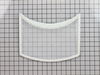
dryer filter screen broken
I didn't think it would fit as it looked bigger then the old one, I called the service department and they were very helpful. They made note of the fact that I had called with questions in case I had to call again, but it worked, and no one laughed at me. It was very nice of them. Thank you for all the help
Parts Used:
-
suzanne from Ottawa, IL
-
Difficulty Level:Really Easy
-
Total Repair Time:Less than 15 mins
3 of 4 people
found this instruction helpful.
Was this instruction helpful to you?
Thank you for voting!
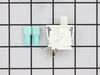
Button to start dryer
Per instructions I printed off online: took off door, then the front panel. Pulled out the old switch/button, connected the new switch/button, made sure the new button was working; put the panel back on then the door and DONE!
Parts Used:
-
Loretta E. from Miamisburg, OH
-
Difficulty Level:Easy
-
Total Repair Time:Less than 15 mins
-
Tools:Screw drivers
4 of 7 people
found this instruction helpful.
Was this instruction helpful to you?
Thank you for voting!
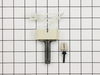
Dryer not heating....Had to be igniter or solonoid
Upon receipt of part, just loosened 1 fastener, slid igniter forward and out....unclipped wire connection and replaced... Could not have been easier. Be careful not to overtighten fastener when replacing. Description and pictures made for very easy selection.
Parts Used:
-
Jeffrey from Glenshaw, PA
-
Difficulty Level:Really Easy
-
Total Repair Time:15 - 30 mins
-
Tools:Wrench (Adjustable)
3 of 4 people
found this instruction helpful.
Was this instruction helpful to you?
Thank you for voting!
Not enough heating to dry clothes.
My Maytag gas dryer model MDG7600AWW is about 12 years old. Everything else works fine except it takes 4-5 drying cycles instead of 1 to completely dry my clothes properly. The flat igniter was simply cracked but not broken so it only worked some times. My gas dryer igniter and the 2 ignition coils work hand in hand so I replaced all 3 parts. The ignition coils provide a solid and consistent power supply to the igniter for proper burner tube function. Disconnect power cord from wall outlet. Shut off gas supply by turning the wall gas valve off. Remove 2 small philips screws to detach front panel door from dryer frame. Remove 2 additional philips screws on left front side panel inner door frame. Gently pull front dryer panel off beginning at top and put it aside. Igniter and the 2 ignition coils are plainly visible and easily accessible at bottom right corner of dryer. Igniter is attached to the burner tube and facing into the heater housing assembly. The 2 ignition coils are attached just above the gas valve on the rear of the burner tube. The ignition coils are simply attached to the rear of the heater tube with one bracket using 2 small philips screws. First, disconnect igniter plug wire harness. Next, I recommend using a small open end applicable size wrench (5/16 perhaps) to remove attaching igniter screw. A small 1/4 ratchet with applicable socket size may also be used. Handle the igniter only from the white ceramic part when installing. You don't have to completely remove the igniter screw from the burner tube. The igniter has a white ceramic horse shoe shape slot in which the attaching screw goes through for tightening to the burner tube. Just unscrew generously for removal and replacement of the igniter. Do NOT over tighten igniter screw as the white ceramic plate may break from over torqing. Reconnect igniter wire plug harness. The igniter part I used was PartSelect Number PS373025. Next, remove the ignition coil bracket by unscrewing the 2 small philips screws from rear of the heater tube frame. Remove only 1 ignition coil at a time by removing the wire plug harness and simply lifting upward. One coil will have 2 prongs while the other has 3 prongs so you can't go wrong when reconnecting the wire plug harnesses. I used the PartSelect 'M' Series New Style Coil Kit (2 coils included)which was PartSelect Number PS334310. Replace the front dryer panel back. Attach the front door to the panel and dryer frame using the 2 philips screws. Attach the 2 left side inner door front panel philips screws to dryer frame. Turn on the wall gas valve. Reconnect power cord to wall outlet.
Parts Used:
-
Horacio from Houston, TX
-
Difficulty Level:Really Easy
-
Total Repair Time:15 - 30 mins
-
Tools:Screw drivers, Socket set, Wrench set
3 of 4 people
found this instruction helpful.
Was this instruction helpful to you?
Thank you for voting!
NO HEAT
I watched your YouTube video. Access to the interior of the dryer and replacing parts was EASY. Unlike the machines in the videos ACCESS is VERY EASY as only one panel needs to be removed. Access is from the FRONT PANEL and secured by two top clips and two front bottom screws. Just unscrew and swing the bottom up at about a 45 degree angle; the panel comes off and can be placed to the side. I first replaced a thermostat and a coil kit but still no heat. I then ordered a new FLAT STYLE IGNITER ( which I discovered was broken off ) and a RADIANT FLAME SENSOR and these parts FIXED THE PROBLEM. Parts cost about $90 (Dec. 2016) including shipping.
Parts Used:
-
James from BREA, CA
-
Difficulty Level:Very Easy
-
Total Repair Time:30 - 60 mins
-
Tools:Screw drivers, Socket set
2 of 2 people
found this instruction helpful.
Was this instruction helpful to you?
Thank you for voting!
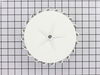
Rumbly noise
I removed the front panel (two screws at bottom, then lifted bottom toward me until the top holders slid out). Then I unscrewed the front assembly that holds the dryer drum (four screws), first propping the drum from below so it would stay in place. I removed the blower housing (seven screws) and could see that the blower wheel was loose on the spindle. The 'D' shaped fitting had rounded out. A pair of snap ring pliers made removing the retaining ring and the wheel clamp a cinch and saved a good deal of teeth gnashing. I slid on the new blower wheel and then did everything in reverse. One caution: be sure the drum is pushed firmly up and back when reattaching the front assembly. (It can be done successfully with two hands). I had to re-do this part of the reassembly because the bottom of the drum was rubbing against the blower assembly. Once that was corrected, the dryer ran noiselessly. Thank goodness for PartSelect's diagrams. They're invaluable.
Parts Used:
-
Tima from Pomfret Center, CT
-
Difficulty Level:Easy
-
Total Repair Time:30 - 60 mins
-
Tools:Screw drivers, Socket set
2 of 2 people
found this instruction helpful.
Was this instruction helpful to you?
Thank you for voting!
Dryer was noisy and stalling. Taking twice as long to dry clothes and using more electricity
I had my oldest son who was home from college help me. We removed the front face of the dryer and put the unit on it's back. We removed the door switch and the blower unit. I didn't get a good look at how the belt was routed when we removed the drum but was able to figure it out when we put it back together. Not only was the belt frayed and dry rotted, the blower squirrel cage was free-wheeling on the shaft. I found a tab of metal I was able to insert in the flat of the shaft between the cage bushing and the shaft and I put the squeeze ring and snap ring back in place. We also discovered the source of much of the rattling noise we had grown accustomed to was actually change pieces trapped under the drum ribs. We removed them and put the ribs back in place and we installed the new belt and figured out how the belt routed around the shaft and tensioning pulley. We cleaned all the trapped lint out of the dryer and reassembled the unit. It now works like new. Thanks!
Parts Used:
-
RIchard from New Era, MI
-
Difficulty Level:A Bit Difficult
-
Total Repair Time:30 - 60 mins
-
Tools:Nutdriver, Pliers, Screw drivers, Socket set
2 of 2 people
found this instruction helpful.
Was this instruction helpful to you?
Thank you for voting!
Dryer rattled in operation
Unplug the dryer. Remove two screws to remove the front drum housing. Remove 4 screws to remove the front drum housing. The front panel and front drum housing do not need to be unwired to work on the blower. Loosen wire harnesses and move panel and housing out of the way. Remove 2 spring clips holding the blower assembly to the motor shaft. Remove blower. Install new blower and re-assemble in the reverse order. The other stories written on the subject were spot on. This repair also made the clothes dry more quickly. I did not realize that long before the ryer made noise, there was a reduction in air flow. A simple vacuum switch to monitor air flow would tell you when there is a problem or that the filter/duct needs to be cleaned.
Parts Used:
-
Robert from Mentor, OH
-
Difficulty Level:Easy
-
Total Repair Time:30 - 60 mins
-
Tools:Nutdriver, Pliers, Screw drivers
2 of 2 people
found this instruction helpful.
Was this instruction helpful to you?
Thank you for voting!
Dryer was sweaking and rumbling. Found tub support roller and shaft had failed bushing.
My wife had to help me due to a recent back surgery that I had.
1. Disconnet power. Then if you have room, slide dryer away from wall far enough to tilt it slightly back. We had to do this to remove the two lower front panle philips head scres due to my screwdriver length. If you have a stubby, then you don't need to do this. Remove by pulling out on bottom until the two clips at top disengage from dryer top panel.
2. We removed the four 1/4" head sheet metal screws that hold the front tub support panel (with lint screen). Be carefull of wiring. One moisture sensor wire has to be removed from front cover on lower right side near bottom of tub opening. The remaing wires on left side are long enough to leave them attached and "swing" front panel to your left and in my case, lay it back uprite against the washer front.
3. We slid the tub forward enough to lay old belt down so I could see how it was routed around drive. I wanted to verify paperwork that came with new belt. We then set entire tub out of dryer. You might want to take it to another room if you laundry room is cramped.
4. We removed the nut from back of each support roller shaft, I believe it was 3/8 hex. Then reveresed this procedure to install the new roller and shaft. It was easier to assembly rollers before installing as a unit.
5. I removed the old belt and confirmed its length to new belt. I then installed the new belt over drive sheave and tensioner.
6. We then installed the tub and worked belt around it while keeping it on the drive sheave and tensioner pulley. Had to kind of stick my head into tub to start belt unto it.
7. We checked tub front and rear felt seals and I would recomment\d changing these if your dryer is older than 10 years, we did not have then so kept old ones.
8. We replaced the front tub support and installed the four sheet metal screws.
9. We replaced the front cover and installed the two lower philips head screws.
10. Re-connected power and tested operation.
1. Disconnet power. Then if you have room, slide dryer away from wall far enough to tilt it slightly back. We had to do this to remove the two lower front panle philips head scres due to my screwdriver length. If you have a stubby, then you don't need to do this. Remove by pulling out on bottom until the two clips at top disengage from dryer top panel.
2. We removed the four 1/4" head sheet metal screws that hold the front tub support panel (with lint screen). Be carefull of wiring. One moisture sensor wire has to be removed from front cover on lower right side near bottom of tub opening. The remaing wires on left side are long enough to leave them attached and "swing" front panel to your left and in my case, lay it back uprite against the washer front.
3. We slid the tub forward enough to lay old belt down so I could see how it was routed around drive. I wanted to verify paperwork that came with new belt. We then set entire tub out of dryer. You might want to take it to another room if you laundry room is cramped.
4. We removed the nut from back of each support roller shaft, I believe it was 3/8 hex. Then reveresed this procedure to install the new roller and shaft. It was easier to assembly rollers before installing as a unit.
5. I removed the old belt and confirmed its length to new belt. I then installed the new belt over drive sheave and tensioner.
6. We then installed the tub and worked belt around it while keeping it on the drive sheave and tensioner pulley. Had to kind of stick my head into tub to start belt unto it.
7. We checked tub front and rear felt seals and I would recomment\d changing these if your dryer is older than 10 years, we did not have then so kept old ones.
8. We replaced the front tub support and installed the four sheet metal screws.
9. We replaced the front cover and installed the two lower philips head screws.
10. Re-connected power and tested operation.
Parts Used:


-
Glenn from Lewisport, KY
-
Difficulty Level:A Bit Difficult
-
Total Repair Time:30 - 60 mins
-
Tools:Nutdriver, Screw drivers
2 of 2 people
found this instruction helpful.
Was this instruction helpful to you?
Thank you for voting!
Belt broke...drum would not turn but there was heat.
Removed front cover.removed 4 screws holding drum in place. Cleaned out lint from everywhere. Placed new belt over drum looping it over idler arm & motor pulley. Pushed drum back ; rotated drum to see that belt was engaged. Put front drum bracket in place. Put front panel in place with 2 screws at the bottom. Tested motor & rotation of drum; then checked heat. All worked fine. Took 1 hr. but most time spent cleaning lint.
Parts Used:
-
Dirk from CHESWICK, PA
-
Difficulty Level:Really Easy
-
Total Repair Time:30 - 60 mins
-
Tools:Nutdriver
2 of 2 people
found this instruction helpful.
Was this instruction helpful to you?
Thank you for voting!
Loud squeaking noise
I removed the front of the dryer and the drum support plate. I drilled out the old rivets and installed the Glides with the enclose rivets. The Glides came loose in a few days! The holes in the glides are larger than in the old Glides. I disassembled the dryer again and reassembled with my rivets. This time I held the rivet gun inside the perimeter of the dryer so that the head of the rivet is opposite the initial installation. So far, so good, except the dryer still squeaks. The idler pulley is now the culprit. White grease burned up. I reassembled with high temperature grease. If that does not work, I will need another idler pulley. The journal looks very worn. the dryer is 30+ years old.
Parts Used:
-
William from ORANGE, CA
-
Difficulty Level:Really Easy
-
Total Repair Time:30 - 60 mins
-
Tools:Socket set
2 of 2 people
found this instruction helpful.
Was this instruction helpful to you?
Thank you for voting!
Dryer Barrel was not turning
Looked in one of the back removable panels and saw the broken belt. Took the machines front panel off per a You Tube video and saw the repair was simple but too the time to vacuum out a large amount of Lint Debris that had accumulated over the past 34 years all over the inside of the machine which is dangerous.. After cleaning it all up I simply put the new belt on and put everything back together and it all works nicely again!
Parts Used:
-
Frank from HAWTHORNE, NJ
-
Difficulty Level:Easy
-
Total Repair Time:1- 2 hours
-
Tools:Nutdriver, Screw drivers, Socket set
2 of 2 people
found this instruction helpful.
Was this instruction helpful to you?
Thank you for voting!
Part access but easy solution!
Overall, the repair was pretty easy. I'm a 52 year old woman who has never done drier repair. I replaced both front glides, both drum support roller wheels, the idler pulley wheel and the tumbler and motor belt. Including vacuuming out the inside of dryer and washing down the inside and outside of dryer with cleaning wipes, the whole project took me 2 hours. (if done individually, time would have been 20-30 minutes). You must have correct tools, so I did have to purchase two tools that I didn't have. My only suggestion in replacing the idler pulley wheel and the tumbler/motor belt would be to take the small access panel off the back of the dryer for easier access to the parts.
Parts Used:
-
Amy from POCATELLO, ID
-
Difficulty Level:Easy
-
Total Repair Time:1- 2 hours
-
Tools:Screw drivers, Socket set
2 of 2 people
found this instruction helpful.
Was this instruction helpful to you?
Thank you for voting!
Broken belt
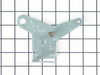
There were two screws to remove the front of the dryer. Then 4 screws to remove the front drum support. Remove the drum. Then one nut each on changing the back drum support rollers. Assemble the drum and front support in reverse, and door front, don't forget to put the new drive belt ovre the drum. Then from the rear panel opening, one screw to change the idler assembly. Easy
Parts Used:
-
Stephen from Crawfordsville, IN
-
Difficulty Level:Easy
-
Total Repair Time:1- 2 hours
-
Tools:Nutdriver, Screw drivers
3 of 5 people
found this instruction helpful.
Was this instruction helpful to you?
Thank you for voting!
Motor Bearings Were Bad Causing A High Pitch Squeak / Squealing Noise When Dryer Was Running
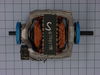
First, it is IMPERATIVE that the dryer is unplugged from the wall or the appropriate breaker is turned off to prevent electrocution!!! The front of the dryer is removed by removing the two screws at the bottom of the front with a Phillips head screwdriver. Next, remove the door wiring from the wiring clamp and set front / door of dryer to the side. Next, remove the bulk head by removing four nuts from the sides with the appropriate nutdriver. The drum belt will have to be disconnected from the motor pulley by lifting the spring of the pulley to release belt tension. This can be done from the front or back access panel of the dryer. The back access panel gives you a better view of the motor pulley and attached belt. After removal of the belt from the motor pulley, the drum of the dryer can be removed. Next, remove the heat shield at the front of the dryer. It is held on with two nuts and can be removed using the appropriate nut driver. Next, remove the blower wheel housing cover using the appropriate nut driver. The blower wheel will be next. It can be removed by using a pair of pliers to remove the circular clamp. A pair of snap-ring pliers will also be need to remove the snap-ring also holding the wheel in place on the motor axle. After the blower wheel is removed from its housing, the housing will need to be removed. The housing is again held in place by several nuts and the appropriate nut driver will be needed to remove them. Next, take all wiring loose from the motor. It would be a good idea to photograph or note how and what wires were attached in specific locations on the wiring harness. The new motor may be different when it comes to wiring and will be accompanied by a wiring diagram and the needed connection ends for the wiring. If it is a different wiring layout, as was my motor that I ordered from this site, a set of wiring strippers / pliers will be needed to cut, strip, and crimp the new connectors. After wiring has been removed from the motor, remove the motor by removing two nuts with the appropriate nut driver from the bottom of the motor mount. The motor, mount, and pulley will then all come out as one piece. The motor will then need to be removed from the mount. This can be accomplished by using a flat head screwdriver and a hammer. Place the flat end of the screwdriver into the raised edge of the motor mount clamp and pull away from the locking bracket. If needed, use a hammer to give that extra tap to the end of the screwdriver to remove the clamps. After the motor is removed from the mount, an Allen wrench will need to be utilized to take the belt glide / seat off of the motor axle. You will also need the snap-ring pliers again to remove a snap ring from this axle as well. Clean the motor mount and dry thoroughly. Grease the pulley housing where it contacts the motor mount for smooth gliding against the mount. It is important that you use a NON-FLAMMABLE grease. This is the end of the "tear-down" phase. Now is a good time to vaccum and clean the inside of the dryer cabinet. This will help insure that excess lint and fuzz is removed to prevent an accidental dyer fire. Next, place the new motor back into the motor mount in reverse order. Make sure the belt glide / seat from the motor axle aligns with the belt marks on the pulley. Reassemble the dryer in reverse order, making sure to follow the wiring diagram provided with your new motor. Also you need to insure that the motor is turned at a 45 degree angle to allow the dryer drum to pass the motor without striking it. After reassembly, plug in the dryer and attempt to start. If your dryer does not start, troubleshoot the wiring first. Wiring was the most difficult part of this repair and working in the tight space provided was a trick. Also look up a video of the repair! This helped me tremendously. Videos can be found on this site or at YouTube.com.
Parts Used:
-
Cody from BENTON, TN
-
Difficulty Level:A Bit Difficult
-
Total Repair Time:1- 2 hours
-
Tools:Nutdriver, Pliers, Screw drivers, Socket set, Wrench set
2 of 2 people
found this instruction helpful.
Was this instruction helpful to you?
Thank you for voting!