













MAT15MNAWW0 Maytag Washer - Instructions
Keep searches simple. Use keywords, e.g. "leaking", "pump", "broken" or "fit".
Tub did not center and seal was hanging out of tub
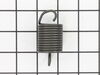
Laid washer on front side and removed top spring, then lifted the tub assembly to replace the right side spring, the one behind the motor was the hardest, I lifted the tub then removed the spring bracket at the tub with pliers and a socket. The top seal all I had to do was take the 4 screws that hold the top on (it takes a long extension) then sit it bak up and I lifted the top up to give me enough room to unsnap the top piece of the tub, cleaned it up put seal in. The parts fit perfitlt and real fast shipping, I bookmarked the site and will buy from again. JIM
Parts Used:

-
James from Nelsonville, OH
-
Difficulty Level:Easy
-
Total Repair Time:1- 2 hours
-
Tools:Pliers, Socket set
22 of 25 people
found this instruction helpful.
Was this instruction helpful to you?
Thank you for voting!
Slipping Spin clutch due to leaking gear-case seal.
1. Unplug the machine.
2. Turn the water off.
3. Disconnect the supply and discharge hoses.
4. Open the cover and remove the cap/cover of the agitator. Use socket wrench to remove the bolt securing the agitator. Pull up on the agitator and remove it.
5. Lay washing machine down on it's front. Remove the inlet and outlet drain hoses from the discharge pump.
6. Remove the 2 "faston" connectors from the motor start capacitor (looks like a D cell flashlight battery). Rock the connectors back and forth and pull gently until they come off. Polarity doesn't matter but to be safe make note of the positions.
7. Press the release clip on the motor connector and pull to disconnect it. Move the wiring harness out of harms way.
8. Remove the 3 bolt securing the motor and transmission assembly to the bottom of the tub. Pull the drive assembly out of the machine and place it on a suitable work surface.
9. Examine the tub brake assembly (still on the bottom of the tub), the clutch assembly (on the motor/transmission assembly you just removed and everything else for wear or damage. Now if you decide to proceed with repair continue with the following steps. If not you're done.
10. Remove the inverted cup washer from the agitator shaft of the assembly. Remove the "U" clip from the shaft and remove the clutch mechanism from the drive assembly. Make a sketch of the position of each of the removed components to aid in reassembly.
11. Now you can see the gear case cover and it's seal. If it is leaking (as mine was) you will need to replace it.
12. With the assembly level remove the bolts around the cover and remove the cover. Place the cover on a flat surface and with a screwdriver or punch drive the old seal out of the cover from the outside in.
13. Clean the seal area and check for damage. Clean the cover and transmission housing surfaces of old gasket material. There is a factory sealant available for reassembly but I chose an automotive RTF @ $4 vs $24 and it worked OK.
14. Installing the seal requires some tools and experience to done successfully. The right size sockets or piece of pipe, coupled with an arbor press or vise will get the seal in. The cover is delicate so if in doubt find a machine shop.
15. Support the outside of the cover on a hard surface and with a socket or short pipe length, PRESS (don't hammer) the new seal into the gear case cover.
16. Make sure there is lubricant in the gear case. Not overflowing but maybe 1/2 full when view with cover off on a level surface.
17. Apply some RTV sealant to trhe cover and install it. Tighten bolts evenly. Light torque (1-2 ft-lb).
18. Reassemble washing machine and test for leaks and proper operation.
2. Turn the water off.
3. Disconnect the supply and discharge hoses.
4. Open the cover and remove the cap/cover of the agitator. Use socket wrench to remove the bolt securing the agitator. Pull up on the agitator and remove it.
5. Lay washing machine down on it's front. Remove the inlet and outlet drain hoses from the discharge pump.
6. Remove the 2 "faston" connectors from the motor start capacitor (looks like a D cell flashlight battery). Rock the connectors back and forth and pull gently until they come off. Polarity doesn't matter but to be safe make note of the positions.
7. Press the release clip on the motor connector and pull to disconnect it. Move the wiring harness out of harms way.
8. Remove the 3 bolt securing the motor and transmission assembly to the bottom of the tub. Pull the drive assembly out of the machine and place it on a suitable work surface.
9. Examine the tub brake assembly (still on the bottom of the tub), the clutch assembly (on the motor/transmission assembly you just removed and everything else for wear or damage. Now if you decide to proceed with repair continue with the following steps. If not you're done.
10. Remove the inverted cup washer from the agitator shaft of the assembly. Remove the "U" clip from the shaft and remove the clutch mechanism from the drive assembly. Make a sketch of the position of each of the removed components to aid in reassembly.
11. Now you can see the gear case cover and it's seal. If it is leaking (as mine was) you will need to replace it.
12. With the assembly level remove the bolts around the cover and remove the cover. Place the cover on a flat surface and with a screwdriver or punch drive the old seal out of the cover from the outside in.
13. Clean the seal area and check for damage. Clean the cover and transmission housing surfaces of old gasket material. There is a factory sealant available for reassembly but I chose an automotive RTF @ $4 vs $24 and it worked OK.
14. Installing the seal requires some tools and experience to done successfully. The right size sockets or piece of pipe, coupled with an arbor press or vise will get the seal in. The cover is delicate so if in doubt find a machine shop.
15. Support the outside of the cover on a hard surface and with a socket or short pipe length, PRESS (don't hammer) the new seal into the gear case cover.
16. Make sure there is lubricant in the gear case. Not overflowing but maybe 1/2 full when view with cover off on a level surface.
17. Apply some RTV sealant to trhe cover and install it. Tighten bolts evenly. Light torque (1-2 ft-lb).
18. Reassemble washing machine and test for leaks and proper operation.
Parts Used:

-
Thomas from Pascoag, RI
-
Difficulty Level:A Bit Difficult
-
Total Repair Time:1- 2 hours
-
Tools:Pliers, Screw drivers, Socket set
21 of 23 people
found this instruction helpful.
Was this instruction helpful to you?
Thank you for voting!
tub off center, rubbing on outer tub in spin
turned the washer on it's back and shoved the tub to the side to release pressure on a spring ,pulled it loose and installed new one. this worked for the back two then turned washer on it;s face and repeted the process on the front spring.
Washer works great now.
Washer works great now.
Parts Used:
-
Charles from Rose Bud, AR
-
Difficulty Level:A Bit Difficult
-
Total Repair Time:1- 2 hours
-
Tools:Pliers
21 of 24 people
found this instruction helpful.
Was this instruction helpful to you?
Thank you for voting!
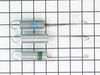
The support sprint had broke which left the basin unleveled so water would leak behind the basin and onto the floor
I replaced the broken support spring and the problem was fixed
Parts Used:
-
Michael from Newark, DE
-
Difficulty Level:Really Easy
-
Total Repair Time:Less than 15 mins
36 of 69 people
found this instruction helpful.
Was this instruction helpful to you?
Thank you for voting!
washer not agitating
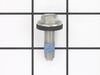
This was a learning experience but it appears to have worked out in the end. Our 3 1/2 year old washer was not agitating much and I attributed that to a loose bolt. I would tighten the bolt and it would work ok for a load or two and then stop agitating. I would find that the bolt was loose again. I took a number of steps to try to get the bolt to stay on tight - threadlock, a new bolt, more threadlock, and applying progressively more force on the bolt, with no better results. Yet the repair guys on you tube were saying the bolt only needs to be snug, not super tight - something was amiss. I even went so far as to secure the basket with a rope so I could use two hands on the socket wrench (please don't do this). But when I tried the washer again there was no agitation at all! I observed the agitation output in manual test mode and the bolt was turning in lock step with the shaft but the agitator wasn't turning at all. That's when I suspected that the problem was actually a worn lower agitator. Trouble was that now I couldn't seem to get the bolt off. Turning the wrench caused the shaft itself to rotate so I couldn't loosen the bolt from the shaft. I thought I broke the washer. Then I considered that maybe the shaft was rotating because the washer was in an agitation mode when I turned it off. I went back into manual test mode, made the washer spin, then turned it off. Fortunately, this worked. The shaft was again stationary and, albeit with great difficulty, I got the bolt off.
I removed the agitator, and as a pro would have figured out long before, the ridges inside the top of the lower agitator were almost completely worn down. I realized then that the contact between these ridges and the splines on the shaft is what is supposed to cause the lower agitator to move with the shaft. The purpose of the bolt is just to keep the agitator in the correct position and from coming off the shaft. I had been trying to compensate for the worn agitator ridges by over-tightening the bolt, creating some contact at the top of the shaft. This would work for a little while, then the agitator would start slipping, and the slipping agitator was acting just like a wrench loosening the bolt (until my stupid rope trick, that is.)
So I ordered a new agitator (only the lower agitator was bad, but the price of an entire agitator isn't a lot more than just the lower part and I was reading that the upper agitator parts will wear over time) and another new bolt (because my repeated attempts to over-tighten the first one I ordered had split the rubber gasket apart and worn the bolt head).
The new agitator fit snugly on the splines of the shaft so I sensed no need to use excessive force on the bolt. Just an easy one-handed snug tightening with the socket wrench, using the other hand to hold the lower agitator. The washer is now working again.
I removed the agitator, and as a pro would have figured out long before, the ridges inside the top of the lower agitator were almost completely worn down. I realized then that the contact between these ridges and the splines on the shaft is what is supposed to cause the lower agitator to move with the shaft. The purpose of the bolt is just to keep the agitator in the correct position and from coming off the shaft. I had been trying to compensate for the worn agitator ridges by over-tightening the bolt, creating some contact at the top of the shaft. This would work for a little while, then the agitator would start slipping, and the slipping agitator was acting just like a wrench loosening the bolt (until my stupid rope trick, that is.)
So I ordered a new agitator (only the lower agitator was bad, but the price of an entire agitator isn't a lot more than just the lower part and I was reading that the upper agitator parts will wear over time) and another new bolt (because my repeated attempts to over-tighten the first one I ordered had split the rubber gasket apart and worn the bolt head).
The new agitator fit snugly on the splines of the shaft so I sensed no need to use excessive force on the bolt. Just an easy one-handed snug tightening with the socket wrench, using the other hand to hold the lower agitator. The washer is now working again.
Parts Used:
-
David from EAST AMHERST, NY
-
Difficulty Level:Easy
-
Total Repair Time:15 - 30 mins
-
Tools:Socket set
19 of 20 people
found this instruction helpful.
Was this instruction helpful to you?
Thank you for voting!
Scratches in Surface
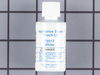
This product comes in a bottle with a brush like Liquid Paper. It goes on incredibly easy. A second coat might be needed. I wanted to prevent rust from setting in so I covered the scratches and dings. The paint is a little brighter since my washer is 10 years old but it still looks great.
Parts Used:
-
Michelle from Richardson, TX
-
Difficulty Level:Really Easy
-
Total Repair Time:Less than 15 mins
79 of 202 people
found this instruction helpful.
Was this instruction helpful to you?
Thank you for voting!
Water was leaking at the pump
Actually this is kinda funny. I ordered the part and it arrived when I was out of town on business. My 20 year old daughter tipped the washer up on its end, and replaced the pump herself in less than 30 minutes. Her only complaint was that no one told her to block the washer up as it almost fell on her.
Parts Used:

-
Paul from Painesville, OH
-
Difficulty Level:Really Easy
-
Total Repair Time:15 - 30 mins
-
Tools:Pliers, Screw drivers
17 of 21 people
found this instruction helpful.
Was this instruction helpful to you?
Thank you for voting!
Washing machine leaking water
First, I'm glad I found PartSelect. The previous posts for this repair told me exactly how to replace the pump: I unplugged the washer and moved it out away from the wall (did not need to disconnect water hoses). Then I tilted the washer back and propped it up so I could get underneath. Using pliers, slid hose clamps back and disconnected hoses from pump. Using a screwdriver, popped off two clips, top and bottom, that hold the pump in place. Pump then slides right off the shaft. Installation is the reverse. Make sure you align the shaft with the pump. Delivery of my part was FAST - ordered it and got it the next day!
Parts Used:
-
John from Oklahoma City, OK
-
Difficulty Level:Really Easy
-
Total Repair Time:Less than 15 mins
-
Tools:Pliers, Screw drivers
16 of 19 people
found this instruction helpful.
Was this instruction helpful to you?
Thank you for voting!
leaking drain pump. Obviously a common problem with this washer
Just turned the washer on its side, popped out the two retainer clips with pliers and screwdriver, pulled the pump out by hand, put the new one in and replaced one rusty clip with the new one from parts select, and used the other old one. I ordered the parts on Monday, and they came tuesday, even with the standard shipping. Also the website parts diagram and whole website design is good.
Parts Used:
-
John from Solana Beach, CA
-
Difficulty Level:Really Easy
-
Total Repair Time:15 - 30 mins
-
Tools:Pliers, Wrench (Adjustable)
15 of 17 people
found this instruction helpful.
Was this instruction helpful to you?
Thank you for voting!
Washmachine wouldn't spindry
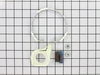
I removed three bolts from the transmission and two clips that hold the motor to the drive gear. I replaced the brake cam that had cracked and the lining. Now it works great ! Ordered part on Friday before two and it came Saturday at four.
Parts Used:
-
Chuck from South Holland, IL
-
Difficulty Level:A Bit Difficult
-
Total Repair Time:1- 2 hours
-
Tools:Pliers, Screw drivers, Socket set, Wrench set
15 of 17 people
found this instruction helpful.
Was this instruction helpful to you?
Thank you for voting!
Washer worked fine but wouldn't spin. Hot smell. I could turn tub by hand to help it get started and it would spin okay. Silver clutch cover was very hot to touch.
I pulled back off machine. A real pain. Not something you have to do although once the back is off, the whole cabinet just lifts off. Idealy: Remove agitator and reatiner clip, lay washer on it's side or face, Remove electrical connector form motor, remove two hoses from pump, (motor can be remove easily from transmission if desired. It's lighter), remove three 1/2" bolts, lift transmission w/clutch assembly out. Pay attention to orientation of flat washer and clip (remove). The cluch band is indside the silver cover. Pich together with pliers to relieve tension and lift out. There are three while pads that wear away and glaze over when they get too hot from slipping. Reassemble. Ths is from memory so I hope I didn't forget anything. Time to do it this way would probably only be 45 minutes.
Parts Used:
-
Kevin from Disputanta, VA
-
Difficulty Level:A Bit Difficult
-
Total Repair Time:1- 2 hours
-
Tools:Nutdriver, Pliers, Screw drivers, Socket set, Wrench (Adjustable)
17 of 24 people
found this instruction helpful.
Was this instruction helpful to you?
Thank you for voting!
water leaking from pump
Removed the clips. Pulled out the old pump. After trying to get the new pump on the shaft of the motor, I realized that some corrosion had built up on the motor shaft. I got a small tack hammer and very lightly tapped the shaft to remove the corrosion. The pump then slid on the shaft with no problem. Replaced clips. Job complete.
The corrosion on the shaft cracked the plastic piece where the shaft connects and this is what caused the problem in the first place.
The corrosion on the shaft cracked the plastic piece where the shaft connects and this is what caused the problem in the first place.
Parts Used:
-
michael from westmoreland city, PA
-
Difficulty Level:Easy
-
Total Repair Time:30 - 60 mins
-
Tools:Pliers, Screw drivers
15 of 19 people
found this instruction helpful.
Was this instruction helpful to you?
Thank you for voting!
water leaking during run cycle
flip machine back remove two spring clamps and hoses remove two spring clamps and water pump save $500.+on a new washer
Parts Used:
-
michael from weymouth, MA
-
Difficulty Level:Really Easy
-
Total Repair Time:15 - 30 mins
-
Tools:Pliers
13 of 15 people
found this instruction helpful.
Was this instruction helpful to you?
Thank you for voting!
Pump but not spin-oil leaking-agitation noise
Replaced AGITATOR DIRECTIONAL COGS (4) looking instruction video . Replaced CLUTCH LINING KIT following video of this site "WASHER REPAIR-REPLACING THE CLUTCH ASSEMBLY". Replaced SEAL, GEARCASE COVER and NEUTRAL DRIVE ASSEMBLY as follow: 1)CLUTCH Assembly and motor removed, took the GEARCASE on a bench vise to hold in place and the long shaft up side. You can get help from other person to hold secured in place instead a vise.2)Following a youtube video I tested gearcase with a reversible drill using DIRECT DRIVE MOTOR COUPLING PART next To transmission side instead of electrical motor. Drill turning counter clockwise drive the long shaft oscillating (it agitate via agitator cogs). Drill turning clockwise run the exterior sleeved part around shaft (upper side of metal gear inside gearcase and fixed on top to clutch to get washer spin). My experience was didn't rotate so we had to take apart gearcase cover.3)Unscrewed and removed gearcase cover. Cover was sticked by old seal gasket so a screwdriver helped me to remove it.4)Cleaned joint removing old gasket.5)Repeating drill test I realized big nylon gear did'nt rotated and removed uppercut clip with pin pliers with care for not lose the pin. Removed the next washer, the plastic gear and found a plastic part with a tooth broken. This part is with NEUTRAL DRAIN ASSEMBLY so replaced assembly following part instructions. I recommend take pictures in order to reassemling and use ALLEN WRENCH 5/32'' inches.6)Fill up to half of gearcase with 16 ounces (about 1/2 of case) of gear oil supplied by PARTSELECT or automotive gear oil SAE 85w90 or SAE 90.7)Replaced SEAL, GEARCASE COVER. HARD TO REMOVED AND REPLACE! Take care not break!. I had to use a piece of metal tube and a vise.8)Applied automotrice black seal gasket silicone around the cover joint and case.9) Replaced the cover and reversal instruction video.THANKS to this site I get excellent service and Enjoyed with my toy.
Parts Used:
-
Alvaro from CLEMENTON, NJ
-
Difficulty Level:A Bit Difficult
-
Total Repair Time:More than 2 hours
-
Tools:Nutdriver, Pliers, Screw drivers, Socket set
11 of 12 people
found this instruction helpful.
Was this instruction helpful to you?
Thank you for voting!
Washer vibrates excessively on spin cycle
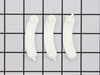
I followed the online instructions to remove the shell and attempted to remove the drum, but not having the special wrench to remove the special nut, tried using a screwdriver and hammer, which failed to loosen the nut. I then started examining the the undercarriage and saw that I could replace the springs without removing the tub and did that. In the course of replacing the springs I discovered I could also access the wear pads by lifting the drum off of the undercarriage and placing a block to hold it above the pads. I was able to pop the old pads out by tapping underneath them with a hammer. The new pads were then installed and the weight of the drum popped them in. It was necessary to lift the drum assembly three times for each of the three pads.
Parts Used:
-
Glenn from PROVO, UT
-
Difficulty Level:A Bit Difficult
-
Total Repair Time:30 - 60 mins
-
Tools:Pliers, Screw drivers, Socket set
11 of 13 people
found this instruction helpful.
Was this instruction helpful to you?
Thank you for voting!