













HWA2506W Hoover Washer - Instructions
Keep searches simple. Use keywords, e.g. "leaking", "pump", "broken" or "fit".
Loud squeal when spin cycle finished, white powder under washer
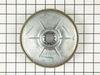
Read DIY review from William, Middleton, OH on 01-15-08. Tip on how to relieve spring pressure on brake assembly worked like a dream (3ea 10-24X2 bolts/machine screws). Replaced brake and machine works like new and was an inexpensive fix. Once the shell/housing is off the machine, tub can be turned upside down and the base doesn't need to be removed. White powder under machine was a plastic wear ring that tells you when your brake rotor needs to be changed. Brake rotor still had lining but was much thinner than replacement part. Note* Use putty knife to push in clips on front to release the top lid section.
Parts Used:
-
Kevin from Pooler, GA
-
Difficulty Level:A Bit Difficult
-
Total Repair Time:1- 2 hours
-
Tools:Nutdriver, Pliers, Wrench set
8 of 8 people
found this instruction helpful.
Was this instruction helpful to you?
Thank you for voting!
washer was squeeling to a stop
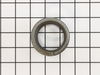
first remove drive belt then then remove dust cover on bottom of shaft take 5/16 nut driver to only 4 of the screws off that hold the brake cover on install 4 5/16 screws 1" long in those 4 spots.reomve rest of screws then slowly reomve back out 1" screws to relve spring pressure from brake pad.install all new parts from partsselect.com then install other part taken off in oreder and make your wife very happy
Parts Used:

-
paul from newbern, TN
-
Difficulty Level:A Bit Difficult
-
Total Repair Time:1- 2 hours
-
Tools:Nutdriver, Screw drivers, Socket set
7 of 9 people
found this instruction helpful.
Was this instruction helpful to you?
Thank you for voting!
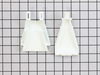
Washer went off balance and the flume broke off
I removed the part that was still attached to the washer and installed the new flume. It took less than five minutes and a repair that would have cost over $85 cost less than $10 and I am no plumber!
Parts Used:
-
Michelle from Jupiter, FL
-
Difficulty Level:Really Easy
-
Total Repair Time:Less than 15 mins
-
Tools:Screw drivers
13 of 27 people
found this instruction helpful.
Was this instruction helpful to you?
Thank you for voting!
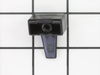
Washer Spin Cycle Stopped
Removed the screw from the side of the lid of the washer. Took off the old Lid Switch Actuator and screwed in the new one. Took a little elbow grease because the old screw was tight but no longer than 15 minutes tops.
Parts Used:
-
Diana from La Mirada, CA
-
Difficulty Level:Easy
-
Total Repair Time:Less than 15 mins
-
Tools:Screw drivers
7 of 9 people
found this instruction helpful.
Was this instruction helpful to you?
Thank you for voting!
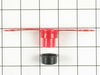
Oil leak from lower lip seal
I didn’t have special tool for brake but punch and hammer worked. Seal was easy to replace. Several videos online to show you how. It wasn’t worth it to tear apart the transmission and buy more parts/seals (if they were even available). But I didn’t know how much oil was in it. I drilled a hole in the side to somewhat check level and added 80-90 gear oil. It was almost empty and added almost a quart. Used a self taping screw/bolt with gasket sealer to plug the hole. I got 34 yrs out of this washer. If it fails, oh well. Just hate to buy a new one that only last 10yrs if im lucky.
Parts Used:
-
Anthony from CHESANING, MI
-
Difficulty Level:Easy
-
Total Repair Time:1- 2 hours
-
Tools:Nutdriver, Screw drivers, Socket set, Wrench set
6 of 6 people
found this instruction helpful.
Was this instruction helpful to you?
Thank you for voting!
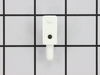
Washer lid came off hinges
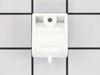
PROBLEM: The washer lid has two hinge pins that are attached to the lid with Phillips screws (one per pin). The plastic pin that inserts into the hinge broke off, allowing the lid to come free. SOLUTION: First, I removed the lid from the washing machine. Second, I used a Phillips-head screwdriver to remove the original hinge pins from the lid. Third, I replaced the hinge pins. Fourth, I used a flat-head screw driver to pry up the washer top to obtain easier access to the hinge screws. Fifth, I removed the original hinges with a Phillips-head screwdriver (one screw per hinge). Sixth, I attached the new hinges to the washer lid. Finally, I attached the hinges (and lid) to the washer top, then lowered the washer top.
Parts Used:
-
Geoffrey from Knoxville, TN
-
Difficulty Level:Easy
-
Total Repair Time:Less than 15 mins
-
Tools:Screw drivers
5 of 5 people
found this instruction helpful.
Was this instruction helpful to you?
Thank you for voting!
I had water leaking from the top of the tub.
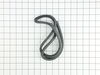
I opened up the top of the washer which exposed the tub, I took the top ring off the tub and under in side of the ring is the seal. Took the old one out and put the new one in. The old seal was completely wore out.
It was real easy.
Finding the part is usually the hardest part, but thanks to Parts Select finding the part was the easiest part of the repair.
It was real easy.
Finding the part is usually the hardest part, but thanks to Parts Select finding the part was the easiest part of the repair.
Parts Used:
-
Lester from Elk Grove, CA
-
Difficulty Level:Really Easy
-
Total Repair Time:15 - 30 mins
6 of 8 people
found this instruction helpful.
Was this instruction helpful to you?
Thank you for voting!
Topside door would not remain in an open position; lid hinges worn out.
The lid hinges are fastened to the top of the washing machine body, near the edge of the lid, with 1 screw each.
To remove the old lid hinges, with the lid clamped in the open position, I needed to gain access to the screw heads from underneath, just inside the edge of the lid opening. To get at these screw heads, I needed to push the inside wash drum toward the screw I wanted to remove and wedge something in the gap created between the body of the washer opening and the drum, directly opposite the screw that I pushed the drum towards. What? This is to hold the drum completely out of the way while getting at the screw. My wedge was the handle of a squeege that just happenned to be nearby, but just about anything will work.
Once the drum was secure, I was able to get at the screw head, which, by the way, is a totally blind operation; you cannot see the screw head, only feel it. I guess we're kind of used to feeling our way around these days. Anyway, I had to repeat the wedging thing to remove the other lid hinge.
The only real problem I had was the original (factory installed) screw heads were hex heads, and I struggled a bit finding the correct size allen wrench to blindly remove the screws. It is a good thing that I also ordered 2 new screws along with the new lid hinges because the new screws have phillips heads. Much easier to work with, even though they were a little pricey. The old hex head screws were kind of worn and it would have been a cursing operation to try to reuse them.
Once the old hinges were off, I removed the lid, installed the new hinges on the lid and clamped the lid in place in the open position, while I screwed the new hinges on (wedging the drum out of the way like before). NOTE: It might be a good idea to line the wash drum with newspaper in case a screw slips out and finds its way into one the holes in the drum; lost forever. Anyway, this may sound like alot, but it really isn't. My wife didn't even comment on how the lid isn't smashing down on her any more. That's OK, I'm grateful I'm not the one doing laundry!
To remove the old lid hinges, with the lid clamped in the open position, I needed to gain access to the screw heads from underneath, just inside the edge of the lid opening. To get at these screw heads, I needed to push the inside wash drum toward the screw I wanted to remove and wedge something in the gap created between the body of the washer opening and the drum, directly opposite the screw that I pushed the drum towards. What? This is to hold the drum completely out of the way while getting at the screw. My wedge was the handle of a squeege that just happenned to be nearby, but just about anything will work.
Once the drum was secure, I was able to get at the screw head, which, by the way, is a totally blind operation; you cannot see the screw head, only feel it. I guess we're kind of used to feeling our way around these days. Anyway, I had to repeat the wedging thing to remove the other lid hinge.
The only real problem I had was the original (factory installed) screw heads were hex heads, and I struggled a bit finding the correct size allen wrench to blindly remove the screws. It is a good thing that I also ordered 2 new screws along with the new lid hinges because the new screws have phillips heads. Much easier to work with, even though they were a little pricey. The old hex head screws were kind of worn and it would have been a cursing operation to try to reuse them.
Once the old hinges were off, I removed the lid, installed the new hinges on the lid and clamped the lid in place in the open position, while I screwed the new hinges on (wedging the drum out of the way like before). NOTE: It might be a good idea to line the wash drum with newspaper in case a screw slips out and finds its way into one the holes in the drum; lost forever. Anyway, this may sound like alot, but it really isn't. My wife didn't even comment on how the lid isn't smashing down on her any more. That's OK, I'm grateful I'm not the one doing laundry!
Parts Used:
-
James from Oakland, MI
-
Difficulty Level:Easy
-
Total Repair Time:15 - 30 mins
-
Tools:Screw drivers
6 of 8 people
found this instruction helpful.
Was this instruction helpful to you?
Thank you for voting!
both hinges on washer lid were broken
if you move the agiatater all the way to one side you can acess the star screws from under the hinge then push the agitator to the other side and acess the screw on the other hinge , you dont have to remove the top of the washer, let me say i did not have the serial no and the people at part select were very helpful and pacient when i called and they got me the RIGHT part the firdt time.thanks again for all your help the job came out perfect and saved me a lot of money for a repair man. ASHER
Parts Used:
-
Harris from Ashland, PA
-
Difficulty Level:Easy
-
Total Repair Time:15 - 30 mins
-
Tools:Screw drivers
5 of 5 people
found this instruction helpful.
Was this instruction helpful to you?
Thank you for voting!
washer overflowing
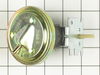
Once the washer was unplugged, i removed the two screws on the back pannel, disconnected the three wires, rubber water line, and two screws holding it to the control panel. Quite simply reversed the process with the replacement part i ordered, which arrived overnight, and the problem was solved.
Parts Used:
-
Aaron from Lawton, OK
-
Difficulty Level:Really Easy
-
Total Repair Time:Less than 15 mins
-
Tools:Nutdriver, Screw drivers
7 of 12 people
found this instruction helpful.
Was this instruction helpful to you?
Thank you for voting!
lid switch acuator broke and some cycles would not work
unscrew the screw holding the broken part in the lid to remove the old part and tighten the screw to a firm position to hold the new piece in place. Now working fine.
Parts Used:
-
Brian from Woodbury, MN
-
Difficulty Level:Really Easy
-
Total Repair Time:Less than 15 mins
-
Tools:Screw drivers
5 of 6 people
found this instruction helpful.
Was this instruction helpful to you?
Thank you for voting!
Water pump failure
Disconnect electricity....remove front panel by gently prying up lid.... Remove two small screws at corners of front panel. You may need small nutdriver here or very small hands, you can easily swivel tub out of the way....once front panel is off water pump is at the bottom right... It is only connected by two squeeze clamps and 3 nuts... This is obviously where the adjustable wrench and nutdriver come in very handy... Otherwise this job will be a bit longer....be prepared for residual water to pour out...you will need towels or a bucket....replace old with new one by reversing the process...at this point tilt the entire washer on it's backside or at least at a 45 degree angle to access the bottom... Swivel the motor away to slack up the belt...remove belt and replace in reverse order of diassembling.... Should take no more than 15 minutes.... Good luck!!!!!
Parts Used:
-
John from Alhambra, CA
-
Difficulty Level:Easy
-
Total Repair Time:Less than 15 mins
-
Tools:Nutdriver, Pliers
5 of 6 people
found this instruction helpful.
Was this instruction helpful to you?
Thank you for voting!
Original drain hose (rubber) was kinking, piece of junk. I replaced it with a new corigated drain hose .
Leaned washer forward, removed clamp and old hose, replaced with new hose, reinstalling clamp.
Parts Used:
-
Edwin from Eagar, AZ
-
Difficulty Level:Easy
-
Total Repair Time:Less than 15 mins
-
Tools:Nutdriver
6 of 11 people
found this instruction helpful.
Was this instruction helpful to you?
Thank you for voting!
My Washer's lid hinges broke while it was being moved.
I obtained the parts on line and began to install these. I was surprised that the ease of my installation was great. Each part was held by one screw. I used a phillips driver and found the under screws easy to get to by pushing the inside clothes drum to the side. A total of four screws was required for the replacement. This repair was so easy that a normal non-trained person can accomplish it. Thanks Admiral.
Parts Used:
-
Gary from Mesa, AZ
-
Difficulty Level:Really Easy
-
Total Repair Time:15 - 30 mins
-
Tools:Screw drivers
3 of 3 people
found this instruction helpful.
Was this instruction helpful to you?
Thank you for voting!
White fluffy residue appeared under washer. Unbalanced banging during spin cycle
Parts needed: Snubber Ring and 6 Springs (don't put the old springs back)
Unlug the AC cord, open the top from the front it snaps open with a little force and hinges on the back, remove the 2 screws on the front cover and take it off, tip the washer and remove the belt, take off the pump hose from the back It was not necessary to remove the back cover. Remove the little hose going to the basket from the control module. Remove the 6 springs and lift the complete drum out of the waser and turn it upside down. You can see the plastic snubber ring that is worn, loosen the 6 screws just enough to get the old ring out and the new one in. WARNING: DO NOT TAKE THE SCREWS ALL THE WAY OUT OR THE BRAKE ASSEMBLY WILL RELEASE AND A SPECIAL TOOL IS NEEDED TO PUT IT BACK. Seriously! Install the new ring, center and tighten the screws. Put the tub back in. I found it handy to support the tub with a 2x3 to get the springs back in. Connect hoses back up. It really isn’t that bad, a couple of scraped knuckles.
Unlug the AC cord, open the top from the front it snaps open with a little force and hinges on the back, remove the 2 screws on the front cover and take it off, tip the washer and remove the belt, take off the pump hose from the back It was not necessary to remove the back cover. Remove the little hose going to the basket from the control module. Remove the 6 springs and lift the complete drum out of the waser and turn it upside down. You can see the plastic snubber ring that is worn, loosen the 6 screws just enough to get the old ring out and the new one in. WARNING: DO NOT TAKE THE SCREWS ALL THE WAY OUT OR THE BRAKE ASSEMBLY WILL RELEASE AND A SPECIAL TOOL IS NEEDED TO PUT IT BACK. Seriously! Install the new ring, center and tighten the screws. Put the tub back in. I found it handy to support the tub with a 2x3 to get the springs back in. Connect hoses back up. It really isn’t that bad, a couple of scraped knuckles.
Parts Used:

-
John from Blue Bell, PA
-
Difficulty Level:A Bit Difficult
-
Total Repair Time:1- 2 hours
-
Tools:Nutdriver, Pliers, Screw drivers
4 of 6 people
found this instruction helpful.
Was this instruction helpful to you?
Thank you for voting!