













6643B Norge Washer - Instructions
Keep searches simple. Use keywords, e.g. "leaking", "pump", "broken" or "fit".
No hot water on wash or rinse cycles
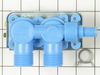
I read some stuff on the internet where folks with the same problem replaced the water inlet valve to repair this same problem. So I did the same. However, after I installed the new water inlet valve, the problem was still there. It was at that point I decided not to guess at the what issue was and instead test the components in the washer. Yes, I am a lazy dumb ass. There are many of us out there. I decided to use a continuity tester to test all components in the hot water fill circuit and determined that the water temperature switch was bad. So I ordered a new switch from Parts Select (they rock - it showed up next day) replaced the water temperature control switch and...walla. fixed!!! Only took about 30 minutes to replace. Lesson learned: Don't be a dumb ass and guess. Test.
Parts Used:
-
James from Buffalo Grove, IL
-
Difficulty Level:Really Easy
-
Total Repair Time:More than 2 hours
-
Tools:Nutdriver, Screw drivers
5 of 5 people
found this instruction helpful.
Was this instruction helpful to you?
Thank you for voting!
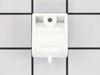
both hinges on washer lid were broken
if you move the agiatater all the way to one side you can acess the star screws from under the hinge then push the agitator to the other side and acess the screw on the other hinge , you dont have to remove the top of the washer, let me say i did not have the serial no and the people at part select were very helpful and pacient when i called and they got me the RIGHT part the firdt time.thanks again for all your help the job came out perfect and saved me a lot of money for a repair man. ASHER
Parts Used:
-
Harris from Ashland, PA
-
Difficulty Level:Easy
-
Total Repair Time:15 - 30 mins
-
Tools:Screw drivers
5 of 5 people
found this instruction helpful.
Was this instruction helpful to you?
Thank you for voting!
Washer lid came off hinges
PROBLEM: The washer lid has two hinge pins that are attached to the lid with Phillips screws (one per pin). The plastic pin that inserts into the hinge broke off, allowing the lid to come free. SOLUTION: First, I removed the lid from the washing machine. Second, I used a Phillips-head screwdriver to remove the original hinge pins from the lid. Third, I replaced the hinge pins. Fourth, I used a flat-head screw driver to pry up the washer top to obtain easier access to the hinge screws. Fifth, I removed the original hinges with a Phillips-head screwdriver (one screw per hinge). Sixth, I attached the new hinges to the washer lid. Finally, I attached the hinges (and lid) to the washer top, then lowered the washer top.
Parts Used:
-
Geoffrey from Knoxville, TN
-
Difficulty Level:Easy
-
Total Repair Time:Less than 15 mins
-
Tools:Screw drivers
5 of 5 people
found this instruction helpful.
Was this instruction helpful to you?
Thank you for voting!
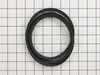
Noticed nick in drive belt durng inspection and cleaning
Washer was making noise especially when spinning. I took the washer apart to clean it, That is what it really needed. Also adjusted the water level to prevent overflows which caused soap and water to get underneath into the drive belt area as well. During inspection noticed a nick in the drive belt, Although this was not really causing immediate problem wanted to repalce it to prevent problems. Ordered the belt; it came in two days with no special postage. To install, just leaned the washer over on its front on a slight incline. Took old belt off and put new on by turning the big pulley. It is spring tensioned, so no tools. This may be the easiest part repacement I ever did. Took longer to write this paragraph than to repalce the belt.
Parts Used:
-
Brian from Plainville, CT
-
Difficulty Level:Really Easy
-
Total Repair Time:Less than 15 mins
5 of 5 people
found this instruction helpful.
Was this instruction helpful to you?
Thank you for voting!
No hot water was making it into the laundry cycle.
First I unplugged the machine, then turned the water supply off in order to disconnect the hoses at the back of the machine. Next I pulled the top up and leaned it back so I could access the water valve at the rear of the machine (You might have to use a screw driver to pry the top off the pins which hold it down in front...). I then unscrewed the the valve and disconnected the wiring and, in order, re-connected to the new valve. Now reverse and turn on the water and yes, the new valve fixed the hot water problem. We can now do the "whites".
Parts Used:
-
Neil from Ann Arbor, MI
-
Difficulty Level:Really Easy
-
Total Repair Time:15 - 30 mins
-
Tools:Nutdriver, Wrench (Adjustable)
6 of 8 people
found this instruction helpful.
Was this instruction helpful to you?
Thank you for voting!
Topside door would not remain in an open position; lid hinges worn out.
The lid hinges are fastened to the top of the washing machine body, near the edge of the lid, with 1 screw each.
To remove the old lid hinges, with the lid clamped in the open position, I needed to gain access to the screw heads from underneath, just inside the edge of the lid opening. To get at these screw heads, I needed to push the inside wash drum toward the screw I wanted to remove and wedge something in the gap created between the body of the washer opening and the drum, directly opposite the screw that I pushed the drum towards. What? This is to hold the drum completely out of the way while getting at the screw. My wedge was the handle of a squeege that just happenned to be nearby, but just about anything will work.
Once the drum was secure, I was able to get at the screw head, which, by the way, is a totally blind operation; you cannot see the screw head, only feel it. I guess we're kind of used to feeling our way around these days. Anyway, I had to repeat the wedging thing to remove the other lid hinge.
The only real problem I had was the original (factory installed) screw heads were hex heads, and I struggled a bit finding the correct size allen wrench to blindly remove the screws. It is a good thing that I also ordered 2 new screws along with the new lid hinges because the new screws have phillips heads. Much easier to work with, even though they were a little pricey. The old hex head screws were kind of worn and it would have been a cursing operation to try to reuse them.
Once the old hinges were off, I removed the lid, installed the new hinges on the lid and clamped the lid in place in the open position, while I screwed the new hinges on (wedging the drum out of the way like before). NOTE: It might be a good idea to line the wash drum with newspaper in case a screw slips out and finds its way into one the holes in the drum; lost forever. Anyway, this may sound like alot, but it really isn't. My wife didn't even comment on how the lid isn't smashing down on her any more. That's OK, I'm grateful I'm not the one doing laundry!
To remove the old lid hinges, with the lid clamped in the open position, I needed to gain access to the screw heads from underneath, just inside the edge of the lid opening. To get at these screw heads, I needed to push the inside wash drum toward the screw I wanted to remove and wedge something in the gap created between the body of the washer opening and the drum, directly opposite the screw that I pushed the drum towards. What? This is to hold the drum completely out of the way while getting at the screw. My wedge was the handle of a squeege that just happenned to be nearby, but just about anything will work.
Once the drum was secure, I was able to get at the screw head, which, by the way, is a totally blind operation; you cannot see the screw head, only feel it. I guess we're kind of used to feeling our way around these days. Anyway, I had to repeat the wedging thing to remove the other lid hinge.
The only real problem I had was the original (factory installed) screw heads were hex heads, and I struggled a bit finding the correct size allen wrench to blindly remove the screws. It is a good thing that I also ordered 2 new screws along with the new lid hinges because the new screws have phillips heads. Much easier to work with, even though they were a little pricey. The old hex head screws were kind of worn and it would have been a cursing operation to try to reuse them.
Once the old hinges were off, I removed the lid, installed the new hinges on the lid and clamped the lid in place in the open position, while I screwed the new hinges on (wedging the drum out of the way like before). NOTE: It might be a good idea to line the wash drum with newspaper in case a screw slips out and finds its way into one the holes in the drum; lost forever. Anyway, this may sound like alot, but it really isn't. My wife didn't even comment on how the lid isn't smashing down on her any more. That's OK, I'm grateful I'm not the one doing laundry!
Parts Used:
-
James from Oakland, MI
-
Difficulty Level:Easy
-
Total Repair Time:15 - 30 mins
-
Tools:Screw drivers
6 of 8 people
found this instruction helpful.
Was this instruction helpful to you?
Thank you for voting!
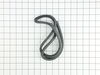
I had water leaking from the top of the tub.
I opened up the top of the washer which exposed the tub, I took the top ring off the tub and under in side of the ring is the seal. Took the old one out and put the new one in. The old seal was completely wore out.
It was real easy.
Finding the part is usually the hardest part, but thanks to Parts Select finding the part was the easiest part of the repair.
It was real easy.
Finding the part is usually the hardest part, but thanks to Parts Select finding the part was the easiest part of the repair.
Parts Used:
-
Lester from Elk Grove, CA
-
Difficulty Level:Really Easy
-
Total Repair Time:15 - 30 mins
6 of 8 people
found this instruction helpful.
Was this instruction helpful to you?
Thank you for voting!
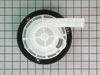
broken pump, burned belt
I removed four screws to remove a plate to get access to the pump. Then I removed 3 screws to remove the pump. I then put the new pump in place and put the 3 screws back in the pump. Then I put the plate back on and put the 4 screws back in. Then I put the belt on and put the washing machine back in place and connected the water lines and drain line and plugged the washing machine back in and then tested the washing machine to make sure it worked. Job completed.
Parts Used:
-
Jeffery from Omega, GA
-
Difficulty Level:Easy
-
Total Repair Time:15 - 30 mins
-
Tools:Nutdriver, Socket set, Wrench set
5 of 6 people
found this instruction helpful.
Was this instruction helpful to you?
Thank you for voting!
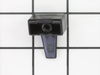
lid switch acuator broke and some cycles would not work
unscrew the screw holding the broken part in the lid to remove the old part and tighten the screw to a firm position to hold the new piece in place. Now working fine.
Parts Used:
-
Brian from Woodbury, MN
-
Difficulty Level:Really Easy
-
Total Repair Time:Less than 15 mins
-
Tools:Screw drivers
5 of 6 people
found this instruction helpful.
Was this instruction helpful to you?
Thank you for voting!
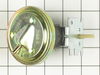
washer overflowing
Once the washer was unplugged, i removed the two screws on the back pannel, disconnected the three wires, rubber water line, and two screws holding it to the control panel. Quite simply reversed the process with the replacement part i ordered, which arrived overnight, and the problem was solved.
Parts Used:
-
Aaron from Lawton, OK
-
Difficulty Level:Really Easy
-
Total Repair Time:Less than 15 mins
-
Tools:Nutdriver, Screw drivers
7 of 12 people
found this instruction helpful.
Was this instruction helpful to you?
Thank you for voting!
Water pump failure
Disconnect electricity....remove front panel by gently prying up lid.... Remove two small screws at corners of front panel. You may need small nutdriver here or very small hands, you can easily swivel tub out of the way....once front panel is off water pump is at the bottom right... It is only connected by two squeeze clamps and 3 nuts... This is obviously where the adjustable wrench and nutdriver come in very handy... Otherwise this job will be a bit longer....be prepared for residual water to pour out...you will need towels or a bucket....replace old with new one by reversing the process...at this point tilt the entire washer on it's backside or at least at a 45 degree angle to access the bottom... Swivel the motor away to slack up the belt...remove belt and replace in reverse order of diassembling.... Should take no more than 15 minutes.... Good luck!!!!!
Parts Used:
-
John from Alhambra, CA
-
Difficulty Level:Easy
-
Total Repair Time:Less than 15 mins
-
Tools:Nutdriver, Pliers
5 of 6 people
found this instruction helpful.
Was this instruction helpful to you?
Thank you for voting!
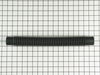
Hoes had a leak in it
The Repair went well . I had the hose on in about 30 seconds . The best part about this ordeal was the ease of finding the part on your website , and the speed of the delivery . I had my part in about 2 days , put it on and back to the fun part of clothes washing . I would recomend this company to everyone. Thanks, Rick K.
Parts Used:
-
Richard from moyock, NC
-
Difficulty Level:Really Easy
-
Total Repair Time:Less than 15 mins
-
Tools:Pliers, Screw drivers
5 of 6 people
found this instruction helpful.
Was this instruction helpful to you?
Thank you for voting!
Washer was making noise during spin cycle
Hardest part was finding part that needed the needed repair. Searching the web for issues associated with the sound resulted in many links. Once the sound was found, I went to the video to see how to remove the Water Pump so I could examine it to confirm that was the correct piece. It took about 15 minutes to remove the part. Since I had to remove the belt to get it out, I realize that the belt needed replacement as well. So both parts were ordered. Replacing the parts also took about 15 minutes. Relatively easy repair. Be aware that the video on the part select video shows the water pump in a different location than the Maytag washer. To get to the Maytaq water pump, there is a panel in the back that had to be opened to access the water pump.
Parts Used:
-
William from MORGANVILLE, NJ
-
Difficulty Level:Really Easy
-
Total Repair Time:15 - 30 mins
-
Tools:Pliers, Screw drivers, Socket set
4 of 4 people
found this instruction helpful.
Was this instruction helpful to you?
Thank you for voting!
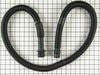
Original drain hose (rubber) was kinking, piece of junk. I replaced it with a new corigated drain hose .
Leaned washer forward, removed clamp and old hose, replaced with new hose, reinstalling clamp.
Parts Used:
-
Edwin from Eagar, AZ
-
Difficulty Level:Easy
-
Total Repair Time:Less than 15 mins
-
Tools:Nutdriver
6 of 11 people
found this instruction helpful.
Was this instruction helpful to you?
Thank you for voting!
Cracked hose AGAIN!
Hired someone. Note: I purchased two (2) hoses and (2) clamps -- this is the third time I am replacing a cracked hose. The manufacturer needs to use better quality and more flexible material for hoses.
Parts Used:

-
BLANCHE from OSSINING, NY
-
Difficulty Level:Easy
-
Total Repair Time:Less than 15 mins
9 of 21 people
found this instruction helpful.
Was this instruction helpful to you?
Thank you for voting!