













6540A - Instructions
Keep searches simple. Use keywords, e.g. "leaking", "pump", "broken" or "fit".
washer would agitate, drain, but would not spin
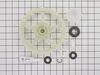
I put the washer on the spin cycle and could see that the tub wanted to move. While it was trying to spin I leaned the washer forward and saw that the motor was spinning and the belt was turning, but the tub wasn't. Did some reading and it was the thrust bearing. I ordered the part and replaced them (very easy, follow the directions that come with the set). After install, the tub would spin.
Parts Used:
-
michael from mountain home, ID
-
Difficulty Level:Really Easy
-
Total Repair Time:15 - 30 mins
-
Tools:Screw drivers, Wrench (Adjustable)
44 of 49 people
found this instruction helpful.
Was this instruction helpful to you?
Thank you for voting!
ice maker did not make ice
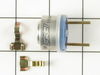
The ice maker was not getting water. I hotwired the water valve by switching the connectors for the water dispenser and ice maker water valves and water flowed into the icemaker when the water dispenser lever was pushed. I wronly assumed the water valve was good. I removed the icemaker and determined that the gear motor was not getting power in the position the icemaker had stopped.In this position, the thermostat determines when the motor gets power so I replaced the thermostat. The icemaker still would not get water! As it turns out, the water solenoid was sticking due to a deteriorated rubber washer which let the solenoid plunger get too far out of the magnetic field. I replaced the water solenoid assy and all is well. Don't get fooled by hotwiring the valve. If it isn't getting water, the solenoid probably is the culprit.
Parts Used:
-
DAVID from TINLEY PARK, IL
-
Difficulty Level:A Bit Difficult
-
Total Repair Time:30 - 60 mins
-
Tools:Nutdriver
49 of 64 people
found this instruction helpful.
Was this instruction helpful to you?
Thank you for voting!
Intermittent problem with lid switch, no high speed spin/pump out
Disconnect power, unsnap and raise machine top cover w/lid, remove old switch - two screws under lid, taking care to not drop loose actuator lever into machine. Remove control panel back and disconnect switch wire connector. Intall new switch, taking care to not drop loose actuator lever into machine, connect switch wires inside control panel. Replace panel cover and lower machine top cover w/lid and snap into place, reconnect power, verify operation...
Parts Used:
-
Linda from La Porte, IN
-
Difficulty Level:Easy
-
Total Repair Time:15 - 30 mins
-
Tools:Nutdriver, Screw drivers
48 of 63 people
found this instruction helpful.
Was this instruction helpful to you?
Thank you for voting!
washer would not spin water out in heavy loads
You do not have to remove any water lines to do this repair. Just unplug the machine from the electric outlet and tip it up on its back to make the repair. I removed the old belt and parts per the instructions. The new kit does not look like the old one. Make sure you mark the minimum and maximum marks with a sharpie on the plastic pulley before intalling it. This will help line up the cam bearing to test the spin cycle. The repair kit says to use the thickest washer but mine would not fit on so I used the thinner washer. Keep the other washer so that in the future if the plastic part wears down and you have spinning problems again you can replace it with the thicker washer. Also make sure you buy a new belt and replace the belt. I loaded it up with a full load of jeans and it works great.
Parts Used:
-
marcus from mansfield, TX
-
Difficulty Level:A Bit Difficult
-
Total Repair Time:30 - 60 mins
-
Tools:Pliers, Screw drivers
43 of 48 people
found this instruction helpful.
Was this instruction helpful to you?
Thank you for voting!
Icemaker was dumping water into ice bin and the ice maker shut off arm broke its rear mount
First I removed the 14.3 tons of freezer contents, closed the water valve, shut off the juice, and removed the freezer bins, the freezer door and the three screws that held the element in place. After bringing in 397 hand tools from my garage inventory, I loosened the unit and, after extensive evaluation, I finally disconnected the wiring connector from its freezer rear wall connector counterpart. You ain't gonna believe the rest of my story--of total ineptitude by an experienced fix-it-yourself dummy.
I searched the internet for a replacement ice maker and found it at partselect.com. I called Sears to ask if I could add my refrigerator to my existing appliance repair account. Sears said sure--it would cost me only one arm, three toes and one grandchild. I abruptly declined their magnanimous offer—I don’t give up my arms and toes so easily.
I visited the local Maytag repair parts and service retailer, who advised they didn't do parts anymore. Expecting their repair price would be greater than Sears, I resorted to partselect.com. I called them to be assured what I was buying was not mistakenly a 747 Landing Gear. On the afternoon (West Coast) of 4/28/10, I ordered (via internet) one PS21215123 Ice Maker Assy. Much to my pleasant surprise, it arrived via FedEX on 4/30/10 (no freight charges to me).
My repair/replacement efforts were hampered by the effects of my right rotator cuff surgery a few months before and major left wrist surgery two months ago to remove fractured bones and torn ligaments.
Undaunted by my physical handicaps, I forged forward. After re-installing the unit, I turned the water supply and electricity back on. It was graveyard dead. I wisely then bought two bags of ice as an interim solution to the severe needs of my wife and me for our daily chilled evening cocktails. I removed the unit, checked it out and re-installed it. I bought two more bags of ice. All the while, I turned the water and electricity off and on as required by reasonable safety standards. High tediousness!
Several more home maintenance tasks then arose for Sergeant Super Fixer, but I returned to the ice maker problem on 4/8/10. Last chance--remove the device and insure there was no frozen ice in the inlet tube--or call the local partsless repairman. No ice found, but I did learn the wiring connector to the unit was awry--no contact! While explaining that to my wife, I realized the two upper mounting screws were intended to be partially installed into the freezer wall to accommodate the unit's slotted mounting holes! Then, tighten the screws. Oh my God! During my 143 installations and removals, I had installed those screws blindly--using the (handicapped) skills of my right and left hands without any benefit of direct eyesight.
I returned to my challenging project this morning (4/9/10), fully utilizing all the expertise I had gained yesterday. Fifteen minutes of amusing effort! Turn on the juice! Turn on the water!Two hours later, ice cubes were dropping into the bin like rhinoceros bisquits in the jungle.
Hallelujah! I now am free for the next challenge!
HINT: Put a bed pillow (an old one, or your wife's) in the freezer compartment to soften the harshness of its cold metal on your back, if you use the "crawl in on your back" approach.
I searched the internet for a replacement ice maker and found it at partselect.com. I called Sears to ask if I could add my refrigerator to my existing appliance repair account. Sears said sure--it would cost me only one arm, three toes and one grandchild. I abruptly declined their magnanimous offer—I don’t give up my arms and toes so easily.
I visited the local Maytag repair parts and service retailer, who advised they didn't do parts anymore. Expecting their repair price would be greater than Sears, I resorted to partselect.com. I called them to be assured what I was buying was not mistakenly a 747 Landing Gear. On the afternoon (West Coast) of 4/28/10, I ordered (via internet) one PS21215123 Ice Maker Assy. Much to my pleasant surprise, it arrived via FedEX on 4/30/10 (no freight charges to me).
My repair/replacement efforts were hampered by the effects of my right rotator cuff surgery a few months before and major left wrist surgery two months ago to remove fractured bones and torn ligaments.
Undaunted by my physical handicaps, I forged forward. After re-installing the unit, I turned the water supply and electricity back on. It was graveyard dead. I wisely then bought two bags of ice as an interim solution to the severe needs of my wife and me for our daily chilled evening cocktails. I removed the unit, checked it out and re-installed it. I bought two more bags of ice. All the while, I turned the water and electricity off and on as required by reasonable safety standards. High tediousness!
Several more home maintenance tasks then arose for Sergeant Super Fixer, but I returned to the ice maker problem on 4/8/10. Last chance--remove the device and insure there was no frozen ice in the inlet tube--or call the local partsless repairman. No ice found, but I did learn the wiring connector to the unit was awry--no contact! While explaining that to my wife, I realized the two upper mounting screws were intended to be partially installed into the freezer wall to accommodate the unit's slotted mounting holes! Then, tighten the screws. Oh my God! During my 143 installations and removals, I had installed those screws blindly--using the (handicapped) skills of my right and left hands without any benefit of direct eyesight.
I returned to my challenging project this morning (4/9/10), fully utilizing all the expertise I had gained yesterday. Fifteen minutes of amusing effort! Turn on the juice! Turn on the water!Two hours later, ice cubes were dropping into the bin like rhinoceros bisquits in the jungle.
Hallelujah! I now am free for the next challenge!
HINT: Put a bed pillow (an old one, or your wife's) in the freezer compartment to soften the harshness of its cold metal on your back, if you use the "crawl in on your back" approach.
Parts Used:
-
GORDON from CUPERTINO, CA
-
Difficulty Level:Very Difficult
-
Total Repair Time:More than 2 hours
-
Tools:Nutdriver, Pliers, Screw drivers
51 of 72 people
found this instruction helpful.
Was this instruction helpful to you?
Thank you for voting!
Washer shakes violently during spin cycle
I used the instructions from others and modified them with tips and details based on my own experience:
1. Unplug the power, turn off the hot/cold water valves and disconnect the hot/cold water hoses and drain hose. Tip: plug the drain hose with some paper towels to keep the stale water from dripping on your floors.
2. Move the washer to an open area like a garage, and position it near a wall (or have a helper on hand who can help you prop up the washer top later). Tip: to simplify things, you’ll want to avoid removing the top completely. Removing the top completely involves removing the inlet water hose and all wires leading to the control panel and the door switch.
3. Lay the washer on its side and remove the drive belt from the bottom of the washer.
4. Place the washer upright again and remove the lower rear panel held by eight ¼” hex screws.
5. With the rear panel off, you will see a black drain hose that connects the tub to the pump. Remove the hose at the pump with a pair of pliers. The hose is just held on with a spring clamp.
6. Remove the front panel: pry the top off at 2 front hinge points with a flat head screwdriver. With the top up, remove two 5/16” hex screws holding the front panel and remove the front panel.
7. Remove suspension springs: To easily remove the suspension springs, you will need about 12 quarters (or nickels) for each spring. I hope I can describe this part clearly. For the removal of each spring, tilt the top of the tub away from you as far as you can in order to stretch out the spring. Now insert coins between the gaps in the spring coil, alternating the coins on each side of the coil to keep the spring coil straight. Then tilt the top of the tub back toward you to release the tension on the spring and you should now be able to easily unhook the spring from the tub. The coins keep the coil stretched out for re-installation later. Repeat for the other 5 coils. Note: Others have mentioned using a metal electrical box for this, but I can’t visualize it.
8. Now raise the washer top and prop it against the wall (or have a helper hold it vertical). Follow the small clear “water level” hose that runs from the control panel to the rear of the tub and disconnect it from the tub. It is just held by a small spring clamp.
9. Remove the tub assembly. Remember the position of the tub before you take it out. Place a couple of 4”x4”s (or equivalent) on the ground to support the edges of the washer tub when you turn it upside down. With the springs removed, the drive belt off, and the water level hose and drain hose detached, you should be able to simply lift the tub assembly out. Lay the tub upside down on the 4x4s.
10. Remove the snubber ring: There is no need to remove the flywheel if you have a small or fairly shallow socket (or an angled open end wrench). My small socket worked fine. As others have mentioned, remove the snubber ring by backing out the six 5/16” hex bolts that hold the snubber ring in place. Do not remove the bolts completely. The metal retaining plate is supposed to be under spring tension, but mine did not rise when I loosened the bolts, so I had to pry it up slightly with a flat screwdriver to form enough of a gap to insert the new snubber ring. Make sure the new snubber ring is seated evenly and re-tighten the 6 bolts.
11. Reinstall: Place tub back into the cabinet, reconnect the thin water level hose, reconnect the drain hose at the pump.
12. Spring re-installation: As you hook each spring to the tub, make sure the bottom of the spring is hooked properly to the bottom of the cabinet. Then tilt the top of the tub away from you to stretch the spring out in order to remove the coins. Then tilt it back toward you to remove the tension. Repeat for the other 5 springs.
13. Re-install the front panel and the rear panel and place the washer top back in place.
14. Lay the washer on its side to reinstall the drive belt.
15. Hook up your hot/cold water, drain hose, tur
1. Unplug the power, turn off the hot/cold water valves and disconnect the hot/cold water hoses and drain hose. Tip: plug the drain hose with some paper towels to keep the stale water from dripping on your floors.
2. Move the washer to an open area like a garage, and position it near a wall (or have a helper on hand who can help you prop up the washer top later). Tip: to simplify things, you’ll want to avoid removing the top completely. Removing the top completely involves removing the inlet water hose and all wires leading to the control panel and the door switch.
3. Lay the washer on its side and remove the drive belt from the bottom of the washer.
4. Place the washer upright again and remove the lower rear panel held by eight ¼” hex screws.
5. With the rear panel off, you will see a black drain hose that connects the tub to the pump. Remove the hose at the pump with a pair of pliers. The hose is just held on with a spring clamp.
6. Remove the front panel: pry the top off at 2 front hinge points with a flat head screwdriver. With the top up, remove two 5/16” hex screws holding the front panel and remove the front panel.
7. Remove suspension springs: To easily remove the suspension springs, you will need about 12 quarters (or nickels) for each spring. I hope I can describe this part clearly. For the removal of each spring, tilt the top of the tub away from you as far as you can in order to stretch out the spring. Now insert coins between the gaps in the spring coil, alternating the coins on each side of the coil to keep the spring coil straight. Then tilt the top of the tub back toward you to release the tension on the spring and you should now be able to easily unhook the spring from the tub. The coins keep the coil stretched out for re-installation later. Repeat for the other 5 coils. Note: Others have mentioned using a metal electrical box for this, but I can’t visualize it.
8. Now raise the washer top and prop it against the wall (or have a helper hold it vertical). Follow the small clear “water level” hose that runs from the control panel to the rear of the tub and disconnect it from the tub. It is just held by a small spring clamp.
9. Remove the tub assembly. Remember the position of the tub before you take it out. Place a couple of 4”x4”s (or equivalent) on the ground to support the edges of the washer tub when you turn it upside down. With the springs removed, the drive belt off, and the water level hose and drain hose detached, you should be able to simply lift the tub assembly out. Lay the tub upside down on the 4x4s.
10. Remove the snubber ring: There is no need to remove the flywheel if you have a small or fairly shallow socket (or an angled open end wrench). My small socket worked fine. As others have mentioned, remove the snubber ring by backing out the six 5/16” hex bolts that hold the snubber ring in place. Do not remove the bolts completely. The metal retaining plate is supposed to be under spring tension, but mine did not rise when I loosened the bolts, so I had to pry it up slightly with a flat screwdriver to form enough of a gap to insert the new snubber ring. Make sure the new snubber ring is seated evenly and re-tighten the 6 bolts.
11. Reinstall: Place tub back into the cabinet, reconnect the thin water level hose, reconnect the drain hose at the pump.
12. Spring re-installation: As you hook each spring to the tub, make sure the bottom of the spring is hooked properly to the bottom of the cabinet. Then tilt the top of the tub away from you to stretch the spring out in order to remove the coins. Then tilt it back toward you to remove the tension. Repeat for the other 5 springs.
13. Re-install the front panel and the rear panel and place the washer top back in place.
14. Lay the washer on its side to reinstall the drive belt.
15. Hook up your hot/cold water, drain hose, tur
Parts Used:
-
Hank from Alpharetta, GA
-
Difficulty Level:Easy
-
Total Repair Time:1- 2 hours
-
Tools:Pliers, Socket set
37 of 42 people
found this instruction helpful.
Was this instruction helpful to you?
Thank you for voting!
Puddling on the floor. Water was leaking through the impeller bushing on the water pump
..First I sought the source of the water leak, by removing the louvered panel on the rear (4 nut headed screws hold it in place) and observed for water leaks during a wash cycle. This required that I re-position the washer and route the fill and drain hoses in order to stand behind the washer during its cycle to observe through the rear panel opening.
...There was no visible leakage of any of the hoses or connections but I could see the water puddle on the floor was coming from under the water pump located in the front corner.
...I wasn't able to peel the sides off the washer. I disconnected the rear hoses for hot and cold water and the drain hose. I removed the plate on the rear that orients the drain hose.
...I tilted the washer 90 degrees to its front using 2 x 4's to cushion the front so the machine would not be scratched.
....I removed the drive belt underneath. It was easy to remove by hand and did not require loosening screws on any of the pulleys.
...I disconnected the black exhaust hose from the tub with a screw driver and the white drain outlet hose with water pump pliers.
...I then reached into the front corner of the machine through the opening in the back and removed the water pump which is held in place by 3 nut head screws. I used a ratchet set to do this.
...I observed the water pump which is almost all molded plastic. The bushing area in the center attached to the impeller appeared to be wet and rusted. I assumed this to be the source of the water leak. I found the replacement on line at PartSelect site and ordered it. It was much cheaper at PartSelect then other sites.
....When the replacement pump arrived 2 days later , I compared it to the pump I removed. It matched physically including the pulley so then I installed it and re-assembled the washing machine in the reverse order from disassembly.
...I left the louvered panel off and observed the water flow for leaks during the first wash after re-assembly.
...There were no internal leaks and no puddling on the floor, so I replaced the louvered panel and put the washing machine back in place.
The water pump was a bit noisy during the 1st load
but otherwise the machine ran well. After the 1st load the pump is quiet and the machine runs just as it did before the puddling occurred. It is fine.
After having done this I can say, it was uncomfortable and cramped to reach in through the rear panel opening to remove and replace the water pump. But I could not find a way to lift the top of the machine easily so I could removed the side panels to have better access to the water pump and hoses. If anyone knows a way to do that without unplugging and removing the electronics panel, that would be useful information. Please post it.
It can be done the way I described here because I did it, but that may not be the easiest way if the side panels can be easily removed it would probably be an easier repair.
...There was no visible leakage of any of the hoses or connections but I could see the water puddle on the floor was coming from under the water pump located in the front corner.
...I wasn't able to peel the sides off the washer. I disconnected the rear hoses for hot and cold water and the drain hose. I removed the plate on the rear that orients the drain hose.
...I tilted the washer 90 degrees to its front using 2 x 4's to cushion the front so the machine would not be scratched.
....I removed the drive belt underneath. It was easy to remove by hand and did not require loosening screws on any of the pulleys.
...I disconnected the black exhaust hose from the tub with a screw driver and the white drain outlet hose with water pump pliers.
...I then reached into the front corner of the machine through the opening in the back and removed the water pump which is held in place by 3 nut head screws. I used a ratchet set to do this.
...I observed the water pump which is almost all molded plastic. The bushing area in the center attached to the impeller appeared to be wet and rusted. I assumed this to be the source of the water leak. I found the replacement on line at PartSelect site and ordered it. It was much cheaper at PartSelect then other sites.
....When the replacement pump arrived 2 days later , I compared it to the pump I removed. It matched physically including the pulley so then I installed it and re-assembled the washing machine in the reverse order from disassembly.
...I left the louvered panel off and observed the water flow for leaks during the first wash after re-assembly.
...There were no internal leaks and no puddling on the floor, so I replaced the louvered panel and put the washing machine back in place.
The water pump was a bit noisy during the 1st load
but otherwise the machine ran well. After the 1st load the pump is quiet and the machine runs just as it did before the puddling occurred. It is fine.
After having done this I can say, it was uncomfortable and cramped to reach in through the rear panel opening to remove and replace the water pump. But I could not find a way to lift the top of the machine easily so I could removed the side panels to have better access to the water pump and hoses. If anyone knows a way to do that without unplugging and removing the electronics panel, that would be useful information. Please post it.
It can be done the way I described here because I did it, but that may not be the easiest way if the side panels can be easily removed it would probably be an easier repair.
Parts Used:
-
Richard from Boyertown, PA
-
Difficulty Level:A Bit Difficult
-
Total Repair Time:1- 2 hours
-
Tools:Pliers, Screw drivers, Socket set
36 of 40 people
found this instruction helpful.
Was this instruction helpful to you?
Thank you for voting!
noisy fan motor
rmv panel (5min) rmv fan/motor 3 screws (10 m) cut wire 2in from motor, re route remainder of wire to front so can strip for wire nuts. ( 10m) attach old fan to new motor, place in old opening ,3 screws, a little fussy to align, ( 15m ) route and strip wire from new motor , zip ties work well, wire nuts , plug in fridge vola, no noise, close up, reverse panel. ( 20m). i also took time to clean grilles with small vac and damp rag, ( looks and sounds like new) bob Wi.
Parts Used:

-
robert from nashotah, WI
-
Difficulty Level:A Bit Difficult
-
Total Repair Time:30 - 60 mins
-
Tools:Nutdriver, Socket set
38 of 46 people
found this instruction helpful.
Was this instruction helpful to you?
Thank you for voting!
Washer Made Screeching noise on spin & Rinse
Unplugged Machine, Turned Off Water, Disconnected water and drain hoses. Let water run from hoses ino bucket.
Removed back plate where drain hose goes into back of machine. Used pliers to close the clamp holding to drain hose to remove it. I stuffed the exposed water pump opening with towels to keep water from spilling.
At this point I leaned the machine over on its front so the back of the machine was facing skyward. I placed a towel over the motor in case water spilled it would not get on the electrical components. I removed the belt on the bottom of the machine from the water pumps pully. I then removed the three screws mounting the pump to the bottom of the machine. I disconnected the other hose from the water pump that comes from the wash tank with the pliers. Once disconnected I stuffed the ends of both with towels to keep water from leaking out.
I took the new pump and connected the hose from the washer tub with pliers, mounted the pump back to the bottom of the tub with the three screws, replaced the belt, and reconnected the drain hose, and took the towel off the motor. I then replaced the back plate and set the machine upright. I connected all the hoses back up and plugged it in. It worked great. If you spill water on the motor you can dry it with a hair dryer.
Removed back plate where drain hose goes into back of machine. Used pliers to close the clamp holding to drain hose to remove it. I stuffed the exposed water pump opening with towels to keep water from spilling.
At this point I leaned the machine over on its front so the back of the machine was facing skyward. I placed a towel over the motor in case water spilled it would not get on the electrical components. I removed the belt on the bottom of the machine from the water pumps pully. I then removed the three screws mounting the pump to the bottom of the machine. I disconnected the other hose from the water pump that comes from the wash tank with the pliers. Once disconnected I stuffed the ends of both with towels to keep water from leaking out.
I took the new pump and connected the hose from the washer tub with pliers, mounted the pump back to the bottom of the tub with the three screws, replaced the belt, and reconnected the drain hose, and took the towel off the motor. I then replaced the back plate and set the machine upright. I connected all the hoses back up and plugged it in. It worked great. If you spill water on the motor you can dry it with a hair dryer.
Parts Used:
-
Michael from Elgin, SC
-
Difficulty Level:Really Easy
-
Total Repair Time:30 - 60 mins
-
Tools:Nutdriver, Pliers
34 of 37 people
found this instruction helpful.
Was this instruction helpful to you?
Thank you for voting!
Clothes were too damp after spin cycle finished.
Unplugged and removed the drain and supply hoses from the back; some water will run out so be ready for that. I laid the machine down on two 2x4s to keep from crushing the supply and drain nipples. Just follow the instructions included with the parts, all steps are straight forward accept for two things: 1. they talk about pulling down on the transmission shaft to slip on the retaining clip. With only the end of the shaft sticking out there isn't much to grab on to. I found by using a thin blade scraper inserted into the retaining clip groove, prying downward on the shaft I could then get a regular screwdriver blade into the same groove and expose the entire groove and slip on the clip. 2. they talk about "Adjusting Brake Disengagement" after studying this for a while it just refers to which thickness of thrust washer to use. After trying both the .062 and .032 I found that only the .032 would allow the retaining clip to engage. Rechecking the brake disengagement, everthing seemed to work fine. The machine now has a stronger spin cycle and even bath towels are ready for drying after the normal spin.
Parts Used:
-
Brian from South Holland, IL
-
Difficulty Level:A Bit Difficult
-
Total Repair Time:30 - 60 mins
-
Tools:Screw drivers
34 of 38 people
found this instruction helpful.
Was this instruction helpful to you?
Thank you for voting!
Hinge pin on one side and Lid hinge on the other
First I popped the lid up to about 70 degrees. Then removed the two hinges. Then removed and replaced the two hinge pins. The key is to then just start the two screws for the hinges, slip the pins in and then tighten the hinge screws. Total time was 5 minutes.
Parts Used:
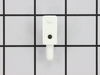
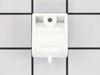
-
Jon from Ridgecrest, CA
-
Difficulty Level:Really Easy
-
Total Repair Time:Less than 15 mins
-
Tools:Screw drivers
31 of 35 people
found this instruction helpful.
Was this instruction helpful to you?
Thank you for voting!
Load was to wet after last spin cycle.
Turned off water suply. Removed drain (pipe is short). Then slid washer out so I could tilt it back and work under the washer. I put a wood brace under the front of the washer for safety. I then followed the instructions that came with the parts.
Parts Used:
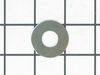
-
Earl from Crest Hill, IL
-
Difficulty Level:A Bit Difficult
-
Total Repair Time:15 - 30 mins
-
Tools:Pliers, Screw drivers
35 of 48 people
found this instruction helpful.
Was this instruction helpful to you?
Thank you for voting!
Water valve failed, flooded kitchen
Turned off water supply and unplugged appliance. Removed lower panel on back of refrigerator with 1/4 " nutdriver. Then removed supply line, and line to icemaker. removed valve from back panel and replaced with new valve. wrapped water connections with teflon tape, turned on supply line, checked for leaks, everything o.k..Replaced back panel and in 45 minutes had first drop of ice. Job requires moderate mechanical ability and minimum tools. Saved a PANT load of money by doing it myself. VERY satisfied with Partselect.com
Parts Used:
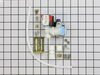
-
James R from Valley Springs, CA
-
Difficulty Level:Easy
-
Total Repair Time:15 - 30 mins
-
Tools:Nutdriver, Wrench (Adjustable)
28 of 29 people
found this instruction helpful.
Was this instruction helpful to you?
Thank you for voting!
Icemaker arm was broken
The tiny piece of plastic that holds the wire that shuts off the icemaker, broke early on with our fridge (after just a few months.) We superglued it, but last week it bit the dust for good.
Once I got this part, I removed the freezer door and trays, and pulled the icemaker out by removing 3 flathead screws and unplugging the cables. Laying in the freezer on the floor was a bit unconfortable, but not too bad.
Then I inspected the icemaker. There was no obvious way to remove the part without disassembling the front of the unit (where the motor is) to release the spindle and free the part, so I did that - 3 or 4 nuts was all that held it together. Once that was out, I removed the spindle, swapped out the part, and put it all back together and back in the freezer. Plugged it in and waited.
It took a while to start making ice. Like 5 hours. Now it's going pretty slow (much slower than before.) Haven't had time to look into it, but my suspicion is the rubber hose that feeds water into the icemaker is blocked with ice or kinked. In any case, we have ice now (but not a lot), and the unit shuts itself off properly. However, we went from having too much ice (thing never shut off) to too little (thing makes ice too slow), so I need to shoot for somewhere in the middle ;)
Once I got this part, I removed the freezer door and trays, and pulled the icemaker out by removing 3 flathead screws and unplugging the cables. Laying in the freezer on the floor was a bit unconfortable, but not too bad.
Then I inspected the icemaker. There was no obvious way to remove the part without disassembling the front of the unit (where the motor is) to release the spindle and free the part, so I did that - 3 or 4 nuts was all that held it together. Once that was out, I removed the spindle, swapped out the part, and put it all back together and back in the freezer. Plugged it in and waited.
It took a while to start making ice. Like 5 hours. Now it's going pretty slow (much slower than before.) Haven't had time to look into it, but my suspicion is the rubber hose that feeds water into the icemaker is blocked with ice or kinked. In any case, we have ice now (but not a lot), and the unit shuts itself off properly. However, we went from having too much ice (thing never shut off) to too little (thing makes ice too slow), so I need to shoot for somewhere in the middle ;)
Parts Used:

-
Jason from Austin, TX
-
Difficulty Level:A Bit Difficult
-
Total Repair Time:30 - 60 mins
-
Tools:Nutdriver, Screw drivers
33 of 45 people
found this instruction helpful.
Was this instruction helpful to you?
Thank you for voting!
Freezer and Fridge wouldnt cool
My husband replaced the condenser fan. It took awhile and a few choice words but he got it replaced. The fan seemed to work fine, but it still wasn't cooling. I noticed that when we had the fridge unplugged that water started draining out the dials at the top of the fridge under the freezer. And there was absolutely no water at all in the drip pan under the fridge. So I took the doors off and totally took the inside of the freezer apart. I discovered that the styrofoam on the floor of the freezer had become inudated with fluid and the under the foam the coils were all frozen solid with ice. Hence not allowing any drainage. I put a lamp in the freezer area and defrosted all the ice. In searching the internet i discovered that they no longer produce the foam so i went to home depot and got a piece of foam and aluminum foil and cut it to replace the ruined foam. I put the fridge all back together said a prayer and crossed my fingers and lo and behold it works perfectly now!!!!
Parts Used:
-
Janet from Hillsboro, OR
-
Difficulty Level:A Bit Difficult
-
Total Repair Time:More than 2 hours
-
Tools:Nutdriver, Pliers, Screw drivers, Socket set, Wrench (Adjustable), Wrench set
24 of 25 people
found this instruction helpful.
Was this instruction helpful to you?
Thank you for voting!