













11081375310 Kenmore Washer - Instructions
Keep searches simple. Use keywords, e.g. "leaking", "pump", "broken" or "fit".
The washer pumps but does not spin
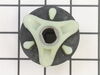
I did a Google search for the model number and found this site, PartSelect.com. Based on the diagrams on the site and what I could see underneath the washer, it was clear that the motor coupling was now gone and the shattered pieces of it were all over the floor. So I ordered a new coupling and waited for it to arrive, it was shipped in just a few days. Once I had the new coupling all I had to do was remove a couple of brackets holding the pump onto the motor, and the motor onto the gearbox; unplug the electrical terminals and lift the motor out. There are two halves to the coupling, one sits on the shaft of the gearbox and the other on the shaft of the motor. Both of these are seated into a rubber boot that is also a part of the coupling. Once the motor is sitting on the gearbox with all the coupling parts seated in place, just plug everything back in and replace the brackets. You will need a 1/4 socket to remove/replace the motor brackets. Also, it should be noted that you will want to unhook everything that is hooked to the wall (hoses, power cord) but it assumed you've already done this if you have access the the underneath of the washer.
Parts Used:
-
C. Scott from Fremont, NE
-
Difficulty Level:Really Easy
-
Total Repair Time:15 - 30 mins
-
Tools:Socket set
3 of 3 people
found this instruction helpful.
Was this instruction helpful to you?
Thank you for voting!
pump did not pump water out
Put new one on work good, but now can't pump no more .the problem now is the spin cycal broke and I not going to fix it. Thank for the part work good.
Parts Used:

-
Brian from HUMMELSTOWN, PA
-
Difficulty Level:Really Easy
-
Total Repair Time:15 - 30 mins
-
Tools:Pliers, Screw drivers
3 of 3 people
found this instruction helpful.
Was this instruction helpful to you?
Thank you for voting!
Dryer would not run
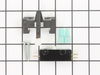
There are two screws that hold the switch in place. And two wires connected to the switch. The most difficult part of replacement is to place the new switch and hold it in place to reinstall the mounting screws. The space to work in is limited unless you remove the front panel from the dryer, which I opted not to do.
Parts Used:
-
james from york, PA
-
Difficulty Level:A Bit Difficult
-
Total Repair Time:15 - 30 mins
-
Tools:Nutdriver, Pliers, Screw drivers
4 of 6 people
found this instruction helpful.
Was this instruction helpful to you?
Thank you for voting!
Washer tub goes out of balance in spin cycle.
Found leveling spring loose on bottom of washer, the sheet metal on bottom of cabinet ad rusted through. Drilled new hole in sheet metal and installed new leveling spring. Greased hole with blue marine grease so it will last another 40 years.
Parts Used:
-
Dale from DOTHAN, AL
-
Difficulty Level:Really Easy
-
Total Repair Time:15 - 30 mins
-
Tools:Screw drivers
3 of 3 people
found this instruction helpful.
Was this instruction helpful to you?
Thank you for voting!
Squealing noise when filling washer; water leak in tub; cold water filling slowly.
Removed screws from top control panel. Tilted panel back. Unsnapped two retaining clips and pulled entire washer cover forward. Turned off water and uplugged washer. Disconnected hot and cold water supply. Disconnected supply tube from water inlet valve. Disconnected electrical hook-ups to water inlet valve. Removed water inletvalve. Installed new valve being careful to use new mounting plate supplied and making sure screw holes line up correctly. Re-connected all disconnects and it works like new!
Parts Used:
-
JAMES from GREENSBURG, PA
-
Difficulty Level:Really Easy
-
Total Repair Time:30 - 60 mins
-
Tools:Nutdriver, Pliers, Screw drivers, Socket set
3 of 3 people
found this instruction helpful.
Was this instruction helpful to you?
Thank you for voting!
Motor runs, but tub does not spin or agitate
Woulkd have taken alot less time had I not taken off the control board, back...etc. Laying the unit on its back is perfect. Took it out into the garage when I could have done it in the laundry rooom with very little water loss.
1. Removed all hoses connected to top of motor. This was not very easy since the spring clamps had been in the same place for 20+ years. Also removed all wire harness connected to and from the motor.
2. Removed metal clamps from top of motor unit, and removed the plastic "valve".
3. Removed screws holding in clamps on each side of the motor used to hold motor on motor plate. Removed motor. Trick is to make sure that the back clamp stays in place...makes it a little easier when you go to re install.
4. Cleaned out around agitator shaft, and fitted one side of the coupling and the neoprene type joiner on to the agitator shaft.
5. Fitted other side of coupling on to motor...This is where it got a little tough......and then placed motor unit on the motor plate, making sure to line up teeth to neoprene joiner.
6. Replaced clamps on each side of the motor and screwed in nuts holding them in place.
7. Replaced plastic "valve" and the clamps that hold it in placed...back one is a little tough.
8. Reattached hoses to "valve" and hooked all wire harness back into place.
9.Tested perfect...little burning smell on first spin....but works great now!!
1. Removed all hoses connected to top of motor. This was not very easy since the spring clamps had been in the same place for 20+ years. Also removed all wire harness connected to and from the motor.
2. Removed metal clamps from top of motor unit, and removed the plastic "valve".
3. Removed screws holding in clamps on each side of the motor used to hold motor on motor plate. Removed motor. Trick is to make sure that the back clamp stays in place...makes it a little easier when you go to re install.
4. Cleaned out around agitator shaft, and fitted one side of the coupling and the neoprene type joiner on to the agitator shaft.
5. Fitted other side of coupling on to motor...This is where it got a little tough......and then placed motor unit on the motor plate, making sure to line up teeth to neoprene joiner.
6. Replaced clamps on each side of the motor and screwed in nuts holding them in place.
7. Replaced plastic "valve" and the clamps that hold it in placed...back one is a little tough.
8. Reattached hoses to "valve" and hooked all wire harness back into place.
9.Tested perfect...little burning smell on first spin....but works great now!!
Parts Used:
-
Danny from Woodstock, GA
-
Difficulty Level:Easy
-
Total Repair Time:30 - 60 mins
-
Tools:Screw drivers, Socket set
3 of 3 people
found this instruction helpful.
Was this instruction helpful to you?
Thank you for voting!
Leaking water inlet hoses.
-
Helen from NASHUA, NH
-
Difficulty Level:Really Easy
-
Total Repair Time:30 - 60 mins
4 of 6 people
found this instruction helpful.
Was this instruction helpful to you?
Thank you for voting!
a mouse got in the washer looking for water and chewed up the hose
I WATCHED YOUR VIDEO AND IT CHANGED OUT VERY GOOD IT WAS NOT AS HARD AS I THOUGHT IT WOULD BE. I HAD TO TAKE IT APART 3 TIMES. HE CHEWEW THE HOSES ON THE PUMP AND THE LITTLE HOSE THAT GOES TO THE WATER FILL CONTROLE. I THINK I AM A WASHER EXPERT.I AM 81 YEARS OLD SO ANYONE CAN DO IT.
Parts Used:
-
Jim from Waxahachie, TX
-
Difficulty Level:Easy
-
Total Repair Time:30 - 60 mins
-
Tools:Nutdriver, Pliers, Screw drivers
3 of 3 people
found this instruction helpful.
Was this instruction helpful to you?
Thank you for voting!
leaking valves
We watched a video on YouTube; it was very easy . We had to use the mounting bracket.
Parts Used:
-
Connie from BATON ROUGE, LA
-
Difficulty Level:Very Easy
-
Total Repair Time:30 - 60 mins
-
Tools:Pliers, Screw drivers, Socket set
3 of 3 people
found this instruction helpful.
Was this instruction helpful to you?
Thank you for voting!
washer quit spinning
Followed the video posted on the website. Everything went great - first repair attempt took about 45 minutes. Time consumed mostly due to the straps that hold the motor in place being very difficult to put back on and that the cabinet was a little difficult to replace due to the amount of rust around the bottom of it. Tried out the washer when done, and noticed a burning rubber smell. Took everything apart again, checked it, and everything seemed to be ok (made sure all four rubber feet were in place on the motor) so put it all back together again. Noticed the smell again so took it apart a third time, and when the motor felt pretty warm, decided to do an internet search for "burning rubber smell after replacing drive motor coupling." The answer popped right up - the replacement parts were not solid plastic like the original ones- they had metal on the inside of them, and needed to be tapped, a bit forcefully, with a hammer and socket until flush on the both the motor and transmission axles. Once the parts were flush, the straps that hold the motor in place snapped right on. Still a challenge with the rusted cabinet, but once all together again, worked perfect! Thanks to this site , I have fixed washers, dryers, and refrigerators and used them now nearly 20 years! I showed my daughter and granddaughter how to repair them and they don't hesitate to pitch in and help or handle the repairs on their own - again with much appreciation to this sitefor the accurate "how to" videos, the right parts, fast shipping, and great prices.
Parts Used:
-
Melody from ENTERPRISE, FL
-
Difficulty Level:A Bit Difficult
-
Total Repair Time:1- 2 hours
-
Tools:Nutdriver, Screw drivers
3 of 3 people
found this instruction helpful.
Was this instruction helpful to you?
Thank you for voting!
Leaked, disassembly revealed it was the drive seal washer grommet. Drive block was also rusted out and frozen to the washer drum
Disassembled lower part found nothing wrong.
Started disassembly from the top. Immediately ran into trouble not knowing exactly how the tub was anchored to the drive. Once I got down to the tube and drive block there was nothing I could do to go further. I guessed it was a press fit onto the drive, but there were many instructions and I couldn't be sure. Parts Select expanded drawing was the most useful tool; it was correct omitting a few details. Anyhow, cleaning out my garage I found one of my old gear pullers that I could ring to complete the disassembly. All the sudden I was in business, pulling the washer drum off the drive block and shaft, getting down to the leaky lower seal. A that point it was just a matter of cleaning everything up and buying all the rusted out parts to reassemble. I spent $150-200 on parts, but its completely rebuilt now and runs like a charm. Probably have around 20-50 hours all told, into the repair. Most of this was reading instructions, watching videos, and trying to figure out the rest (3). Doing the actual work spread over time until my wife and sons threatened to throw the thing out. Never. Once I decide I'm gonna do something, I do it. LOL!
Started disassembly from the top. Immediately ran into trouble not knowing exactly how the tub was anchored to the drive. Once I got down to the tube and drive block there was nothing I could do to go further. I guessed it was a press fit onto the drive, but there were many instructions and I couldn't be sure. Parts Select expanded drawing was the most useful tool; it was correct omitting a few details. Anyhow, cleaning out my garage I found one of my old gear pullers that I could ring to complete the disassembly. All the sudden I was in business, pulling the washer drum off the drive block and shaft, getting down to the leaky lower seal. A that point it was just a matter of cleaning everything up and buying all the rusted out parts to reassemble. I spent $150-200 on parts, but its completely rebuilt now and runs like a charm. Probably have around 20-50 hours all told, into the repair. Most of this was reading instructions, watching videos, and trying to figure out the rest (3). Doing the actual work spread over time until my wife and sons threatened to throw the thing out. Never. Once I decide I'm gonna do something, I do it. LOL!
Parts Used:

-
James from ARVADA, CO
-
Difficulty Level:A Bit Difficult
-
Total Repair Time:More than 2 hours
-
Tools:Nutdriver, Pliers, Screw drivers, Socket set
3 of 3 people
found this instruction helpful.
Was this instruction helpful to you?
Thank you for voting!
washing machine motor would run but the part that run the transmission was broke
We had to take the motor out and remove the coupling, when putting it back together we had some problems because the washer was on its side and the lid was open. After putting the motor and coupling back together we tried to turn it on, unknowing to us the lid was open so nothing would happen, finally we realized the lid was open. The actual repair was not complicated, just human error made it seem than way
Parts Used:
-
LYDIA from HIGH SHOALS, NC
-
Difficulty Level:Easy
-
Total Repair Time:30 - 60 mins
-
Tools:Socket set
3 of 4 people
found this instruction helpful.
Was this instruction helpful to you?
Thank you for voting!
Water Pump leaked
We unscrewed the two screws at the back of the control panel. Holding the control panel on both ends
we pulled it toward the front of the machine, slightly and gently lifting it at the same time, removing it from the metal surround. Holding the control panel up off of the surround we rocked the surround forward and lifted it off the washing machine frame.
We could see where the leak was coming from. We took the hose clamps from the two ports, then
using a pair of pliers pulled the two clips that are holding the pump onto the shaft protruding from the
electric motor. We matched up the part on the web sight. Ordered the part then when it came in we just reversed the order putting the machine back together. The hardest and most time consuming
thing about this repair was the clean up of the washing machine. (Dirt and soap residue does
build up on the inside of the wash tubs.)
we pulled it toward the front of the machine, slightly and gently lifting it at the same time, removing it from the metal surround. Holding the control panel up off of the surround we rocked the surround forward and lifted it off the washing machine frame.
We could see where the leak was coming from. We took the hose clamps from the two ports, then
using a pair of pliers pulled the two clips that are holding the pump onto the shaft protruding from the
electric motor. We matched up the part on the web sight. Ordered the part then when it came in we just reversed the order putting the machine back together. The hardest and most time consuming
thing about this repair was the clean up of the washing machine. (Dirt and soap residue does
build up on the inside of the wash tubs.)
Parts Used:
-
alan from american fork, UT
-
Difficulty Level:Easy
-
Total Repair Time:15 - 30 mins
-
Tools:Screw drivers, Wrench set
3 of 4 people
found this instruction helpful.
Was this instruction helpful to you?
Thank you for voting!
washer wouldn't drain
removed water lines from back of washer. tilted washer to get access to the pump/ removed 2 hoses at pump and removed to snap clips attaching the pump. easiest repair i ever did. washer works fine now.
Parts Used:
-
ed from pittsburgh, PA
-
Difficulty Level:Really Easy
-
Total Repair Time:30 - 60 mins
-
Tools:Pliers
3 of 4 people
found this instruction helpful.
Was this instruction helpful to you?
Thank you for voting!
grinding noise and would not agitate
I loosened two screws which held the knob panel in place. I undid the two clips holding the cabinet and removed it. The pump has two clips holding it on, I removed those and the pump came free. Taking advice from these forums, I did not remove the hoses attached. I disconnected the wiring harnesses from the motor. The motor has 2 clips also, these being held on with screws. I removed the screws and the clips. THE MOTOR IS HEAVY.
You will see the coupling on the "spindle" of the motor. In my case, both plastic pieces were cracked in 2 places. I removed the old coupling and cleaned the "spindles" and lightly regreased.
The replacement pieces I ordered were the "improved" ones with the metal insert. They were a tight fit on the motor but I used a socket and hammer. (lightly). Line up the coupling pieces, reattach clips, DONT FORGET THOSE SCREWS HOLDING THE MOTOR CLIPS. Pump goes on next, etc. MAKE SURE ALL WIRING IS RECONNECTED! Cabinet goes back on, large clips holding cabinet to rear of machine go back on. Knob console flipped down and reattached.
Plugged it in and I was good to go! This washer is almost ten years old and this is the second time I have been able to bring it back from the dead, the first time being the agitator "dogs" wearing out. THANKS PARTSELECT!
You will see the coupling on the "spindle" of the motor. In my case, both plastic pieces were cracked in 2 places. I removed the old coupling and cleaned the "spindles" and lightly regreased.
The replacement pieces I ordered were the "improved" ones with the metal insert. They were a tight fit on the motor but I used a socket and hammer. (lightly). Line up the coupling pieces, reattach clips, DONT FORGET THOSE SCREWS HOLDING THE MOTOR CLIPS. Pump goes on next, etc. MAKE SURE ALL WIRING IS RECONNECTED! Cabinet goes back on, large clips holding cabinet to rear of machine go back on. Knob console flipped down and reattached.
Plugged it in and I was good to go! This washer is almost ten years old and this is the second time I have been able to bring it back from the dead, the first time being the agitator "dogs" wearing out. THANKS PARTSELECT!
Parts Used:
-
MARIA from TAMPA, FL
-
Difficulty Level:A Bit Difficult
-
Total Repair Time:15 - 30 mins
-
Tools:Screw drivers, Socket set
3 of 4 people
found this instruction helpful.
Was this instruction helpful to you?
Thank you for voting!