


 My Orders




YFW450SSM1WW General Electric Washer - Overview
Diagrams for YFW450SSM1WW
See every part. Know exactly what you need.


Enter a part description. DIY Heroes keep it simple, eg. "belt" or "pump".
Search filter:
Clear Filter
Your search term must have 3 or more characters.

$33.69
In Stock
KNOB
Part #WE01X21167
This is a knob designed for use with washing machines. This knob is used to select, adjust, and change the various settings of your washer cycle. This knob is made of plastic with a chromated finish, and replaces the current knob your washer if it is broken or missing. Replacing this knob is easy and only requires you to carefully pull th...Read moree old one off its post, and push this new one on. This knob is sold as an individual OEM part and does not come with any other parts.
Read less

$205.04
In Stock
Motor and Drain Pump
Part #WH23X10028
This pump helps expel water from the washing machine and is activated after the spin speed is maintained for a specific period of time. This pump has sound isolation mounting washers and a filter.

$78.63
In Stock
Shock Damper
Part #WH01X20826
This washer shock absorber is designed to reduce vibrations and stabilize the movement of the outer tub during operation, helping to ensure quieter and smoother performance. It plays a crucial role in maintaining balance, especially during high-speed spin cycles. Before installation, make sure to unplug the washer to ensure safety. It’s a...Read morelso recommended to wear protective work gloves to avoid injury while handling internal components.
Read less

$159.03
On Order
Washer Door Boot
Part #WH08X23479
The door boot forms a seal between the wash tub and the door, preventing leaks.

$110.56
On Order
DRIVING BELT
Part #WH08X10050
This washer drive belt connects the motor to the drive system, enabling the drum to spin during wash and spin cycles. Designed with a 7-ribbed, 6-grooved structure, it ensures efficient power transfer and smooth operation. Manufactured to original equipment standards, it fits select top-load washer models and helps maintain reliable perfo...Read morermance. A worn or broken belt may cause the drum to stop spinning, produce unusual noises, or emit a burning smell. Installation involves accessing the motor and drum pulleys and should be done with the appliance unplugged. Work gloves are recommended for safety, and professional installation is advised for complex repairs.
Read less

$27.54
In Stock
DOOR PLUNGER
Part #WH01X20823
This door plunger detects proper door closure to ensure safe and correct appliance operation. Reliable engagement prevents start failures or unexpected interruptions. Replacing a faulty plunger restores dependable performance.

$130.05
In Stock
Washer Door Lock
Part #WH10X20821
This washing machine door lock is a genuine OEM safety component designed for select GE models. It secures the washer door during operation, preventing it from opening mid-cycle and ensuring safe, uninterrupted performance. By locking the door, it protects users from potential water spills and mechanical hazards while the machine is runni...Read moreng. Constructed from durable materials, the lock is built to withstand repeated use and exposure to moisture. Installation typically involves accessing the door latch assembly and connecting the lock to the control system using standard fittings. Replacing a faulty door lock can resolve issues such as cycle interruptions, error codes, or doors that fail to latch properly.
Read less

No Longer Available
INSIDE_DRAIN_HOSE
Part #WH41X10127

$124.63
In Stock
DRIVE PULLEY KIT
Part #WH07X10022
This drive pulley kit is a critical component that transfers power from the motor to the washer drum via the drive belt, enabling smooth agitation and spin cycles. Designed for durability and a precise fit, it helps maintain proper drum movement and reduces excessive vibration. Ideal for resolving issues such as failure to spin, shaking d...Read moreuring operation, or burning smells near the motor, this kit restores reliable performance. Installation is straightforward—follow manufacturer guidelines and use the included hardware for a secure setup.
Read less

$87.90
In Stock

No Longer Available
Spring Hanger
Part #WH01X10251

No Longer Available
DAMPER PIN
Part #WH01X10261
Common Symptoms of the YFW450SSM1WW
How this model fails, and the parts that fix it.
Will not drain
Fixed by
these parts
these parts

Show All
Leaking
Fixed by
these parts
these parts


Show All
Shaking and Moving
Fixed by
these parts
these parts

Show All
Lid or door won’t close
Fixed by
these parts
these parts

Show All
Spinning Issues
Fixed by
these parts
these parts
Show All
Watch our pros, then fix it yourself.
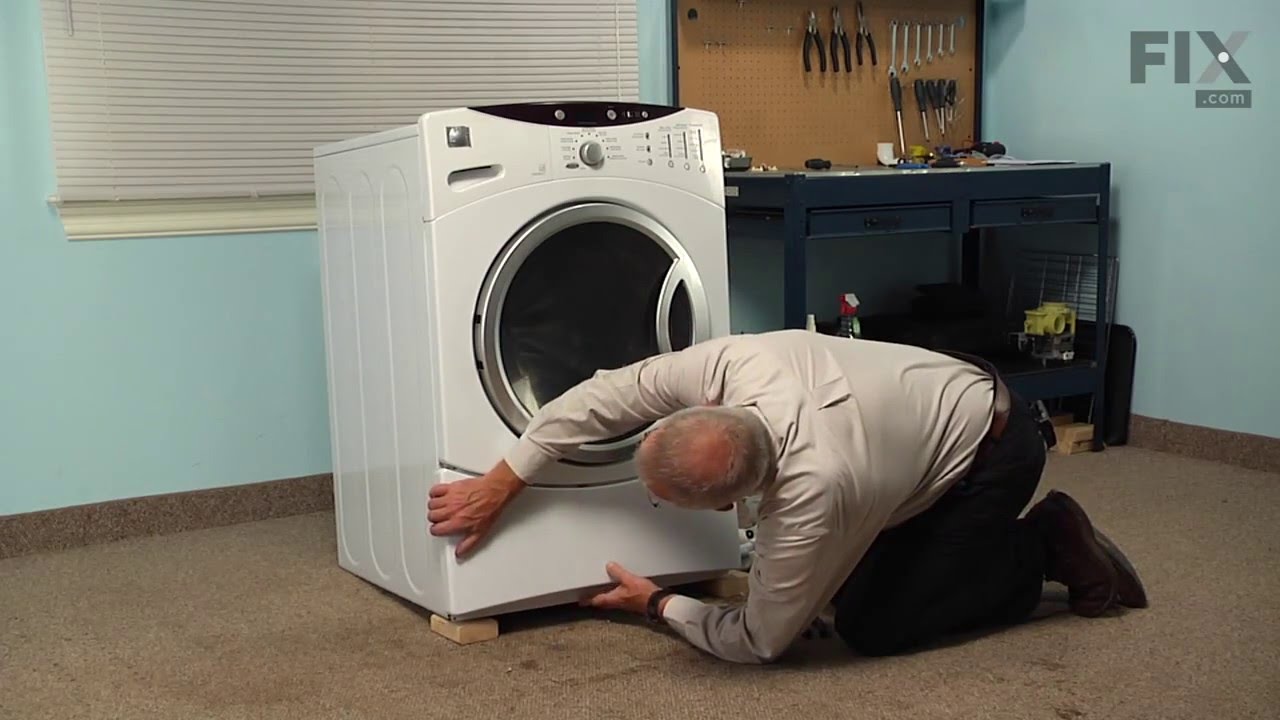
See how others fixed this model. Time, tools, difficulty, and steps that lead to victory!
View More