













QNE27JSMAFSS General Electric Refrigerator - Instructions
Keep searches simple. Use keywords, e.g. "leaking", "pump", "broken" or "fit".
Refrigerator not defrosting, ice tray clogging up in ice tray, refrigerator making loud humming noise, and compressed running all the time.
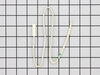
First, turn off power - since I did not want to pull the refrigerator out on my wood floor I tripped the circuit breaker to that circuit and opened door to make sure interior light was off (ensuring power was off). This unit has a bottom freezer, I took out all shelves, ice maker and all parts in the way of accessing back of interior of freezer section. Removed back plastic section by removing one screw in middle top of back panel and prying it out. This was a bit difficult as it was in there a bit tight but once the plastic warmed up it pulled out ok. This revealed the compressor section and temp sensor that was attached to the copper coils with of all things - a zip tie! In pictures of this that I looked at on various web sites the sensor was on a metal bracket attached to the coil so it made me wonder if tf the factory took a shortcut? I cut the old sensor wire, stripped the two wires 1/2", and connected them to the new sensor wire with butt connectors, I put some silicone into the ends of the butt connectors to prevent moisture from entering into connectors and wrapped the connection in black electrical tape. I then "attached" the sensor to the coil using a zip tie, put the plastic back piece back on, inserted everything I took out and put power back to refrigerator. It's been 3 days and temp of refrigerator is stable, ice maker not clogging up, and compressor not running all the time! So far so good.
Parts Used:
-
Mark from ROSEMOUNT, MN
-
Difficulty Level:A Bit Difficult
-
Total Repair Time:30 - 60 mins
-
Tools:Screw drivers
2 of 3 people
found this instruction helpful.
Was this instruction helpful to you?
Thank you for voting!
Replacing Ice Maker in GE French Door Bottom Freezer Fridge
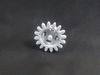
The best instructions were several YouTube videos for replacing icemakers on GE french door bottom freezer refrigerators, but none fully described the process. The following difficulties were encountered: (1) Instructions for removing the freezer door showed three screws on each side that needed to be removed; in fact, there was only one screw on each side. It was smaller than the three depicted screws and its location was not exactly as shown in the videos. (2) None of the instructions adequately described the process for removing the mounting plate from the nonfunctioning icemaker so it could be attached to the replacement unit. The key was to forcibly pry open the cover over a screw that then needed to be loosened with a screw driver. It seemed that I risked breaking the unit when I tried to slide the tab, but it eventually moved and revealed the screw that was holding the original mounting plate in place. (3) Replacing the freezer door required lining up some metal studs with slots in the undercarriage; you need to get down on the floor to examine how this fits back together. (It might help to take some photos before removing the freezer door.) (4) Replacing the upper drawer was perhaps the trickiest. My first effort resulted in having the rod with gear pinions on each end pop out because some of the tabs holding the gear pinions on each end broke. That meant that I had to order two replacement gear pinions (left and right are identical). Then, as with the freezer door, it was necessary fo slide metal studs on each side into a vertical slot leading to a horizontal slot in order to seat the upper drawer properly. So the whole process took a few weeks; actual work time was perhaps 3-4 hours. This could have been shortened significantly had I taken photos as I disassembled everything and if the procedure for moving the mounting plate had been clearer (or even existing). All in all, though, this is a doable DIY project.
Parts Used:
-
David from WOODSTOCK, NY
-
Difficulty Level:Difficult
-
Total Repair Time:More than 2 hours
-
Tools:Screw drivers, Socket set
1 person
found this instruction helpful.
Was this instruction helpful to you?
Thank you for voting!
Refrigerator kept shutting off
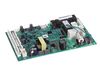
Pulled the fridge out. Removed the back panel over the mother board. Removed and replaced. Easy peasy and working well.
Parts Used:
-
Michelle from LAWTON, PA
-
Difficulty Level:Really Easy
-
Total Repair Time:30 - 60 mins
-
Tools:Screw drivers
2 of 4 people
found this instruction helpful.
Was this instruction helpful to you?
Thank you for voting!
Refrigerator not getting cold
-
Dan from COLUMBIA, SC
-
Difficulty Level:Really Easy
-
Total Repair Time:15 - 30 mins
-
Tools:Pliers, Socket set
1 person
found this instruction helpful.
Was this instruction helpful to you?
Thank you for voting!
The control board generated clicking noise. Temperature display wrong values.
On the internet forum I read that if the control board needs to be changed , do the same for the Run Capacitor/relay.
The Ge profile refrigerator was 15 years old. First I disconnect the power cord,
I removed the control board at the back of the fridge, replaced it with a new one and did the same for the run capacitor.
Plugged the power cord back and it works fine. GE repair service did not want to come to do it. DIY is fine.
The Ge profile refrigerator was 15 years old. First I disconnect the power cord,
I removed the control board at the back of the fridge, replaced it with a new one and did the same for the run capacitor.
Plugged the power cord back and it works fine. GE repair service did not want to come to do it. DIY is fine.
Parts Used:
-
QUOC-LOC from LYNN HAVEN, FL
-
Difficulty Level:Really Easy
-
Total Repair Time:30 - 60 mins
-
Tools:Screw drivers
1 of 2 people
found this instruction helpful.
Was this instruction helpful to you?
Thank you for voting!
Freezer working but fridge not cooling.
Totally followed the instructions of the video that came with the sensor. Unplugged the the fridge, defrosted the freezer. Cut off the main sensor that usually is the one that goes out. Installed the the new sensor with new wire terminals, crimped them and covered with electrical tape. Fridge works like a charm. Partsselect is excellent. Saved me a few hundred dollars versus having a GE Tech come and do it.
Parts Used:
-
Kent from Bartlesville, OK
-
Difficulty Level:Really Easy
-
Total Repair Time:15 - 30 mins
-
Tools:Socket set
1 of 2 people
found this instruction helpful.
Was this instruction helpful to you?
Thank you for voting!
Food section of fridge always warm
Located temperature sensor on condenser in the freezer section( as per instructional video ). Cut off bad sensor with wire cutter then soldered on the new sensor and sealed with electrical shrink wrap.
Parts Used:
-
Troy from Dacula, GA
-
Difficulty Level:Easy
-
Total Repair Time:15 - 30 mins
-
Tools:Pliers, Socket set
Was this instruction helpful to you?
Thank you for voting!
freezer no cold enought
as per video- follow all of the videos and u r going to save a lot of money tx partselect im glad I found u guys ps only order from partselect.com they only ship the correct parts remember look at the video select the symptom and buy as per video tx again problemsolved
Parts Used:
-
John J. from Deland, FL
-
Difficulty Level:Really Easy
-
Total Repair Time:15 - 30 mins
-
Tools:Nutdriver, Pliers
Was this instruction helpful to you?
Thank you for voting!
The refrigerator was making load and unusual noises.
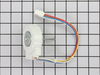
I identified the noise was coming from the coils / and the fan. Cleaning the fan helped reduce the noise a bit but it still kept recurring. I ordered the part, which was really easy using the diagram on the website. The instructions and the video were really helpful and was able to remove the old motor and replace it with the new one with relative ease. While there I cleaned the fan blade and vacuumed the surrounding area. This whole repair went quite smoothly and has given me the confidence to take on other repairs before calling out the repairman.
Parts Used:
-
Ajaykumar from Plainsboro, NJ
-
Difficulty Level:Easy
-
Total Repair Time:15 - 30 mins
-
Tools:Pliers, Screw drivers
Was this instruction helpful to you?
Thank you for voting!
extreme frost build up inside in back of freezer,also veggies were freezing in the fridge draw
no brainer,watched the video,worst thing was to thaw the freezer,it was realy frosted,works like new,very happy thank you.
Parts Used:
-
larry from lisbon, ME
-
Difficulty Level:Really Easy
-
Total Repair Time:15 - 30 mins
-
Tools:Screw drivers
Was this instruction helpful to you?
Thank you for voting!
Refrigerator freezing.
Temp. Sensor was under an egg shaped cover on the left side wall in the refrigerator. Remove the cover, cut the two wires to the old sensor and remove it. Connect the new sensor to the two wires using butt connectors. Replace cover and done.
Parts Used:
-
Wayne from Rancho Cordova, CA
-
Difficulty Level:Really Easy
-
Total Repair Time:Less than 15 mins
Was this instruction helpful to you?
Thank you for voting!
Fridge wouldn't keep temp
My son replaced both temperature sensors and the fridge works great now!!! Like brand new again!!!!
Parts Used:
-
Richard from Nesquehoning, PA
-
Difficulty Level:Really Easy
-
Total Repair Time:Less than 15 mins
Was this instruction helpful to you?
Thank you for voting!
Fridge/Freezer getting too warm
What an awesome site! After putting in my model number and finding the problem I was having, I simply picked the 2 parts that were most likely to solve the problem. I bought a defrost thermostat, and defrost heater. To a high certainty, they would solve my problem. They didn't however! I ended up having to buy a temperature sensor on another order a few weeks later when the problem resurfaced! My own fault. I should have bought it the first time. As others have written: the longest part of the job is defrosting the ice from the coil. One thing I did that I didn't see suggested: plug the drain hole below the coil. I put a couple towels in the bottom of the freezer and ran the hair dryer. Didn't take long. I read that the amount of water created will overflow the pan under the refrigerator, so I plugged the drain hole. Once you clean that mess up, the repair is pretty straight forward. Great site. Even through I had to make two separate purchases, I still saved a lot of money. Thanks!
Parts Used:
-
Nick from Burnt Cabins, PA
-
Difficulty Level:Easy
-
Total Repair Time:1- 2 hours
-
Tools:Screw drivers, Socket set
Was this instruction helpful to you?
Thank you for voting!
Refridgerator not cooling, freezer frosting over
First, I had to remove the freezer drawer front. This is 8 large phillips head screws. then remove the plastic cover over the drawer slides. to do this, remove the white center screw from the slide near where it attaches to the drawer front. then the plastic cover will slide off pushing to the rear of the slide. take off the slides from the freezer walls by removing the phillips screws and pulling them towards you. They have tabs/slots in the rear. remove the center tray support and support bars, too. the icemaker has to come out, that is just 2 phillips screws but you also have to disconnect the electrical connector. just squeeze the locking wings and rock/pull. a screw in the top center of the back panel comes out. Lift and pull the back panel out. The evaporator coil appears. The thermocouple is attached to the coil in the upper right. Cut that one's wires and take it out. Just cut back about an inch from the back of the thermocouple, there is not much slack. Seperate and strip the wires back about 3/8 inch. Do the same for the new thermocouple. I twisted the wires together and used a solder sleeve to join the wires. The sleeve is just a little plastic tube that has a ring of solder in it that melts with heat gun heat. You can join the wires using butt connectors or whatever method appeals to you. I just wound the extra wire and put a cable tie around it, there is plenty of hiding space in that area. Make sure the new thermocouple is contacting the coil firmly.At this point, for a test, I left everything apart, propped the drawer against the opening and plugged the fridge in. Note that the evaporator fan will not start spinning immediately! It will just sit there making little bumps like it wants to go. The temp in the coil has to get settled before the electronics in the refridge will tell the fan to spin. It takes maybe 20 minutes. Reassemble. Fridge and freezer work great. It does take several hours for all to get cold again.
Parts Used:
-
Bill from Warrenton, VA
-
Difficulty Level:A Bit Difficult
-
Total Repair Time:1- 2 hours
-
Tools:Screw drivers
Was this instruction helpful to you?
Thank you for voting!
Condenser fan not working. Freezer & frig heating up
Very limited working space in this model. Must remove grill and disconnect elect connector on motor. One additiional tool suggested: Extendable rod with magnet on end because you will most likely drop something. First, remove two screws holding motor to metal strap. Tool must be inserted between blades of fan in order to get to the screws and this is the hard part. Fan and motor are removed as one assy and this takes some manuvering. Might have to remove front screw on metal strap to gain more room. I did not attempt to remove fan shroud. My fan was attached to the motor shaft with a metal clip. Spray a good lubricant such as PB Blaster on the shaft, wait a few minutes and press it or tap it out gently. Save misc parts on old motor for reassembly. Your set up may be different so check out everything before starting.
Parts Used:
-
Edward from New Smyrna Beach, FL
-
Difficulty Level:A Bit Difficult
-
Total Repair Time:1- 2 hours
-
Tools:Socket set, Wrench set
Was this instruction helpful to you?
Thank you for voting!