


11021492311 Kenmore Washer - Overview
Sections of the 11021492311
[Viewing 6 of 6]Keep searches simple, eg. "belt" or "pump".
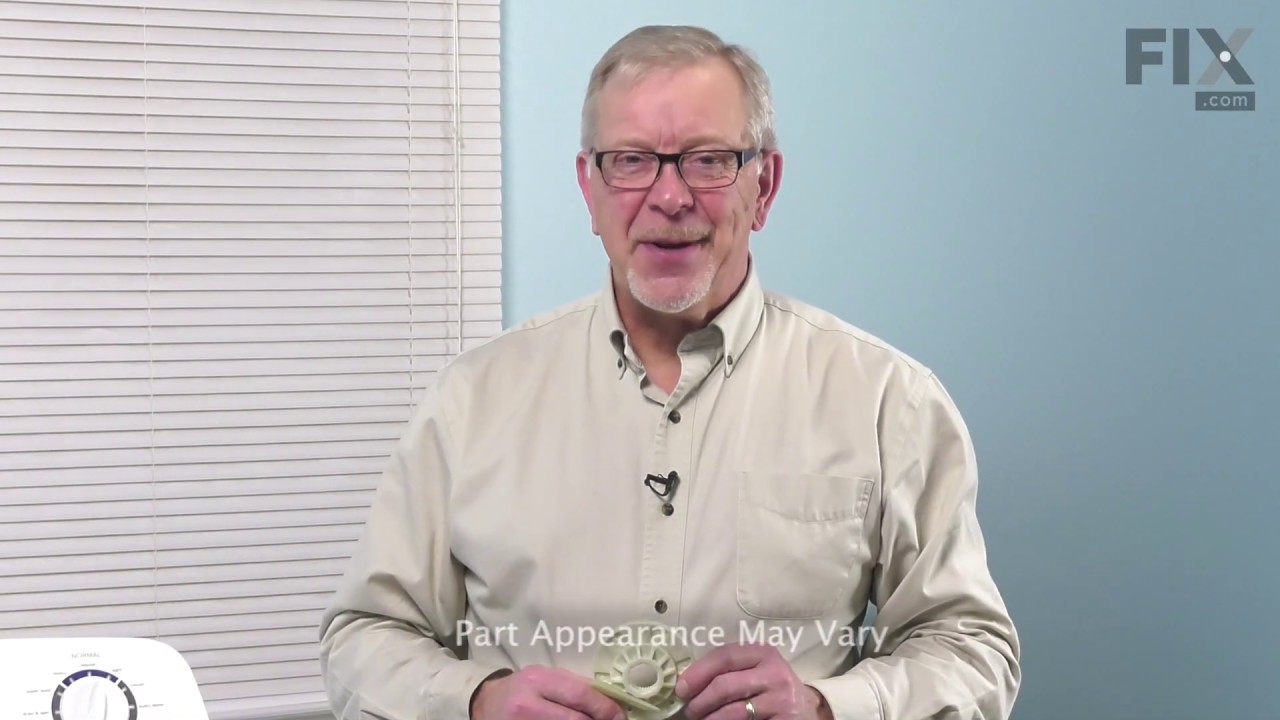
Drive Hub Kit
PartSelect #: PS6012095
Manufacturer #: W10528947
This basket drive hub kit is a vital component in select washing machines, designed to connect the wash basket to the central drive shaft, enabling proper rotation during wash and spin cycles. It play...
$27.36
In Stock
Washer Washer
PartSelect #: PS11742027
Manufacturer #: WP3949550
This part goes on the agitator retaining bolt.
$12.85
In Stock
Screw, 8-16 x 1.000
PartSelect #: PS11746167
Manufacturer #: WP8533953
Sold individually.
$7.47
In Stock
Dryer Screw
PartSelect #: PS11748297
Manufacturer #: WPW10109200
11-16 x 3/4 Sold individually.
$7.47
In Stock
Washer Sealtub
PartSelect #: PS3407958
Manufacturer #: W10324647
Introducing the Whirlpool Washer Tub Seal - a reliable and genuine OEM part. Ideally positioned in the center of the outer tub at the transmission basket drive shaft, this tub seal is essential for ma...
$61.55
In Stock
Surface Element
PartSelect #: PS12348067
Manufacturer #: W11168414
This 6-inch electric coil surface element delivers 1250 watts of heat for consistent, even cooking. It features pigtail (looped) connections for a secure fit and easy installation. Designed with a bla...
$80.82
In Stock
Washer Suspension Rod Kit
PartSelect #: PS11703287
Manufacturer #: W10780044
The suspension rod kit supports the washtub and keeps it stable during unbalanced loads.
$100.54
In Stock
Ring Tub
PartSelect #: PS11756241
Manufacturer #: WPW10556325
Introducing the Upper Outer Tub Ring, an authentic OEM part from the prestigious brand, Whirlpool. This essential piece is designed with precision for compatibility with select models of Whirlpool, Ki...
$92.98
In Stock
Questions And Answers for 11021492311
Be the first to ask our experts a question about this model!
✖
Ask a Question
Ask our experts a question on this model and we'll respond as soon as we can.
Sorry, we couldn't find a match for "".
Here's a guide for finding your model number.
Something went wrong. Please try again later.
Your Question Has Been Submitted!
Our experts will send you an email as soon as your question has been answered.
Common Symptoms of the 11021492311
[Viewing 7 of 7]Will not agitate
Fixed by
these parts
these parts
Show All
Spinning Issues
Fixed by
these parts
these parts
Show All
Shaking and Moving
Fixed by
these parts
these parts
Show All
Leaking
Fixed by
these parts
these parts
Show All
Spins slowly
Fixed by
these parts
these parts
Show All
Will not drain
Fixed by
these parts
these parts
Show All
Noisy and Marks Left on Clothes
Fixed by
these parts
these parts
Show All
Keep searches simple. Use keywords, e.g. "leaking", "pump", "broken" or "fit".
Hub had warn its grooved teeth off and washer wouldnt agitate
ordered hub and it shipped quickly. I was able to put the hub in place and screw the screws in. you want to tighten them down slowly and go around to each screw tightening a little at a time so you don't break the hub. as you tighten the screws down the hub slides down flush. its impossible to just push the hub on with your hand. Buttoned
... Read more
it back up and got caught up on laundry. good day when the washer is fixed.
Read less
Parts Used:
-
Allison from RICHFORD, NY
-
Difficulty Level:Easy
-
Total Repair Time:15 - 30 mins
-
Tools:Screw drivers
65 of 90 people
found this instruction helpful.
Was this instruction helpful to you?
Thank you for voting!
Waher would not spin and made noise
Removed center cap, loosened center nut, pry lightly up on center plate and tap center nut. Center plate comes loose, remove nut, remove center plate. Pry lock clip out and remove, remove screw with electric impact (screw drive will work, but slower), remove drive hub. Install new drive hub (be sure to check screw hole alignment), install
... Read more
and tighten screws (be sure to follow a skip pattern and bring it down even), install lock clip, install center plate, install and tighten nut, replace center cap. Done!
Read less
Parts Used:
-
Andrew from SYLVANIA, OH
-
Difficulty Level:Very Easy
-
Total Repair Time:Less than 15 mins
-
Tools:Screw drivers, Wrench (Adjustable)
24 of 28 people
found this instruction helpful.
Was this instruction helpful to you?
Thank you for voting!
washer not agitating
This was a learning experience but it appears to have worked out in the end. Our 3 1/2 year old washer was not agitating much and I attributed that to a loose bolt. I would tighten the bolt and it would work ok for a load or two and then stop agitating. I would find that the bolt was loose again. I took a number of steps to try to get
... Read more
the bolt to stay on tight - threadlock, a new bolt, more threadlock, and applying progressively more force on the bolt, with no better results. Yet the repair guys on you tube were saying the bolt only needs to be snug, not super tight - something was amiss. I even went so far as to secure the basket with a rope so I could use two hands on the socket wrench (please don't do this). But when I tried the washer again there was no agitation at all! I observed the agitation output in manual test mode and the bolt was turning in lock step with the shaft but the agitator wasn't turning at all. That's when I suspected that the problem was actually a worn lower agitator. Trouble was that now I couldn't seem to get the bolt off. Turning the wrench caused the shaft itself to rotate so I couldn't loosen the bolt from the shaft. I thought I broke the washer. Then I considered that maybe the shaft was rotating because the washer was in an agitation mode when I turned it off. I went back into manual test mode, made the washer spin, then turned it off. Fortunately, this worked. The shaft was again stationary and, albeit with great difficulty, I got the bolt off.
I removed the agitator, and as a pro would have figured out long before, the ridges inside the top of the lower agitator were almost completely worn down. I realized then that the contact between these ridges and the splines on the shaft is what is supposed to cause the lower agitator to move with the shaft. The purpose of the bolt is just to keep the agitator in the correct position and from coming off the shaft. I had been trying to compensate for the worn agitator ridges by over-tightening the bolt, creating some contact at the top of the shaft. This would work for a little while, then the agitator would start slipping, and the slipping agitator was acting just like a wrench loosening the bolt (until my stupid rope trick, that is.)
So I ordered a new agitator (only the lower agitator was bad, but the price of an entire agitator isn't a lot more than just the lower part and I was reading that the upper agitator parts will wear over time) and another new bolt (because my repeated attempts to over-tighten the first one I ordered had split the rubber gasket apart and worn the bolt head).
The new agitator fit snugly on the splines of the shaft so I sensed no need to use excessive force on the bolt. Just an easy one-handed snug tightening with the socket wrench, using the other hand to hold the lower agitator. The washer is now working again.
I removed the agitator, and as a pro would have figured out long before, the ridges inside the top of the lower agitator were almost completely worn down. I realized then that the contact between these ridges and the splines on the shaft is what is supposed to cause the lower agitator to move with the shaft. The purpose of the bolt is just to keep the agitator in the correct position and from coming off the shaft. I had been trying to compensate for the worn agitator ridges by over-tightening the bolt, creating some contact at the top of the shaft. This would work for a little while, then the agitator would start slipping, and the slipping agitator was acting just like a wrench loosening the bolt (until my stupid rope trick, that is.)
So I ordered a new agitator (only the lower agitator was bad, but the price of an entire agitator isn't a lot more than just the lower part and I was reading that the upper agitator parts will wear over time) and another new bolt (because my repeated attempts to over-tighten the first one I ordered had split the rubber gasket apart and worn the bolt head).
The new agitator fit snugly on the splines of the shaft so I sensed no need to use excessive force on the bolt. Just an easy one-handed snug tightening with the socket wrench, using the other hand to hold the lower agitator. The washer is now working again.
Read less
Parts Used:
-
David from EAST AMHERST, NY
-
Difficulty Level:Easy
-
Total Repair Time:15 - 30 mins
-
Tools:Socket set
19 of 20 people
found this instruction helpful.
Was this instruction helpful to you?
Thank you for voting!