














Chainsaw Chain Comes Off Bar
About this repair:
- Rated as REALLY EASY
- 2 step by step videos
Guide Bar or Chain
A damaged bar or chain can create serious safety hazards by causing the chain to derail or come loose during operation, increasing the risk of injury to the operator or others nearby. The guide bar contains a narrow groove along its outer edge, bordered by raised edges known as rails, which help guide and align the cutting chain. The chain has small teeth on its underside, called drive links, that fit into this groove and travel between the rails to maintain proper alignment. If the bar is bent, worn, or clogged with debris, or if the chain is stretched or damaged, this alignment can be lost, raising the chance of the chain coming off. Regular maintenance of both the bar and chain is essential for safe and effective use.
To inspect the bar, turn off the machine and disconnect the power source or spark plug. Remove the chain cover, chain, and the bar itself. Carefully examine the rails, which are the raised edges along the perimeter of the bar. They should be free of sawdust, dirt, or buildup, which can interfere with chain movement. Clean them using a soft brush or compressed air. Check for wear, nicks, or shallow spots in the rails that might prevent the chain from seating correctly. If the rails are excessively worn or misshapen, the bar should be replaced to maintain safe operation.
Keeping your chain oiler in proper working order is key to extending the life of your bar and chain. The oiler provides essential lubrication that reduces friction and prevents overheating. Always check that oil is flowing properly and the reservoir is full.
If the chain has broken or chipped teeth, or doesn’t fit back into the bar rails securely, it likely needs replacement. Minor damage can sometimes be repaired with a flat file, but only if the chain is otherwise intact. Ensure the chain fits snugly in the bar groove and that the drive links, which keep it aligned, are not worn down. Worn or poorly fitting chains can derail and should be replaced.
Tensioner
If your chain is too loose, it can easily come off the guide bar during operation, which poses a serious safety hazard. To avoid this, always adjust the chain to the proper tension before starting the machine. During the first hour of use, check the chain tension every 20 minutes, as new chains can stretch slightly. The chain should fit snugly against the bar without sagging and should not be able to be pulled more than half an inch away from the bar.
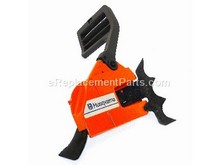
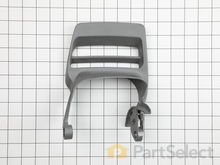
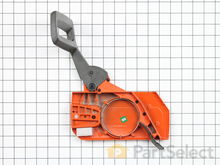
If the tensioner on your chainsaw breaks or if the adjustment screw becomes stripped, you may lose control over the chain’s tension. To inspect the tensioner, first remove the chain cover, then take out the tensioner assembly. Examine the screw and tension gear for wear, damage, or stripping. These components are generally easy to access and inspect.? If any damage is found, replace the tensioner using the part number listed in your user manual to ensure proper fit.
Maintaining proper chain tension and a working tensioner is crucial for both the safety and efficiency of your chainsaw.


More Repair Parts
Still not sure which part is broken? We can offer you custom troubleshooting help if you search with your model number.