


 My Orders




LWS34AW-PLWS34AW Speed Queen Washer - Overview

Enter a part description. DIY Heroes keep it simple, eg. "belt" or "pump".
Search filter:
Clear Filter
Your search term must have 3 or more characters.

$12.85
In Stock
Retaining Ring
Part #WP23748
The metal retaining ring, which is under an inch long, holds the rear wheels on the axels of the dryer. The main reason why it would need to replaced is if the retaining ring has sprung out of place or is damaged. Some the symptoms could be that your dryer does not tumble, it makes a loud buzzing noise, or if it pumps, but will not spin. ...Read moreThe tools needed for this project are a putty knife, 5/16 nut driver, and snap ring pliers. Refer to the installation video and diagram for further instructions and guidance. Customers ranked this replacement project as easy.
Read less

$7.47
In Stock

$21.45
In Stock
Screw
Part #W11233072
This is a multi-use and multi-appliance screw. It can be used on a microwave, refrigerator, range/oven, air conditioner, dehumidifier, washer, or dryer. The measurements of this screw are 8 x 1/2 inch. It has 6 threads. Refer to the manual provided by the manufacturer for further information on repair and accurate guidance. Remember to wear work gloves as a safety precaution.

$7.47
In Stock

$49.50
In Stock
Spin Belt
Part #WP27001007
This v-shaped spin belt helps transfer power from the motor to the transmission to help pump the water in and out of the washer. It also helps runs the spin cycle in the washer.

$7.47
In Stock
Washer Hose Clamp
Part #WP596669
This hose clamp is used in a wide variety of household appliances. Most often it is found in washers, dishwashers, refrigerators, freezers, dehumidifiers, garbage disposals, or air conditioners. This clamp is used to securely attach a hose to another part of your appliance, which helps prevent leaks from those connections. Depending on th...Read moree appliance, it can attach hoses to drain pumps, water inlet valves, pressure switches, and injector nozzles. We recommend you refer to model-specific diagrams for appropriate uses and exact placement. This hose clamp is made of metal, and is sold individually. To access and replace this part you will need a nut driver, pliers, and screwdrivers. Before you begin any repair work, make sure you have unplugged your appliance, and shut off the water supply if applicable.
Read less

$17.15
In Stock
Adjustable Leveling Leg
Part #22003428
If your washer shakes or vibrates loudly when it reaches its max speed, make sure the 4 levelling legs are even. Adjust the legs so that the machine is level, and tighten the locking nuts on the legs that are threaded. Your washer should be kept as close to the floor as possible. Your model might have rear legs that level themselves, or i...Read moret might have threaded legs all around. Make sure the rubber feet have not worn out. Replace any missing or damaged legs and feet. This genuine OEM replacement part is sold individually, so be sure to order the amount you need.
Read less

$53.20
In Stock
Idler Pulley Wheel
Part #WP40045001
This wheel has a center metallic bearing. A dryer's idler pulley wheel serves to help the belt to rotate the drum.

$9.62
In Stock
Hose Clamp
Part #WP285655
The hose clamp is used to hold the water hose in place which will prevent the hose from leaking water. Sometimes the clamp may lose its ability to latch on, causing a leaking washer. For the installation, you will need a flat head screw driver to replace the clamp and a drill to access the screws to remove the front of the washer. Be care...Read moreful if you do not have specific clamp pliers as the clamp could fly off. Once the front of the washer has been removed, take a quick look for water damage or any obvious signs of where the leak is coming from. If it is not obvious, run water to test.
Read less

$20.36
Special Order
Affresh Washing Machine Cleaner - 3 pack
Part #W10135699
Affresh Washing Machine Cleaner includes three slow-dissolving tablets that help remove odor-causing residue from inside the washer. Suitable for all washer brands, including high-efficiency (HE) machines, the formula is also septic-safe. Place one tablet directly in the empty wash basket and run the Clean Washer cycle, or use a normal cycle with hot water. Use monthly or every 30 wash cycles for best results.

$7.47
In Stock
Lid Hinge Mounting Screw
Part #WPW10119828
Sold individually. NOTE: The color on the screw may not be the same as the image, but will still function the same.

$55.29
In Stock
Drain Hose with Rubber Elbow
Part #WP40053901
This hose attaches to the pump to help remove the water out of the washer. 7 feet in length.
Common Symptoms of the LWS34AW-PLWS34AW
How this model fails, and the parts that fix it.
Noisy
Fixed by
these parts
these parts


Show All
Leaking
Fixed by
these parts
these parts


Show All
Burning smell
Fixed by
these parts
these parts


Show All
Will not agitate
Fixed by
these parts
these parts
Show All
No hot or cold water
Fixed by
these parts
these parts

Show All
Spins slowly
Fixed by
these parts
these parts
Show All
Will not drain
Fixed by
these parts
these parts
Show All
Watch our pros, then fix it yourself.
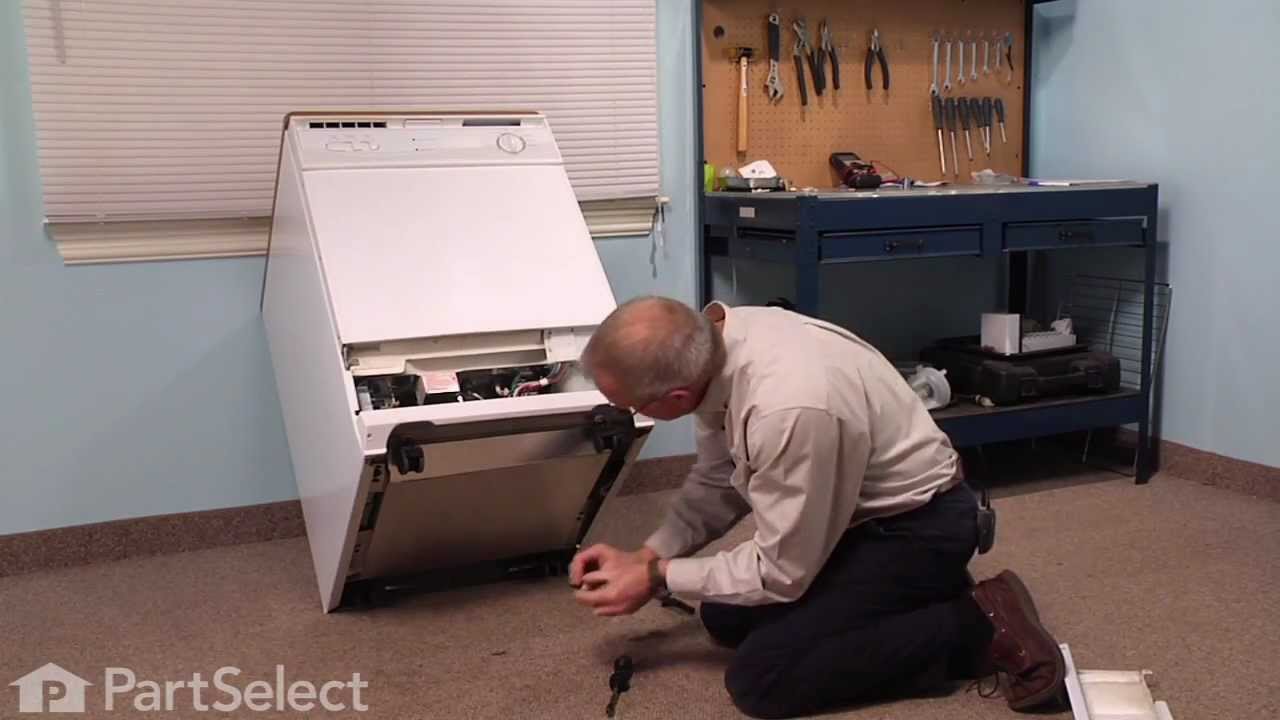

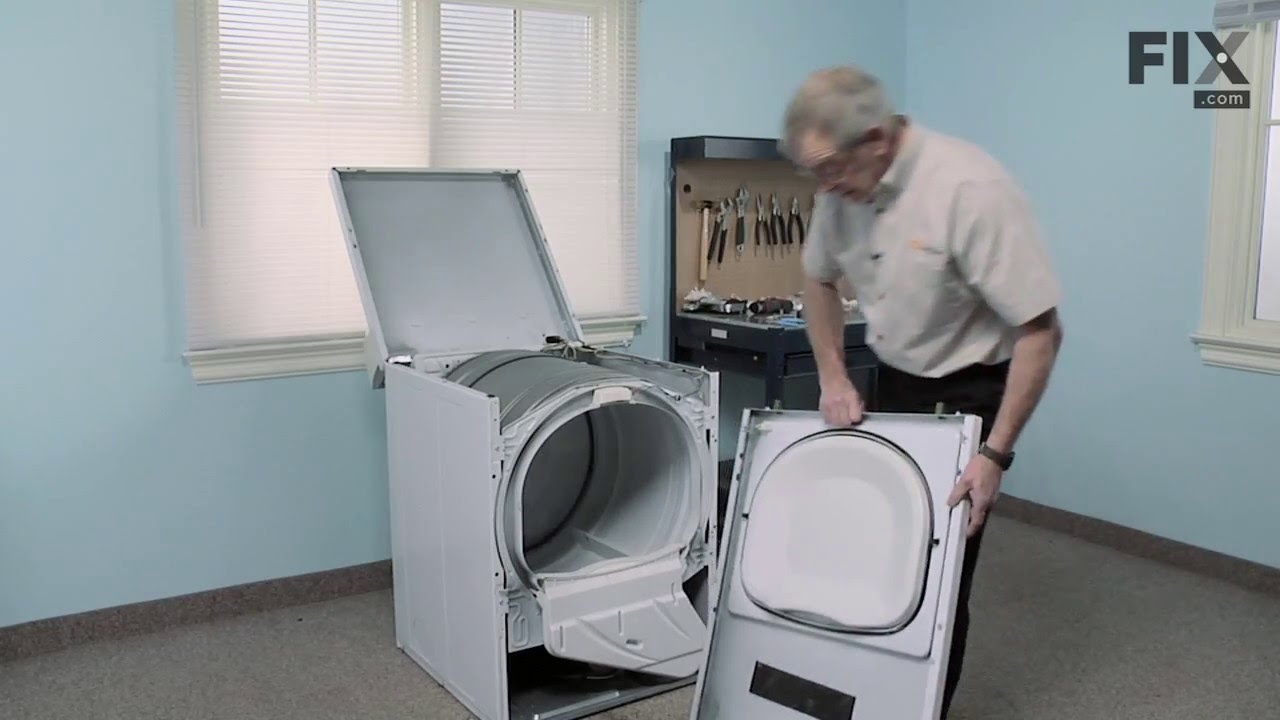
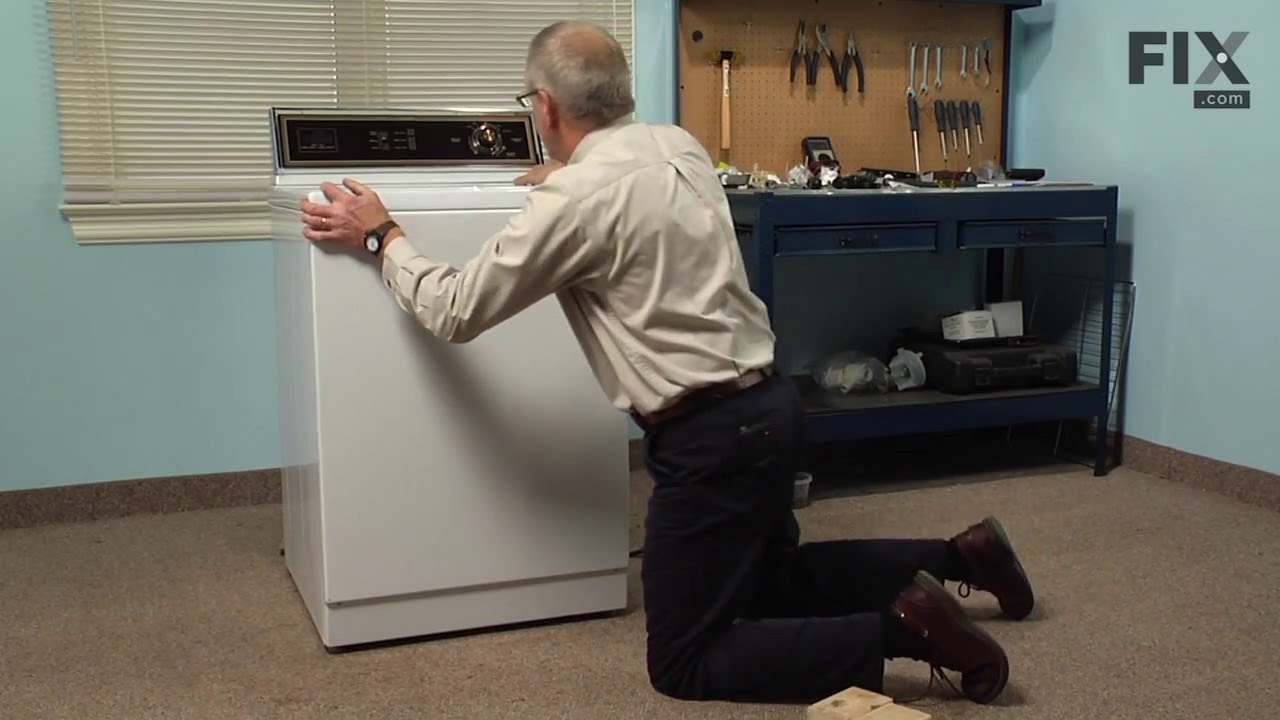
See how others fixed this model. Time, tools, difficulty, and steps that lead to victory!
View More
Search repair tips from other customers using simple keywords like "replace", "fit", "remove", "inspect". DIY doesn't mean you have to do it alone!
Search filter:
Clear Filter
Your search term must have 3 or more characters.
Noisy during spin cycle
102 of 115 people
found this instruction helpful.
This was the second time for the repair. The original bearing lasted 5 years then became noisy. Replaced it, and the unit worked great 5 more years and the noise came back. So I knew exactly what needed fixing what to order, parts wise. This is not a project for the faint of heart, you will completely disassemble your washer to change
... Read more
out the main bearing. Roughly here are the steps: 1, pull out the agitator with a good firm jerk up. 2, remove the rubber plug in the center of the drive hub, 3 remove the bolt you have just exposed. 4, pry up on the hub, use a puller if you have to to remove it. 5, pry off the cone shaped rubber seal and remove the large main nut from the drive shaft. 6, remove the 4 bolts holding tub, 7 remove the front panel and unscrew the front of the top panel, tip the top up. 8, lift out the tub, 9, remove the 6 large springs holdig the inner assembly to the base, 10, disconnect the water to tank hose and the fill level hose, 11, disconnect the motor cable at the motor, 12, free up the drain hose and pull it, 13, have a helper lift the inner assembly out and move it to a work area, 14, unbolt the drum from the base, motor, and counter weight 15, pry the drive hub off the transmission shaft, 16, remove the rubber seal from the drum, 17 flip the drum and remove the 3 bolts holding the bearing in place. Reverse to put it back. These steps are from memory so they may not be exact. The exploded views on PartsSelect.com web help, as to the instructions that come with the parts.
Read less
Other Parts Used:


Was this helpful?
Thank you for voting!