


 My Orders




L9845XUB Norge Wall Oven - Overview


Enter a part description. DIY Heroes keep it simple, eg. "belt" or "pump".
Search filter:
Clear Filter
Your search term must have 3 or more characters.

$19.54
In Stock
Light Bulb - 40W
Part #8009
This an authentic OEM 40-Watt replacement light bulb, used in a number of household appliances. It is specially designed to withstand extreme temperatures, which is why these replacement bulbs are most often used to light the inside of refrigerators and ranges. It features a standard socket base, which means you simply unscrew the burnt-o...Read moreut bulb and screw in the replacement. Depending on the appliance you may require a screwdriver or nut driver to access the light bulb. We recommend you wear work gloves while handling this replacement part. It is constructed of glass and metal and is sold individually. Depending on the appliance and location of the bulb within it, you may want to consider disconnecting power and using a flashlight for easier access to unscrewing and re-screwing in your bulb during this repair.
Read less

$43.18
In Stock
Long Oven Sensor
Part #12001656
This long oven sensor is also commonly known as a temperature sensor. It is designed for use with ovens and ranges. It is similar to a thermostat; it measures and regulates the internal temperature of your oven cavity. There is an adapter at one end, a probe at the other, and they are connected by an insulated wire. The probe is approxima...Read moretely 7 inches long. You can test the sensor with a multi-meter for functionality. You need to check the model-specific manual to determine what the proper resistance is for your specific appliance. This oven sensor comes with two wire harness adapters and a set of instructions.
Read less

$49.50
In Stock
Range Bake Element
Part #WPY04000066
The bake element is the heating element that is found at the bottom of the oven and is responsible for 90 percent of the bake heating. This spade style bake element is 16 inches wide, and connects with push-on wire terminals. It has a terminal depth of three inches and a total element length of nineteen inches. You may need to replace the...Read more heating element if your oven produces little to no heat, the oven will not heat evenly, or the element will not heat at all. This element comes with an instructions sheet and is intended for use with electric ovens. To see if this part will fit your oven, please check the list of compatible brands below.
Read less

$21.45
In Stock
Screw
Part #W11233072
This is a multi-use and multi-appliance screw. It can be used on a microwave, refrigerator, range/oven, air conditioner, dehumidifier, washer, or dryer. The measurements of this screw are 8 x 1/2 inch. It has 6 threads. Refer to the manual provided by the manufacturer for further information on repair and accurate guidance. Remember to wear work gloves as a safety precaution.

No Longer Available
Oven Rack
Part #71003346
This oven rack is sold individually. The functionality of the oven rack is to provide a reliable cooking surface for cookware inside your oven. This specific oven rack is roughly eighteen inches wide and seventeen inches deep. You will find from the image provided that this oven rack is silver in color. Users have ranked this installation...Read more process as easy, and that it will take you less than fifteen minutes to complete. In order to install your oven rack make sure that your range has been turned off and cooled down. No tools are required to install this oven rack.
Read less

$57.38
In Stock
Range Light Cover Lens
Part #WP9781049
The light cover lens in your oven is designed to protect the light bulb. If your light cover lens is damaged, you will need to replace it. This part is made of clear glass and is roughly 3 inches in diameter. Many of our customers have rated this repair as easy, and it should take less than 10 minutes to complete. In order to do this repa...Read moreir, simply unscrew the old light cover lens, and replace it with the new one. If your old light cover lens is damaged, be careful of any broken glass when completing this repair.
Read less

$17.15
In Stock
Clock Knob - black
Part #WP7711P492-60
The clock knob attaches to the center of the oven control panel and is used to adjust the built-in clock. This clock knob is less than an inch in diameter. It is all black in color and is made of plastic. This knob will accept a D-shaped shaft. It is worth noting that the clock knob does not work in place of the temperature knob, as they ...Read moreare designed differently. Many of our customers described this repair as easy. To complete the repair, simply pull off the damaged knob and replace it with the new one.
Read less

$7.47
Special Order

$8.55
In Stock

$7.47
In Stock

$91.43
In Stock

$23.60
Special Order
Common Symptoms of the L9845XUB
How this model fails, and the parts that fix it.
Little to no heat when baking
Fixed by
these parts
these parts


Show All
Element will not heat
Fixed by
these parts
these parts

Show All
Oven is too hot
Fixed by
these parts
these parts
Show All
Oven not heating evenly
Fixed by
these parts
these parts
Show All
Will Not Start
Fixed by
these parts
these parts
Show All
Touchpad does not respond
Fixed by
these parts
these parts
Show All
Will not program
Fixed by
these parts
these parts
Show All
Little to no heat when broiling
Fixed by
these parts
these parts
Show All
Door won’t open after self cleaning cycle
Fixed by
these parts
these parts
Show All
Watch our pros, then fix it yourself.
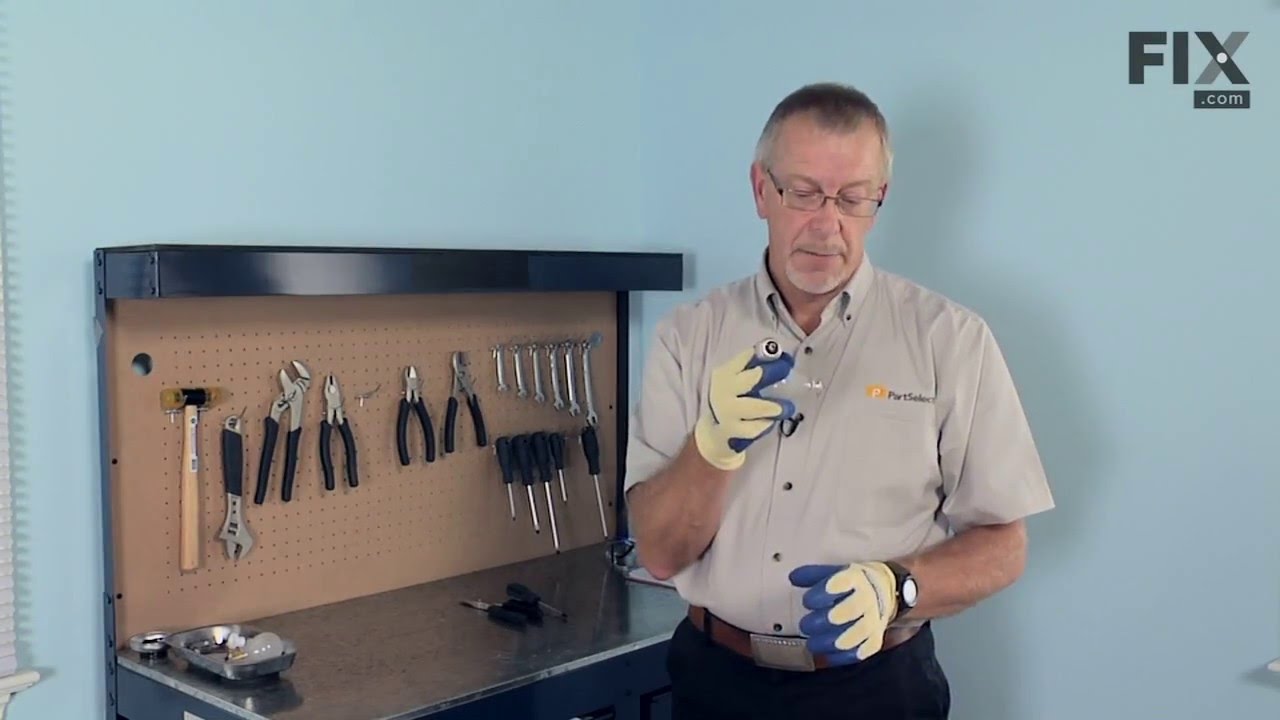
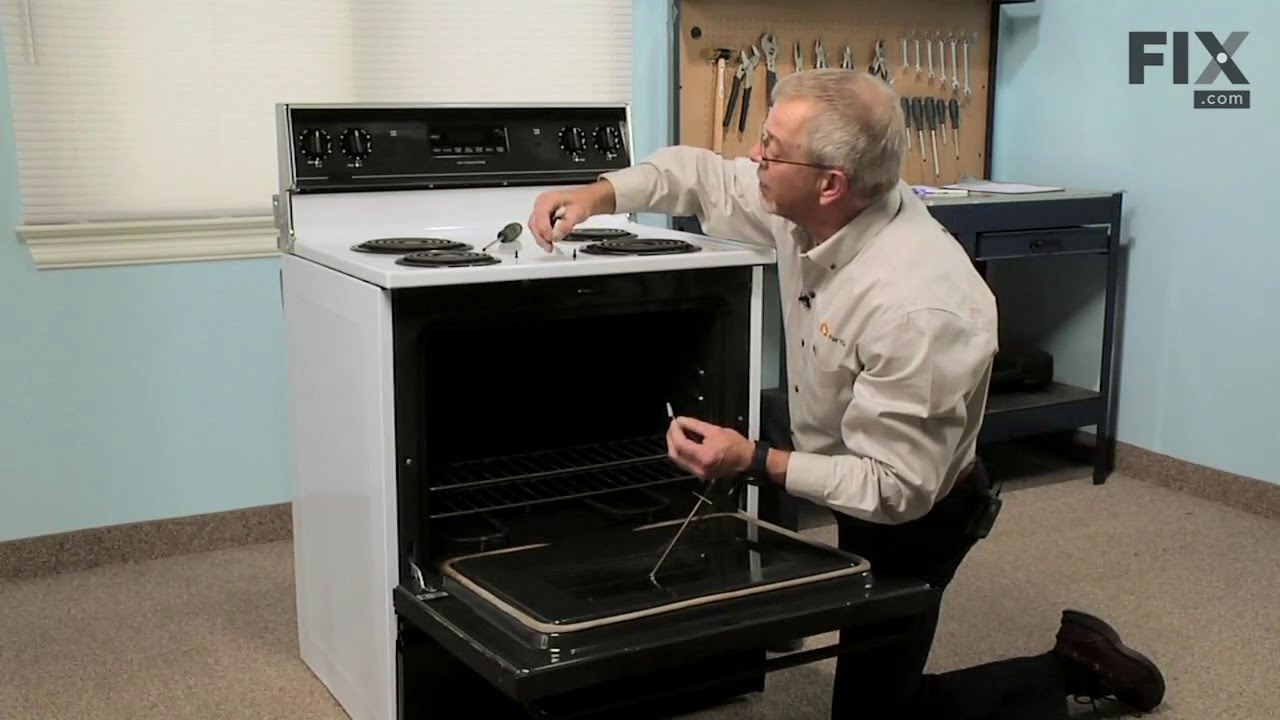
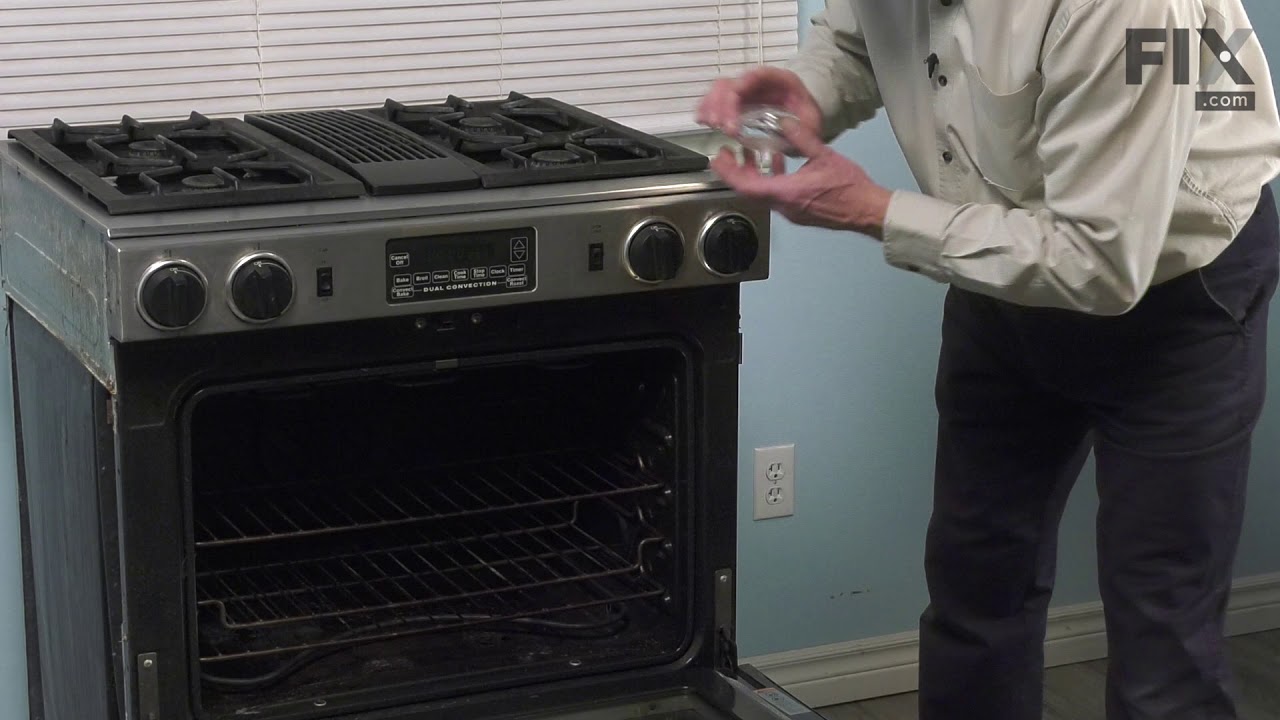
See how others fixed this model. Time, tools, difficulty, and steps that lead to victory!
View More