


 My Orders




KOEC530PSS01 Whirlpool Microwave Oven Combo - Overview
Diagrams for KOEC530PSS01
See every part. Know exactly what you need.

Enter a part description. DIY Heroes keep it simple, eg. "belt" or "pump".
Search filter:
Clear Filter
Your search term must have 3 or more characters.

No Longer Available
Touch-Up Paint - White
Part #72017
This touch-up paint can be used on a wide variety of household appliances. It is most often used on washers, dryer, refrigerators, dishwashers, ranges, freezers, trash compactors, or microwaves. It is an 18 ml, or.6 fluid ounces, bottle of touch-up paint. It also features a brush for easy application. This quick-drying, long-lasting paint...Read more is perfect for fixing any nicks, scratches, or chips on the exterior of your appliance. This paint is white in color, and provides a durable finish.
Read less

$41.07
In Stock

$76.17
In Stock

No Longer Available
Spray Paint - 12 oz. - White
Part #350930
Appliance spray paint is a great way to cover up any chips and scratches that have appeared on your appliances. Instead of replacing the part entirely, this is an easy fix. This is also a great way to give a fresh new look to any handles or areas that have discoloring due to wear. Make sure to clean the area before you begin and wear a pr...Read moreotective mask for safety. Give the can a good shake and spray a few inches away from the surface. Apply the paint until the area is fully covered as desired. Wait until the paint has dried before using the appliance.
Read less

$53.20
In Stock
Microwave Turn Ring
Part #W11110134
This roller is located underneath the glass turntable. With the help of the motor, this roller helps to rotate the glass tray. This part takes the place of the coupling.

No Longer Available
Touch-up Paint - Black
Part #72032
This authentic OEM black touch-up paint is specifically designed for repairing minor scratches, chips, or blemishes on your kitchen appliances. The bottle contains 16ml or 0.6oz of black paint and has an applicator brush under the cap, the same way a nail polish bottle is designed. Restoring these visible damages is important because crac...Read moreked or chipped surfaces can become a breeding ground for dirt and bacteria. If your existing bottle of paint has a thick or clumpy consistency, do not use it. Remember to shake the bottle before applying the paint to your appliance. Please keep in mind that this bottle is sold individually.
Read less

$87.64
In Stock
Oven Rack
Part #WPW10554526
Support cookware securely inside a compatible oven with a replacement wire rack. Replacement may be needed when the original rack is warped, corroded, missing, or no longer slides smoothly along the side guides. First, clean baked-on residue from the rack and guide rails because heavy buildup can restrict movement. Check that the oven lin...Read moreer and supports are not bent. Verify compatibility with the full appliance model, since racks for similar ovens may differ in size and stop placement. Work only when the oven is turned off and completely cool. Install the rack evenly on matching guides, avoid overloading it, and remove it during self-cleaning unless the owners manual says otherwise.
Read less

$80.49
In Stock
SLIDING RACK
Part #W11718046
This sliding oven rack is designed to replace damaged, warped, or missing racks in wall ovens, microwave oven combinations, and freestanding ranges. It provides a stable, smooth-gliding surface for baking, roasting, and cooking, helping maintain even heat distribution and safe handling of cookware. The rack is constructed for durability a...Read morend ease of use, restoring full functionality to ovens that have lost or compromised their original racks. Installation is straightforward—simply slide the rack into the designated support rails. Always verify compatibility with your specific appliance model before installation to ensure proper fit and performance.
Read less

$137.89
In Stock
Inner Door Glass
Part #WPW10618107
Upgrade or replace your broken oven part with the genuine Inner Door Glass from Whirlpool. This heat-resistant inner glass panel is designed for wall ovens, promising a perfect fit with its specific dimension of 24 1/2 inches by 15 1/8 inches. Not only does it provide insulation, but also ensures full visibility into your oven while cooki...Read moreng. The installation requires utmost caution as the oven door is heavy ? getting an extra pair of hands for safe lifting is recommended. This product is ideally matched with several models of Whirlpool, KitchenAid, Maytag, Jenn-Air, Amana, Inglis, and Magic Chef stoves, ovens, and ranges. Confirm your model compatibility to ensure optimal performance.
Read less

$91.74
In Stock
Thermostat
Part #WP4449751
This high-limit thermostat is a safety-critical component designed to prevent overheating in ranges and wall ovens. It monitors internal temperatures and cuts power to the heating elements if the oven exceeds a preset threshold, typically around 335°F (170°C). Constructed from heat-resistant materials for long-term durability, it helps pr...Read moreotect internal components and reduce the risk of fire or damage caused by control system failures, ventilation blockages, or fan malfunctions. A faulty thermostat may result in no heat, uneven cooking, or failure to start. Replacing this part restores safe and reliable oven operation. Installation should be performed with the appliance disconnected from power.
Read less

$27.36
On Order
Motor Coupling
Part #W11179756

$67.82
In Stock
Common Symptoms of the KOEC530PSS01
How this model fails, and the parts that fix it.
Tray won’t turn
Fixed by
these parts
these parts


Show All
Will Not Start
Fixed by
these parts
these parts


Show All
Will not program
Fixed by
these parts
these parts
Show All
Door won’t open after self cleaning cycle
Fixed by
these parts
these parts
Show All
Element will not heat
Fixed by
these parts
these parts
Show All
Watch our pros, then fix it yourself.
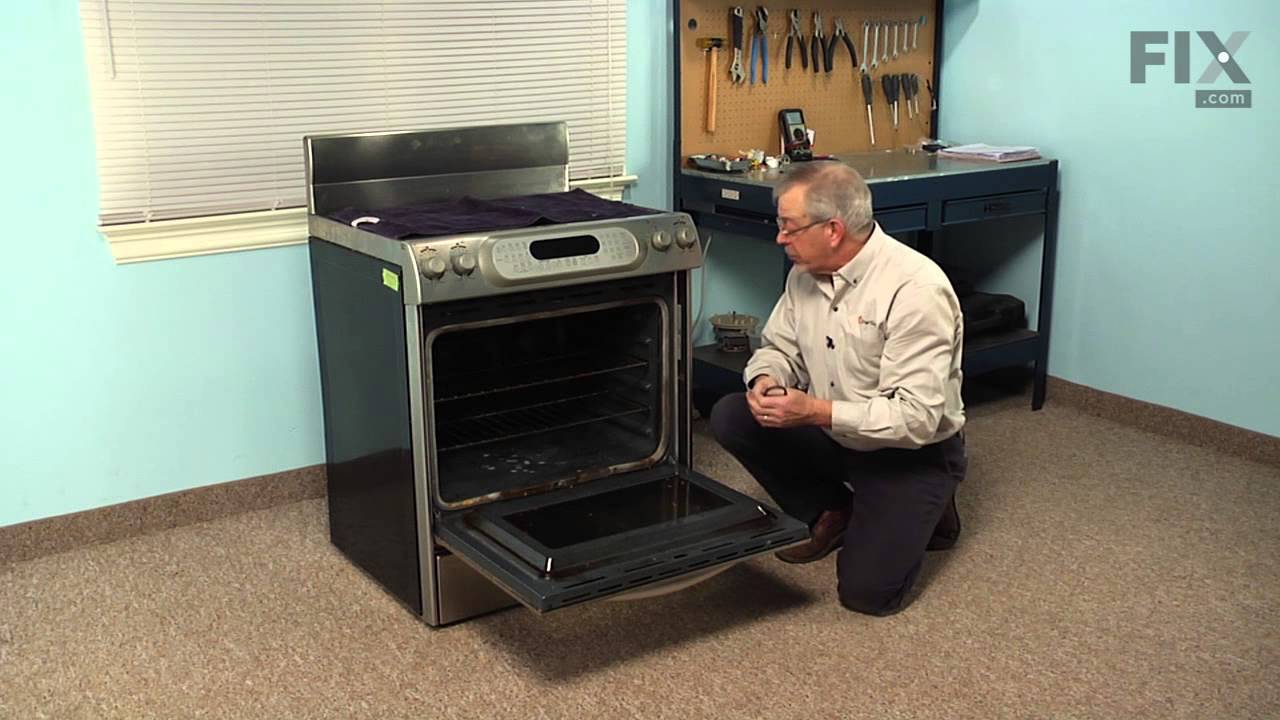
See how others fixed this model. Time, tools, difficulty, and steps that lead to victory!
View More