













CSM22GRBEWW Hotpoint Refrigerator - Instructions
Keep searches simple. Use keywords, e.g. "leaking", "pump", "broken" or "fit".
Defrost Heater blows out, refrigerator frosts up, then stops cooling
Disclaimer - if you aren't confident about doing this repair, call a repair specialist in. Also, take care not to damage the freezer coils as they have refrigerant in them that I'm told is harmful if it leaks. It may also be under pressure. The instructions that follow won't require you to touch the coils. There is no need to unplug the refrigerator or disconnect the water supply to do this repair. The screw driver you will need is a phillips (the one withe the + head).
1st, take out your frozen food (which, if you need to do this repair may not be frozen) and put it in a cooler or the refrigerator.
2nd, remove the ice cube bucket and dump the ice cubes in the cooler to help keep the frozen food cool. Turn the ice cube maker off.
3rd, remove the freezer shelves.
4th, locate the panel covering the freezer coils. It's a panel at the back of the freezer. It hides the freezer coils and protects them from damage. It's held in place by two screws located at the top left and right corners of the panel.
5th, unscrew the screws holding the panel to the refrigerator.
6th, detach the clip at the top of the panel.
7th, remove the panel. You should see the coils now. The coils will be covered in frost if the defroster heater has failed. If the coils are not covered in frost, there may be another reason for the refrigerator failing to cool.
8th, even if the coils are covered in frost, you should also inspect the defroster heater at the bottom, underneath the coils. The business end of it is a long tube running horizontally between two wires. If it's black like a badly burned out light bulb, then it's failed. If the bulb appears fine, you may have a different reason for your refrigerator and freezer frosting up. We'll assume that the defroster heater has blown out, and proceed.
9th, place a towel at the bottom of the panel space, to soak up any water that melts and runs down. There is a drain under the coils. It collects water that melts during the defrost cycle, but I'd rather mop up the water instead of relying on the drain.
10th, use hot air blowing from the hair dryer to defrost the coils. Just play the air from the hair dryer over the coils, starting at the top, and working down. The frost will quickly melt and the water will be soaked up by the towels. If you want things to go faster, you can throw hot water on the coils to melt them faster, but that produces more water to mop up, and makes a big mess. It's also dangerous to have water lying around if you then decide to use the hair dryer to continue defrosting the coils.
11th. MOST IMPORTANT. Don't use your screwdriver or any other sharp object to pick away at the frost on the coils. If you damage the coils the refrigerant could leak out. I'm told that it's dangerous stuff. Furthermore, I expect that you'd have to buy a new refrigerator if you damaged the coils.
12th, once you've defrosted the coils, locate the defroster heater and bracket assembly again. It's held in place by two screws, and has two insulated wires running into it on either side. Unscrew the screws, disconnect the wires and remove the assembly. Throw it away - there are no useful parts in it.
13th, install the new defroster heater and bracket assembly by connecting the wires to it, mounting it back into its place, and rescrewing the screws.
14th, put the panel back in place, replace the clip, and screw the panel back in place.
15th, turn the ice cube maker back on and replace the ice cube bucket and shelves. Put your food back into the freezer.
16th, use the freezer and refrigerator as normal. If the defroster heater fails again (I'm on my third one in less than six years), you'll notice frost building up on the panel at the back of the freezer before your freezer and refrigerator stops cooling. The frost build up is your signal to defrost the freezer and buy another defroster heater and bracket assembly. I don't know why this part is so weak, and don't know any fix except to keep replacing it.
1st, take out your frozen food (which, if you need to do this repair may not be frozen) and put it in a cooler or the refrigerator.
2nd, remove the ice cube bucket and dump the ice cubes in the cooler to help keep the frozen food cool. Turn the ice cube maker off.
3rd, remove the freezer shelves.
4th, locate the panel covering the freezer coils. It's a panel at the back of the freezer. It hides the freezer coils and protects them from damage. It's held in place by two screws located at the top left and right corners of the panel.
5th, unscrew the screws holding the panel to the refrigerator.
6th, detach the clip at the top of the panel.
7th, remove the panel. You should see the coils now. The coils will be covered in frost if the defroster heater has failed. If the coils are not covered in frost, there may be another reason for the refrigerator failing to cool.
8th, even if the coils are covered in frost, you should also inspect the defroster heater at the bottom, underneath the coils. The business end of it is a long tube running horizontally between two wires. If it's black like a badly burned out light bulb, then it's failed. If the bulb appears fine, you may have a different reason for your refrigerator and freezer frosting up. We'll assume that the defroster heater has blown out, and proceed.
9th, place a towel at the bottom of the panel space, to soak up any water that melts and runs down. There is a drain under the coils. It collects water that melts during the defrost cycle, but I'd rather mop up the water instead of relying on the drain.
10th, use hot air blowing from the hair dryer to defrost the coils. Just play the air from the hair dryer over the coils, starting at the top, and working down. The frost will quickly melt and the water will be soaked up by the towels. If you want things to go faster, you can throw hot water on the coils to melt them faster, but that produces more water to mop up, and makes a big mess. It's also dangerous to have water lying around if you then decide to use the hair dryer to continue defrosting the coils.
11th. MOST IMPORTANT. Don't use your screwdriver or any other sharp object to pick away at the frost on the coils. If you damage the coils the refrigerant could leak out. I'm told that it's dangerous stuff. Furthermore, I expect that you'd have to buy a new refrigerator if you damaged the coils.
12th, once you've defrosted the coils, locate the defroster heater and bracket assembly again. It's held in place by two screws, and has two insulated wires running into it on either side. Unscrew the screws, disconnect the wires and remove the assembly. Throw it away - there are no useful parts in it.
13th, install the new defroster heater and bracket assembly by connecting the wires to it, mounting it back into its place, and rescrewing the screws.
14th, put the panel back in place, replace the clip, and screw the panel back in place.
15th, turn the ice cube maker back on and replace the ice cube bucket and shelves. Put your food back into the freezer.
16th, use the freezer and refrigerator as normal. If the defroster heater fails again (I'm on my third one in less than six years), you'll notice frost building up on the panel at the back of the freezer before your freezer and refrigerator stops cooling. The frost build up is your signal to defrost the freezer and buy another defroster heater and bracket assembly. I don't know why this part is so weak, and don't know any fix except to keep replacing it.
Parts Used:
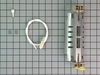
-
Stuart from Lynchburg, VA
-
Difficulty Level:Easy
-
Total Repair Time:15 - 30 mins
-
Tools:Screw drivers
409 of 435 people
found this instruction helpful.
Was this instruction helpful to you?
Thank you for voting!
Cracked housing on the vaave
1. Turn off water supply, and electrical ( unplug it) to fridge.
2. Remove water line to valve. Watch for water to pour out of the line. Have a towel handy.
3. Remove the cardboard cover on the bottom of the fridge.
4. Remove the screws that hold the valve in place.
5. Remove the valve, be careful the waterlines are still attached.
6. Place a towel under valve to catch any water that leaks out from water lines.
7. Remove electrical lines, make sure to mark which went where. One is for the ice, and one is for the water. Make sure the power is off, there is 120 volts present at those connections.
- now my waterlines attached using a compression type fitting. The new valve I got used just a push in type of attachment. But, easy enough I just removed the pieces for the compression and the waterlines pushed right in and worked fine.
- the mounting harness for the valve was alittle different but the parts I need were in the right location and she fit in fine.
8. Attach water lines. They are different sizes so you can't get those mixed up.
9. Attach electrical lines.
- the new valve came with adaptors for my electrical connection. Just snapped them on and kept on going.
10. turn on watersupply for fridge. Plug it back in.
11. Test for leaks, and proper operation. ie. When you push the water does the water valve open?
12. Unplug fridge
13. Now is a good time to clean out any dust or dirt that has accumallated in under around your fridge.
14. reassemble, valve, then cover. move fridge back into place.
15. Plug fridge back in.
16. Take a clean glass.
17. Fill with water from the front.
18. Take full glass of water and go watch tv. You've earned it, and saved yourself probably $100.00 in labor costs. Good Job.
2. Remove water line to valve. Watch for water to pour out of the line. Have a towel handy.
3. Remove the cardboard cover on the bottom of the fridge.
4. Remove the screws that hold the valve in place.
5. Remove the valve, be careful the waterlines are still attached.
6. Place a towel under valve to catch any water that leaks out from water lines.
7. Remove electrical lines, make sure to mark which went where. One is for the ice, and one is for the water. Make sure the power is off, there is 120 volts present at those connections.
- now my waterlines attached using a compression type fitting. The new valve I got used just a push in type of attachment. But, easy enough I just removed the pieces for the compression and the waterlines pushed right in and worked fine.
- the mounting harness for the valve was alittle different but the parts I need were in the right location and she fit in fine.
8. Attach water lines. They are different sizes so you can't get those mixed up.
9. Attach electrical lines.
- the new valve came with adaptors for my electrical connection. Just snapped them on and kept on going.
10. turn on watersupply for fridge. Plug it back in.
11. Test for leaks, and proper operation. ie. When you push the water does the water valve open?
12. Unplug fridge
13. Now is a good time to clean out any dust or dirt that has accumallated in under around your fridge.
14. reassemble, valve, then cover. move fridge back into place.
15. Plug fridge back in.
16. Take a clean glass.
17. Fill with water from the front.
18. Take full glass of water and go watch tv. You've earned it, and saved yourself probably $100.00 in labor costs. Good Job.
Parts Used:
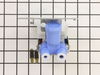
-
anthony from thornton, CO
-
Difficulty Level:Really Easy
-
Total Repair Time:15 - 30 mins
-
Tools:Screw drivers, Wrench (Adjustable)
288 of 308 people
found this instruction helpful.
Was this instruction helpful to you?
Thank you for voting!
ice stalactites were drooling out of the icemaker and gumming up the cubes in the receiving tray.
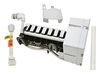
I first shut off water flow to the fridge. Examination of the package (which was not exact in appearance to the original) demonstrated that the electrical connectors were well-insulated so I arrogantly and successfully proceded without disconnecting the power. My fridge is old enough that the model doesn't appear exactly on anyone's list so I wasn't alarmed that it took an extra 10 minutes or so to noodle out how to adapt the slightly different inlet cowling and electrical cord with extension, but the device is pretty simple.
Soon I loosened the two mounting screws with a nut driver, used a screwdriver to pry away the plastic snap-in housing over the electrical socket on the fridge inner wall and pulled away the electrical plug. The original water fill tube remained in its cavity, ready for re-use.
The new unit's mounting points matched the original screw locations perfectly, as did the fill cowling - which on the replacement icemaker has two possible attachment points. The new unit's electrical connector required an extension pigtail to adapt to my socket, but it was included in the package. The extra cable posed a minor cosmetic issue because it hangs in the collection basket a bit, but that will soon be remedied with a tie wrap.
After the water was restored and an anxious wait of a few hours, we had well-formed ice cubes that weren't all stuck together and the stalactites haven't reappeared.
Soon I loosened the two mounting screws with a nut driver, used a screwdriver to pry away the plastic snap-in housing over the electrical socket on the fridge inner wall and pulled away the electrical plug. The original water fill tube remained in its cavity, ready for re-use.
The new unit's mounting points matched the original screw locations perfectly, as did the fill cowling - which on the replacement icemaker has two possible attachment points. The new unit's electrical connector required an extension pigtail to adapt to my socket, but it was included in the package. The extra cable posed a minor cosmetic issue because it hangs in the collection basket a bit, but that will soon be remedied with a tie wrap.
After the water was restored and an anxious wait of a few hours, we had well-formed ice cubes that weren't all stuck together and the stalactites haven't reappeared.
Parts Used:
-
Gerald from Benicia, CA
-
Difficulty Level:Easy
-
Total Repair Time:15 - 30 mins
-
Tools:Nutdriver, Screw drivers
91 of 132 people
found this instruction helpful.
Was this instruction helpful to you?
Thank you for voting!
The back of my freezer section was covered with ice.
1. Important: First you will need to prepare for water from melted ice. Plug the drain hole in the bottom rear of the freezer. Have plenty of rags near by. A pan or small bucket is helpful.
2. Unplug refrigerator
3. Remove (4) screws (2) w/screwdriver and (2) w/nut driver. You can remove the light cover to get it out of the way but you don't have to.
4. Remove the evaporator cover (The rear wall)
5. Melt and remove any ice build up. Remember those rags?
6. Remove (2) screws from the heater bracket
7. Remove the failed heater. My old heater was a single element. The new heater was a dual element. This made no difference.
8. Disconnect (2) wires.
9. Re-route and reconnect (2) wires. The wires were re-routed because the new heater has both wires on the same side. Not a problem.
10. Install new heater on the bracket (2) screws
11. Replace cover (4) screws
12. Power up the refrigerator
2. Unplug refrigerator
3. Remove (4) screws (2) w/screwdriver and (2) w/nut driver. You can remove the light cover to get it out of the way but you don't have to.
4. Remove the evaporator cover (The rear wall)
5. Melt and remove any ice build up. Remember those rags?
6. Remove (2) screws from the heater bracket
7. Remove the failed heater. My old heater was a single element. The new heater was a dual element. This made no difference.
8. Disconnect (2) wires.
9. Re-route and reconnect (2) wires. The wires were re-routed because the new heater has both wires on the same side. Not a problem.
10. Install new heater on the bracket (2) screws
11. Replace cover (4) screws
12. Power up the refrigerator
Parts Used:
-
Brian from Cary, NC
-
Difficulty Level:Really Easy
-
Total Repair Time:15 - 30 mins
-
Tools:Nutdriver, Screw drivers
73 of 79 people
found this instruction helpful.
Was this instruction helpful to you?
Thank you for voting!
Ice maker stopped working
I unplugged the electrical connection. Then I removed the 2 screws holding the icemaker in place. I lifted out the old icemaker unit and put the new one in place. Then put the 2 screws back in and plugged in the new unit.
The icemaker started making ice very soon after turning the unit on.
The icemaker started making ice very soon after turning the unit on.
Parts Used:
-
Dan from West Bloomfield, MI
-
Difficulty Level:Really Easy
-
Total Repair Time:Less than 15 mins
-
Tools:Nutdriver
83 of 112 people
found this instruction helpful.
Was this instruction helpful to you?
Thank you for voting!
broken ice maker part
used a screwdriver to remove screw and unplugged part. Plugged in new one and secured with a screw.
Simple
Simple
Parts Used:
-
Laura Beth from Mandeville, LA
-
Difficulty Level:Really Easy
-
Total Repair Time:Less than 15 mins
-
Tools:Screw drivers
78 of 104 people
found this instruction helpful.
Was this instruction helpful to you?
Thank you for voting!
My wife said, "the refrigerator door won't close".
Our refrigerator is a double door unit with ice and water in the left door. The right door was the one with the problem. It was 5:15 AM when the problem occured. I could see that the door was out of alighnment and had dropped down - preventing it from closing. I lifted the door and closed it. I wrote down the model number and found a detailed drawing of the appliance on the web site "partselect.com". When the hing earrived I compared it to the broken one. I removed all the food stored on the door, put several pieces of wood under the door to shim it to the same height as the adjacent door. I then removed two bolts from the refrigerator with a 1/4" socket set. I put the shim from the old hing aside for later. I removed two bolts from the door with the same socket -Note a metal tab had to be bent silghtly so the wrench could go on the head of the bolt- I removed the plastic cam and made note of its orientation and that of the shim above it on the door. I put the shim and new cam in place on the door and installed the 2 bolts. I inserted the pin of the new hing into the hole in the cam (I had just mounted) on the door. I put the shim (the one put aside earlyer) behind the hing and replaced the two bolts. I held the shim and hing up against the door as I tightened the two bolts. When I was satisfied that the bolts were tight I removed the wooden blocks that were holding the door up so the door was supported by the new bottom hing assembly. The door now opperates perfectly and the refrigerator was not taken out of service for the repair. Total time including cleanup was a little over 15 minutes.
Parts Used:
-
Gregory from Zephyrhills, FL
-
Difficulty Level:Really Easy
-
Total Repair Time:15 - 30 mins
-
Tools:Socket set
54 of 58 people
found this instruction helpful.
Was this instruction helpful to you?
Thank you for voting!
Ice maker dispensed crushed ice but not cubes
Removed the ice bin and maker, then removed cover from the rear that covered the solenoid that controls the dispensing mechanism. Replace solenoid. The tricky part here is that there is a styrofoam cover around the solenoid pin that needs to be superglued into place and oriented properly during replacement. All electrical feeds snap out neatly and are easily replaced. Reassemble ice dispenser and bin, and viola, your back in business.
Parts Used:
-
James from Greenville, NC
-
Difficulty Level:Difficult
-
Total Repair Time:More than 2 hours
-
Tools:Nutdriver, Screw drivers
44 of 62 people
found this instruction helpful.
Was this instruction helpful to you?
Thank you for voting!
Ice maker quit making ice
the first thing i did was replace the water valve at the bottom of the refrigerator but that didn't work so then i spent more time researching the problem on your site and your diagnostic said to replace the ice maker so i ordered it, took the old one out, plugged the new one in and we had ice the next day.
Parts Used:
-
Jeffrey from Bluefield, WV
-
Difficulty Level:Really Easy
-
Total Repair Time:30 - 60 mins
-
Tools:Nutdriver
40 of 53 people
found this instruction helpful.
Was this instruction helpful to you?
Thank you for voting!
frost builds up in freezer section and refrigerator stops working slowly. manually defrost for 24-48 hours and starts working perfect. Goes through the cycle again after a week.
As advised by the forum just replaced the defrost heater assembly now the refrigerator works perfect. did not have to replace the thermostat.
My nephew had exactly same problem on ge refrigerator - replaced the defrost heater assembly and the problem is solved. Just remove the back panel in the freezer compartment, disconnect the cable, remove the nuts and replace the assemble. It is very simple. Bought both assembly from parts select.com - got next day delivery. they are great. would do business in future.
My nephew had exactly same problem on ge refrigerator - replaced the defrost heater assembly and the problem is solved. Just remove the back panel in the freezer compartment, disconnect the cable, remove the nuts and replace the assemble. It is very simple. Bought both assembly from parts select.com - got next day delivery. they are great. would do business in future.
Parts Used:
-
David from West Palm Beach, FL
-
Difficulty Level:Really Easy
-
Total Repair Time:15 - 30 mins
-
Tools:Nutdriver
34 of 35 people
found this instruction helpful.
Was this instruction helpful to you?
Thank you for voting!
Leaking water lines fixed.
The problem is the common issue that the proximity of the plastic water lines that leave the electrically controlled valve near the compressor in the bottom back corner of the fridge, means they become brittle and crack/break. Both the line leaving to the ice-maker that runs diagonally across the outside back of the fridge, and the line that runs under the fridge to feed the water dispenser failed at the valve, breaking off just where they start at the valve.
The result was I noticed a big puddle coming out from under the fridge (too late for the poor wood floor).
The solution, replace the parts. For the ice maker line, it is one thin line - its easy to replace other than taking care to uncrimp and recrimp the connection up at the entry to the freezer.
For the thicker tube, the one that goes to the water dispenser, you replace the reservoir tank that sits inside the fridge. It has the two lines leaving it permanently attached to the tank, hence you replace the whole thing. There are separate lines and a splice/union that can be used to replace just the last 6 inches near the compressor, but I chose to replace the whole unit. This describes replacing that water chill tank unit.
The tank sits behind the bottom 2 drawers in the fridge.. you see it when you pull out the drawers. It has two lines permanently attached, one runs out of one hole in the bottom of the fridge and to the back of the fridge where it attaches to the exit on the electrical valve. The other runs out of the other hole in the bottom of the fridge and runs along the side, then along the front from the fridge to the freezer side. There is a union that connects that line to another line that then runs up the freezer door. Remove the front cover under the fridge to see this line and the union.
To replace the tank, you have to disconnect it from both ends, where its held in by plastic nuts/unions. Water remaining in the lines will drain out when you disconnect them. I unscrewed the valve assembly from the fridge body and then unplugged the plugs to the valves to do the work (but left the fridge plugged in).
To do this work, I needed to raise the fridge side edge of the appliance, since the hoses route along the underside of the fridge. After you disconnect the two ends (at the union on the freezer side bottom front egdge, and back side at the valve) you can pull the hoses up into the fridge. Routing the new hoses will require you have at least that one side off the floor to get your hands under it. I got two 6" tall 4x4 wood blocks and tipped the fridge slightly, raising the right (fridge) side off the ground and slid the blocks under the fridge rollers.
To remove the tank, before you raise the edge of the fridge, there are two screws that you need to remove (top side and left side) from the storage tank.
I recommend that in addition to removing the bottom two drawers, you remove all the bins hanging in the fridge door, since you need to work in there with gravity wanting to shut the door on you. Once you have the tank unscrewed (and the hose ends disconnected) note which hose(based on where it connects to the tank) goes to which hole in the bottom of the fridge. Pull up the hoses from the inside the fridge. The tank is free..go put it in the sink and drain the water out.
Installing the new tank, remove any hose end caps and route the hoses back through the lower drawer support frame you pulled them out of, and feed the correct hoses back through the holes in the bottom of the fridge. I found it better to feed the longer one first, which leads to the water dispenser/front. I could then pull that one up front from under the raised fridge and clip it in place and then route the other hose fully though its hole and route it to the back of the fridge to the valve. This way I ensured I was sending the right hose to the right destination.
You will likely have to trim the hoses once the tank is reattached as they are slightly long. Be sure
The result was I noticed a big puddle coming out from under the fridge (too late for the poor wood floor).
The solution, replace the parts. For the ice maker line, it is one thin line - its easy to replace other than taking care to uncrimp and recrimp the connection up at the entry to the freezer.
For the thicker tube, the one that goes to the water dispenser, you replace the reservoir tank that sits inside the fridge. It has the two lines leaving it permanently attached to the tank, hence you replace the whole thing. There are separate lines and a splice/union that can be used to replace just the last 6 inches near the compressor, but I chose to replace the whole unit. This describes replacing that water chill tank unit.
The tank sits behind the bottom 2 drawers in the fridge.. you see it when you pull out the drawers. It has two lines permanently attached, one runs out of one hole in the bottom of the fridge and to the back of the fridge where it attaches to the exit on the electrical valve. The other runs out of the other hole in the bottom of the fridge and runs along the side, then along the front from the fridge to the freezer side. There is a union that connects that line to another line that then runs up the freezer door. Remove the front cover under the fridge to see this line and the union.
To replace the tank, you have to disconnect it from both ends, where its held in by plastic nuts/unions. Water remaining in the lines will drain out when you disconnect them. I unscrewed the valve assembly from the fridge body and then unplugged the plugs to the valves to do the work (but left the fridge plugged in).
To do this work, I needed to raise the fridge side edge of the appliance, since the hoses route along the underside of the fridge. After you disconnect the two ends (at the union on the freezer side bottom front egdge, and back side at the valve) you can pull the hoses up into the fridge. Routing the new hoses will require you have at least that one side off the floor to get your hands under it. I got two 6" tall 4x4 wood blocks and tipped the fridge slightly, raising the right (fridge) side off the ground and slid the blocks under the fridge rollers.
To remove the tank, before you raise the edge of the fridge, there are two screws that you need to remove (top side and left side) from the storage tank.
I recommend that in addition to removing the bottom two drawers, you remove all the bins hanging in the fridge door, since you need to work in there with gravity wanting to shut the door on you. Once you have the tank unscrewed (and the hose ends disconnected) note which hose(based on where it connects to the tank) goes to which hole in the bottom of the fridge. Pull up the hoses from the inside the fridge. The tank is free..go put it in the sink and drain the water out.
Installing the new tank, remove any hose end caps and route the hoses back through the lower drawer support frame you pulled them out of, and feed the correct hoses back through the holes in the bottom of the fridge. I found it better to feed the longer one first, which leads to the water dispenser/front. I could then pull that one up front from under the raised fridge and clip it in place and then route the other hose fully though its hole and route it to the back of the fridge to the valve. This way I ensured I was sending the right hose to the right destination.
You will likely have to trim the hoses once the tank is reattached as they are slightly long. Be sure
Parts Used:

-
Thomas from Sammamish, WA
-
Difficulty Level:Difficult
-
Total Repair Time:1- 2 hours
-
Tools:Nutdriver, Pliers, Screw drivers, Socket set, Wrench set
38 of 47 people
found this instruction helpful.
Was this instruction helpful to you?
Thank you for voting!
Quit making ice.
There were not two screws as the instructions said. There was only one screw and I had to firmly pull it out after taking out the one screw. Then, to put the new one in, I had to line up two slots on two knob-like things and push it in firmly. Then screw the one screw in.
Other than the two-screw problem, it was easy.
Other than the two-screw problem, it was easy.
Parts Used:
-
Joe from Brentwood, TN
-
Difficulty Level:Really Easy
-
Total Repair Time:15 - 30 mins
-
Tools:Screw drivers
37 of 49 people
found this instruction helpful.
Was this instruction helpful to you?
Thank you for voting!
ice maker leaked water slowly and froze the cubes together
The replacement ice maker that GE supplies for my old refrigerator is a little different than the original. The electrical plug changed from a round plug to a square one. They include an adapter for it, but DON'T USE IT. There's not enough room for the bulky cord and connector. I got a much cleaner installation by taking apart the old and the new ice maker, and then splicing in the old connector into the new ice maker. You need to carefully unscrew a circuit board inside to wire it in, and it'll be more secure if you solider 3 wires instead of using crimp connectors. The instructions also tell you to use your old 'ice breaker', but it won't fit on the new ice maker. I just left the new ice maker's ice breaker on, and it seems to work perfect.
Parts Used:
-
Steven from Cave Creek, AZ
-
Difficulty Level:A Bit Difficult
-
Total Repair Time:1- 2 hours
-
Tools:Nutdriver, Pliers, Screw drivers, Socket set, Wrench set
41 of 62 people
found this instruction helpful.
Was this instruction helpful to you?
Thank you for voting!
Heater coil in frost-free freeze side fail (second time)
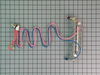
Remove freezer contents, shelves, and interior back-panel. Melt all ice on freezer coolang coil with hair dryer. Be careful not to touch to coling fins on the coils with the hair dryeer since they damage easily. Unplug the old heater coil wire harness at the top of the coils. Gently remove the thermocouple clipped to the top coil. Gently remove the wires leading down to the heater coil at the bottom-back of the freezer. Remove the old heater by removing the two mounting screws. Install new heater by reversing the steps above.
Good luck.
Ps. When the heater coil fails the result is, both the freezer and refridgerator sides get warm and food spoils. A good indicator to watch for is frost building up in the freezer on the interior back-panel. I taped cheap thermometers in both side to help mointor the temperature in case it happens again.
Good luck.
Ps. When the heater coil fails the result is, both the freezer and refridgerator sides get warm and food spoils. A good indicator to watch for is frost building up in the freezer on the interior back-panel. I taped cheap thermometers in both side to help mointor the temperature in case it happens again.
Parts Used:
-
Keith from Osceola, IN
-
Difficulty Level:Easy
-
Total Repair Time:1- 2 hours
-
Tools:Nutdriver, Screw drivers
30 of 33 people
found this instruction helpful.
Was this instruction helpful to you?
Thank you for voting!
Ice was melting and freezing in bucket
Frig and freezer were defrosting and refreezing other than normal. Home warranty contractor told me ice maker was faulty. Purchased new ice maker. Unplugged frig, loosened 2 screws with nut driver. unplugged old ice maker, lifted old ice maker out. Took old fill cup off old unit and put on new unit since new fill cup was a different size. Swapped ice maker insert from old to new unit. Plugged in new ice maker, slid over the 2 screws, tightened, and plugged in frig power. New ice maker works fine but still have defrosting and refreezing problem. Figure old ice maker probably works just fine. New contractor still trying to solve problem. Have had problems with this GE Monagram keeping proper temps since it was new in 2005, don't recommend it.
Parts Used:
-
John from Lodi, CA
-
Difficulty Level:Really Easy
-
Total Repair Time:Less than 15 mins
-
Tools:Nutdriver
33 of 42 people
found this instruction helpful.
Was this instruction helpful to you?
Thank you for voting!