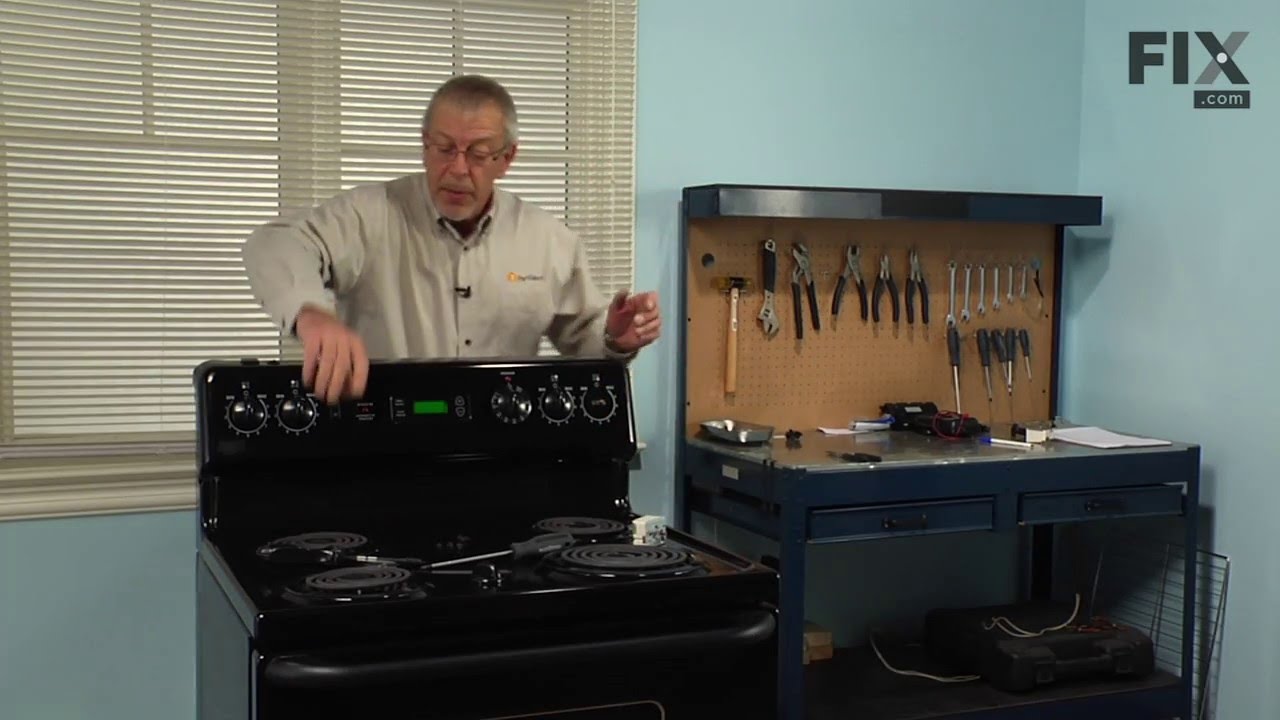
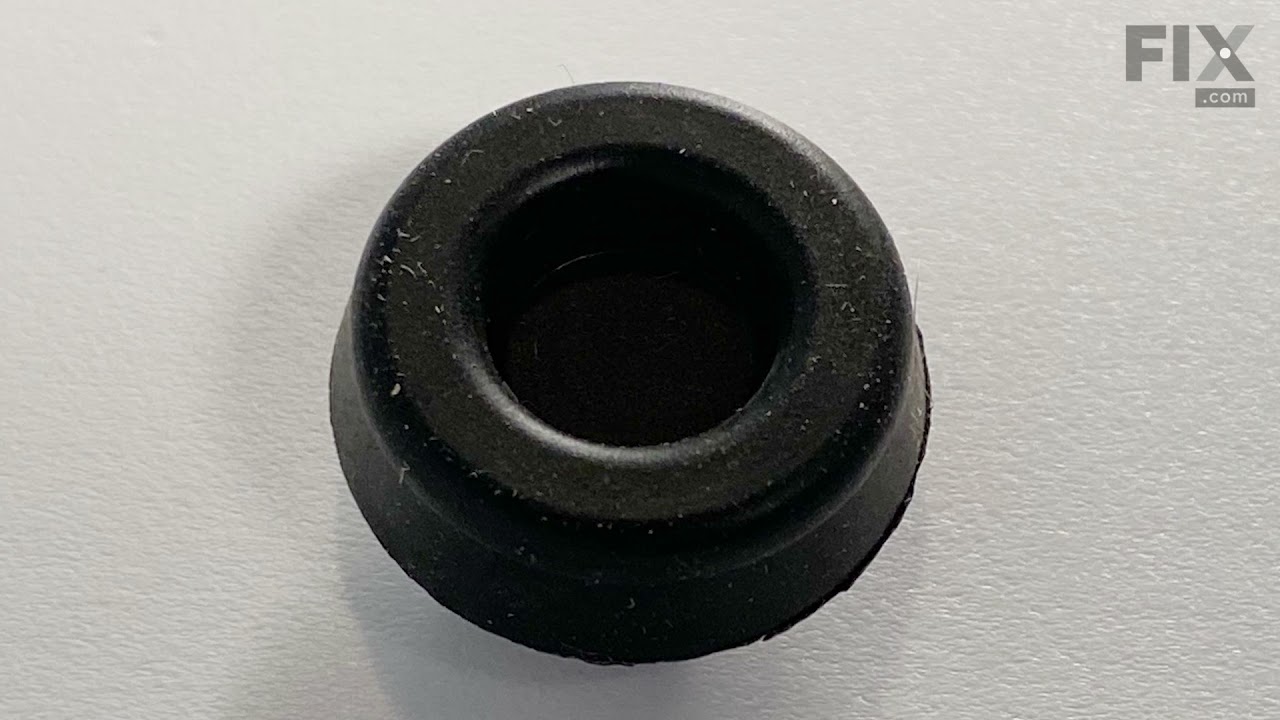
This drip bowl, also known as the drip pan or burner bowl, is 6 inches in internal diameter to match the burner, but actually measures closer to 8 inches in total diameter to its outer edges. This authentic manufacturer-approved part is used to catch spills from cooking on the top burner. If your bowls are getting stained, dirty, or rust...Read moreed, this replacement can solve it. First, remove the element from the stove top, and pull out the old drip pan. Insert the new bowl and make sure it is aligned to where the element is plugged in. Lastly, you can put the element back in. For safety precautions, make sure to unplug the range from the power source and wait until the surface is cool before replacing this part. This part is sold individually, if you are replacing more than one drip bowl on your stove at once, you will need to account for this. To replace, simply pull the old surface elements and burner bowls off, give everything a thorough clean, and install the new parts with no tools necessary.
This Drip Bowl, also known as a burner bowl or drip pan, is made to fit an element 8 inches in diameter and comes in chrome. The actual total diameter of this drip bowl is closer to 10 inches, but don't worry, it will fit your 8-inch burner. This bowl is used to catch drippings and food that falls when cooking on the oven element. The dri...Read morep bowl might burn, become rusty, and wear down over time, and will need to be replaced. Replacing the drip pan is very easy. The elements on the oven must be removed to access the pan underneath. When replacing the bowl, make sure to line up the hole with the terminal block where the element plugs into, and always remove power to your appliance and ensure it is completely cool before commencing your repair. These drip bowls are sold individually, not as a set for your appliance, so you will need to purchase each separately if upgrading all the drip bowls for your range.
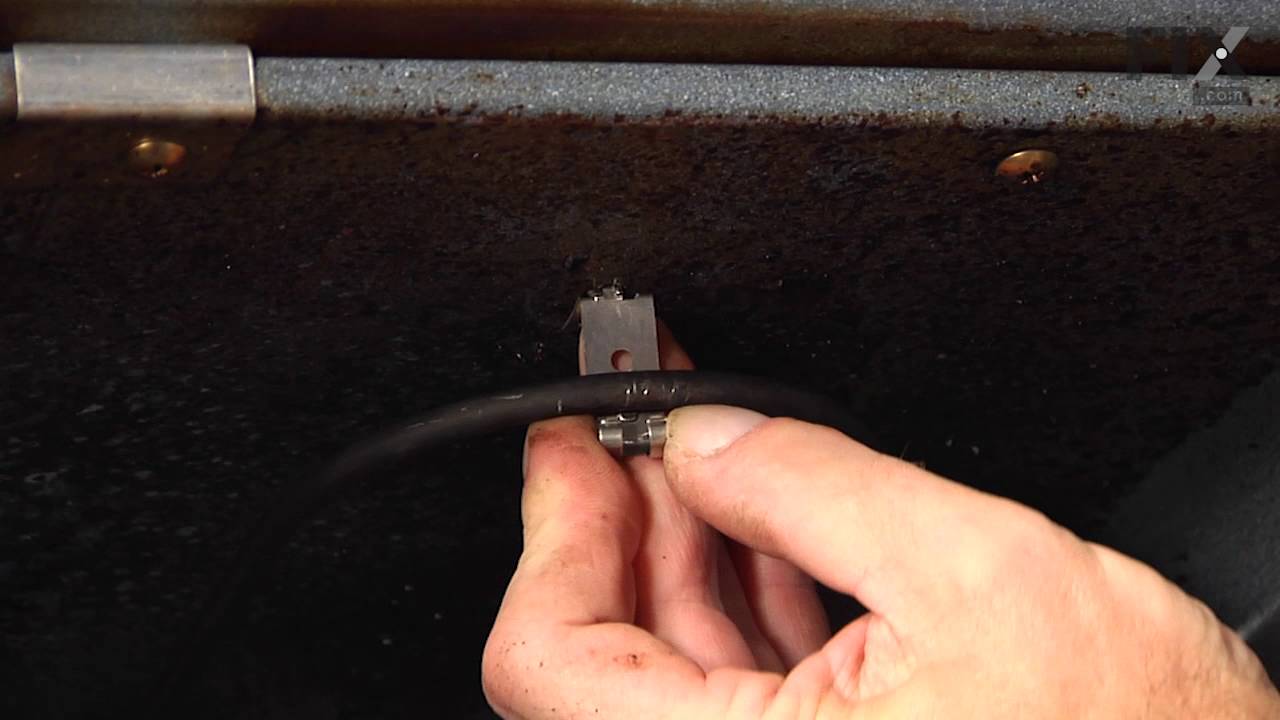
The metallic clip, or also known as a broil element support, is for a oven element on a range. This part holds the broil element in place on top of the oven. If your support clip is broken then this replacement should be the solution. The tools needed for this project are slip joint pliers. For safety precautions, make sure to unplug your...Read more range from the power source, or shut off the house circuit breaker before starting this project. Refer to the installation instructions for best results and accuracy.
This surface element control switch, also known as an infinite switch, regulates the power supplied to a 6-inch, 1560-watt heating element on electric ranges. It allows for precise adjustment of heat levels by cycling the element on and off, rather than relying on fixed temperature settings. Operating at 240 volts and drawing between 4.4 ...Read moreto 7.4 amps, the switch ensures consistent and responsive heat control. Replacing a faulty switch can resolve issues such as the element not heating, staying stuck on high, or fluctuating in temperature. This component is essential for maintaining safe and efficient cooking performance.
It is possible that your oven is cold because of a fault in the temperature sensor. The temperature sensor regulates oven temperature in modern ranges, like a thermostat. It is on the back wall near the broiler on the top wall. On a newer oven, there may be a fault code displayed. Faulty temperature sensors are often responsible for F3 an...Read mored F4 error messages on an electric range. Check your manual or the manufacturer website to find out the proper resistance of the temperature sensor. To check your sensor, unplug the oven and use a multi-meter to see if your sensor is at the correct resistance.
This light bulb lens covers the interior light bulb in an oven, range, or stove. No tools are necessary to replace this part. Simply slide off the wire bracket to remove the existing light bulb lens. Disconnect power to your appliance before this repair. It is recommended to check the light bulb while the lens cover is removed in case it ...Read moreneeds to be replaced. Be sure to remove all broken glass, if applicable, before installing new lens. This part is sourced directly from the genuine manufacturer, and is sold individually.
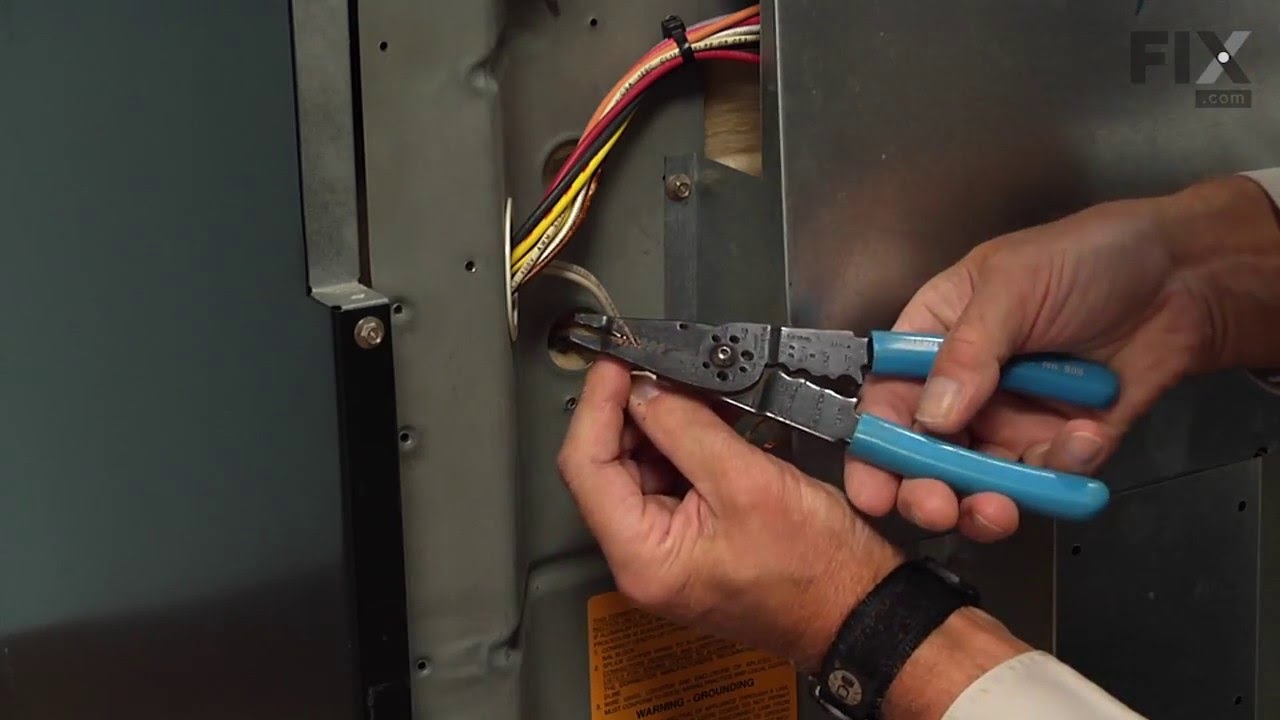
This part provides a way of connecting individual electrical wires and offers protection of the device from electrical surges (voltages and/or currents).
These are replacement screws designed to fit your range. They are made of metal and are approximately ¼ inch long. They come in a package of 12. These are OEM parts sourced directly from the manufacturer.
Ask our experts a question about this model and we'll get back to you as soon as possible!
We may have answered a similar question already! Search questions and answers left by others using simple keywords like "fit", "broken", "easy", or "quality" to find questions that match.
Search filter:
Clear Filter
Your search term must have 3 or more characters.
Sort by:
Prev
1
Next
Sorry, we couldn't find any existing answers that matched.Try using some different or simpler keywords, or submit your new question by using the "Ask a Question" button above!
Rebecca - For model number JM250DF3WW
May 9, 2023
Can I replace the stove top burner elements with ones that don’t have sensor in the middle? The ones I have won’t keep heating, they often go off and don’t maintain the heat.
Hello Rebecca, thank you for your query. According to our research, the surface elements compatible with your model are the 8-inch surface element, part number PS12582590, and the 6-inch surface element, part number PS12702985. Glad to be of help!
Oven tempature was approximately 150 degrees to low
224 of 265 peoplefound this instruction helpful.
James from Austin, TX
Easy
1- 2 hours
Nutdriver, Screw drivers
This repair is EASY if you know how to use an ohm meter. If not, seek help for this step.
SYMPTOM: The oven (JKP27WOP3WG or JKP27WP3WG and many ovens like it ) was not getting hot enough. Verifying the cooking temperature with an typical oven thermometer, I was able to determine that the oven was cooking temperature was
... Read more about 150 degrees to low.
FAILURE POINTS: There are two logical failure points (1) The oven sensor ( WB21X5301 about $75), or the (2) the controller board (PS238233 about $252). In my case it was the controller board. When replaced the oven worked beautifully.
REPAIR: As with any repair, you MUST DISCONNECT POWER TO THE UNIT BEFORE SERVICING!!!
Pull oven from the wall: - Disconnect power by flipping the circuit breaker to the OFF position. - Remove the top flange / cowling from the top of the oven (it just pulls off) - Remove two screws under the top flange / cowling - The whole unit easily slides out, but it is highly recommended that you use two people to place the oven on the floor.
As a diagnostic between these two parts, if the oven sensors measure approximately 1.1K ohms of resistance at room temperature, then it is probably not the sensor. The oven sensor wires are connected to two white wires that run up to the controller board. You need to disconnect the oven sensor to make the measurement. You may either completely remove the oven sensor by cutting the wire (be sure to allow yourself enough slack so that they may be safely reconnected) where it connects to the white wires, OR, (preferred method) if leaving the oven sensor partially installed, - Remove the top sheet metal cover (10 screws) - Remove the service connect cover (2 screws - this is where the main Power cord comes into the unit) - Disconnect the white wires from the controller board (this connector which also includes other circuits is on the left side when looking at the controller board). - Remove two screws from oven sensor but just let in dangle down so that you can put the sensor in the ice water / boiling water.
Measure the resistance under the following conditions. Your ohm meter should read APPROXIMATELY... - 1.02K ohms in ice water - 1.09K ohms at room temperature - 1.36K ohms in boiling water. If you get approximately these readings, then it is NOT the oven sensor. If that checks out then re-install the sensor AND the connector.
If it is NOT the sensor, replace the controller board. - Take a moment to write down the color of the wire to the LETTERING (N, L, G, C / COM,,,) on the controller board. The connectors are in different locations on the new controller board so the wire color to the letter designation is significant. - Carefully remove the wires one at a time - VERY carefully remove the keypad ribbon cable from the right side of the controller board. -- The ribbon cable will disconnect by releasing some little pressure clips on the side of the connector. - Remove the controller board (4 screws) - Install new controller board (4 screws) - VERY carefully connect the keypad ribbon cable on the right side. -- Make sure that the connector is in the OPEN position first, then, -- Slide in the cable ensuring that all parts of the ribbon made it into the connector, then -- Press down on the connector locking tabs. - Reconnect each wire to the correctly lettering on the board. -- Again, the connectors MAY BE in a different order on the replacement controller board. Match color to letter. - Reconnect the (5 wire?) connector that includes the white oven sensor wires. - Make sure everything looks normal, (i.e. no wires are pinched, remove tools from top of oven area, etc.) - Re-install top cover. - Re-install service connect cover.
You can test the unit while it is out of the cabinet, - Make SURE that all sheet metal covers are in place. - Flip power breaker to "On". - Test that oven gets to the desired temp.


 My Orders