


 My Orders




E30EC70FSS2 Electrolux Cooktop - Overview
Diagrams for E30EC70FSS2
See every part. Know exactly what you need.


Enter a part description. DIY Heroes keep it simple, eg. "belt" or "pump".
Search filter:
Clear Filter
Your search term must have 3 or more characters.

$40.60
In Stock
Main Terminal Block Kit
Part #5304409888
Terminal block kits are also known as terminal boards, or terminal strips, and they are found in a wide variety of household appliances. Most often in ranges, wall ovens, and dryers. This kit attaches the power cord to the inner wiring of your appliance. If the terminal block is faulty, your appliance will not get the power it needs to op...Read moreerate properly. When removing the old block pay close attention to the wire placement, this will make installing your new part much easier. If you notice any of the wires or wire terminals are corroded or damaged they will also need to be replaced.
Read less

$96.75
In Stock
Radiant Element with Limiter - 1200W
Part #318178110
This is a six-inch radiant element with limiter. It works in conjunction with your stove top range. The purpose of this part is to heat up the cooking area that is located on top of the range, also known as your stove top. If you suspect that your surface element is not properly heating then you may want to test the element for continuity...Read more. This model is sold individually and is 1200 watts. The tools you will need for this installation include a Phillips screwdriver and a 14-inch nut driver.
Read less

$206.75
In Stock
Dual Radiant Surface Element
Part #316282100
You can adjust the size of the burner you want to use to match your pots/pans.

$25.25
In Stock
SCREW
Part #5303300265

$1923.06
Special Order
SCREW,(2),COUNTERTOP Mounting
Part #UC5300807270

$25.25
Special Order
SCREW
Part #5303211311

$218.46
In Stock
Relay Board
Part #316442112
This genuine OEM power relay board helps manage and distribute electrical power within the appliance to support proper heating and overall operation. Acting as a key control component, it regulates power to heating elements and coordinates communication between internal systems. Replacing a faulty relay board can resolve issues such as in...Read moreconsistent heating, the appliance not powering on, unresponsive controls, or display errors. Manufactured to original equipment standards, this replacement part helps restore safe, reliable cooking performance. Verifying your appliance model before purchase is recommended to ensure proper fit.
Read less

No Longer Available
Range Screw
Part #316519700

$11.98
Special Order
SCREW
Part #5300803416

$26.35
Special Order
SCREW
Part #5303307980

$18.22
Special Order
SPACER
Part #318531702

$25.25
Special Order
SCREW
Part #5303323130
Manuals & Care Guides for E30EC70FSS2
Click to downloadInstall
Installation Instructions
(0.5MB)
Install
Installation Instructions
(3.25MB)
Manual
Owner's Manuals
(1.05MB)
Manual
Owner's Manuals
(14.5MB)
Wiring
Wiring Diagram
(0.16MB)
Common Symptoms of the E30EC70FSS2
How this model fails, and the parts that fix it.
Element will not heat
Fixed by
these parts
these parts


Show All
Little to no heat when baking
Fixed by
these parts
these parts
Show All
Will Not Start
Fixed by
these parts
these parts
Show All
Oven not heating evenly
Fixed by
these parts
these parts
Show All
Little to no heat when broiling
Fixed by
these parts
these parts
Show All
Watch our pros, then fix it yourself.
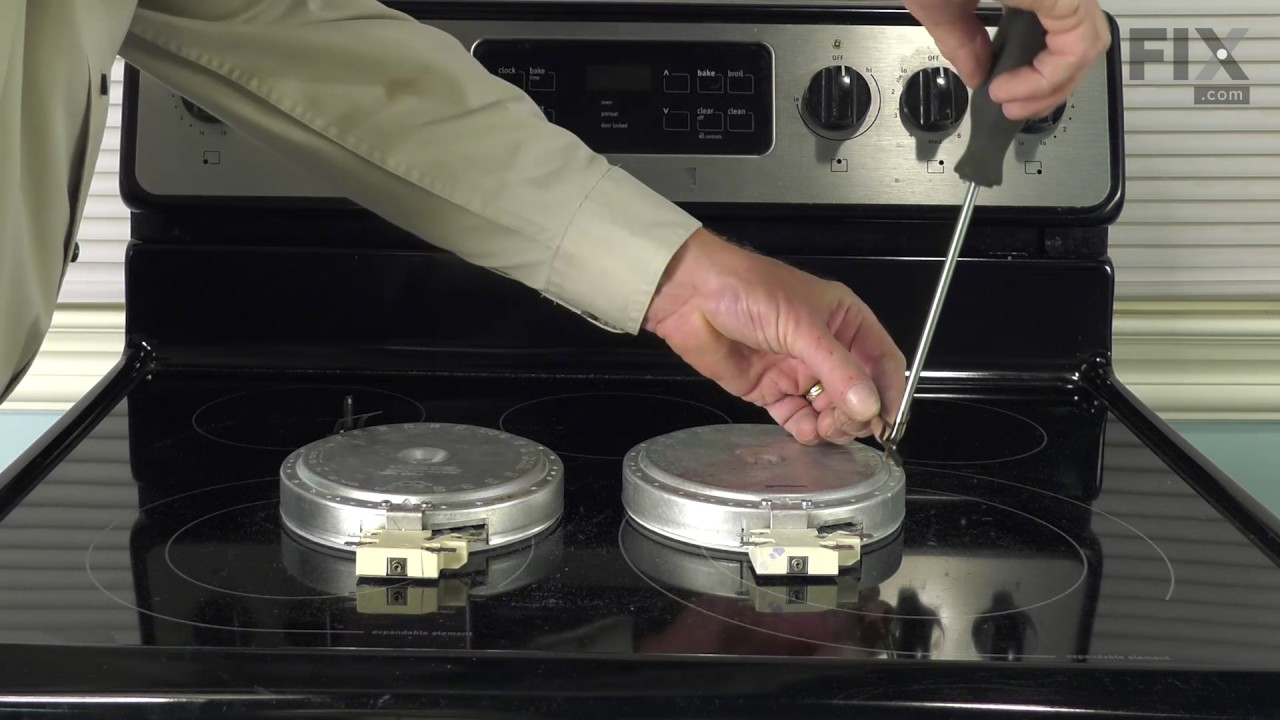
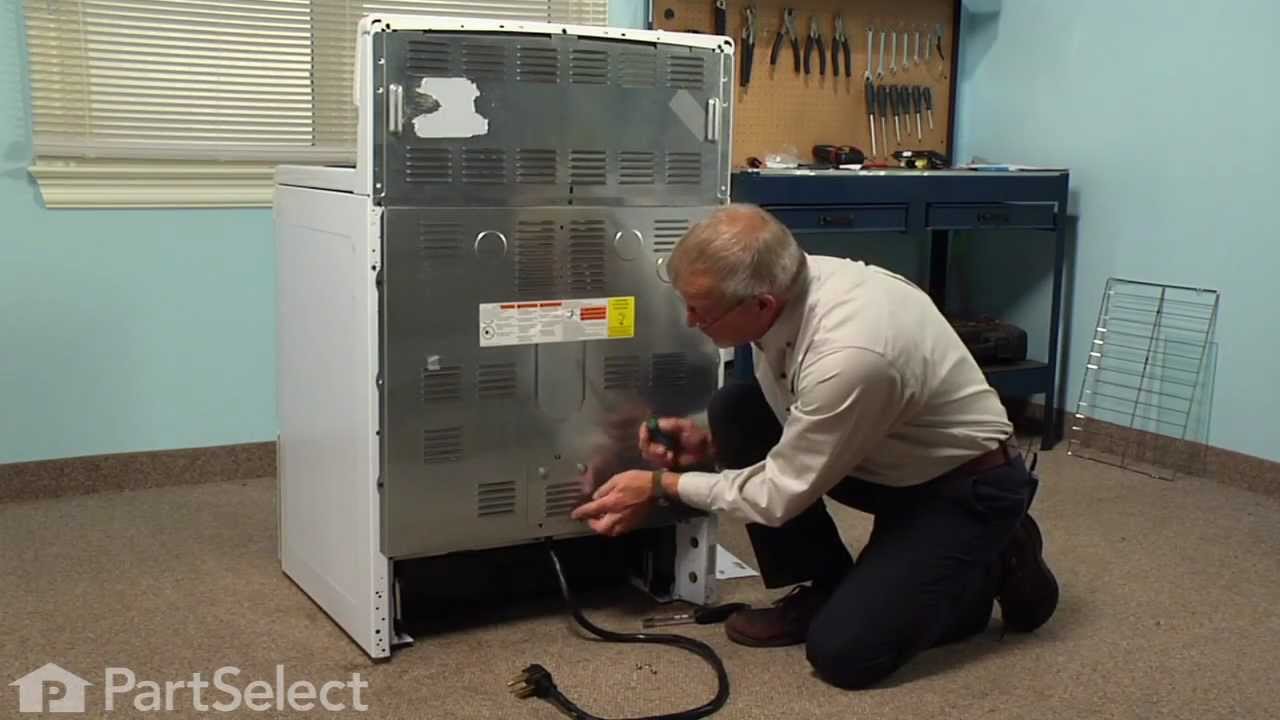
See how others fixed this model. Time, tools, difficulty, and steps that lead to victory!
View More