

 My Orders




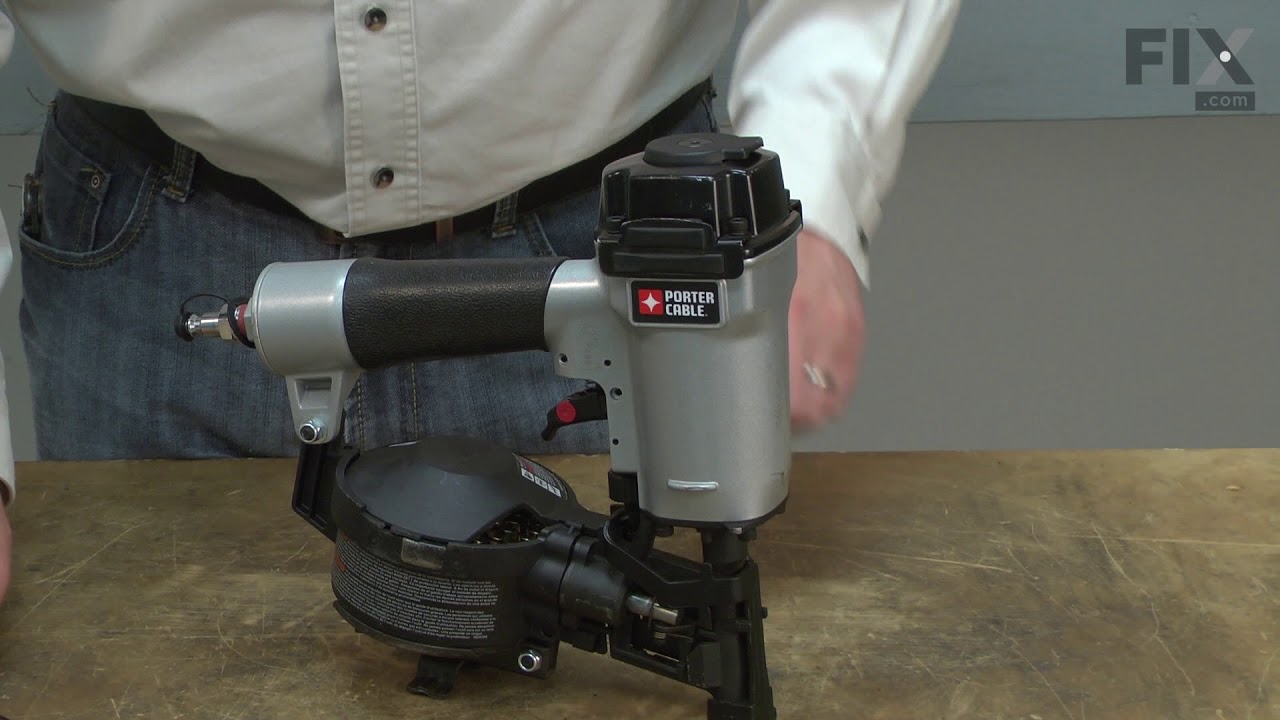
DA250B Porter Cable Nailer - Overview

Enter a part description. DIY Heroes keep it simple, eg. "belt" or "pump".
Search filter:
Clear Filter
Your search term must have 3 or more characters.

$6.40
In Stock
URETHANE RETAINER
Part #890725
This is a genuine Porter Cable replacement part, it is sold individually. The purpose of the 890725 Retainer is to secure the pins used on the model numbers shown below. It is advised to check the condition of the retainer often, for the reason the do deteriorate over time and can fall off of the pin they are retaining.

$6.40
In Stock
O-RING
Part #883936
O-rings are designed to contain thousands of pounds of pressure by creating a seal between two or more parts. O-ring measurements are defined by the inside diameter and the thickness. rnrnThere are many causes for O-Ring failure, such as pressure, friction, temperature or chemicals. The most common are: • Extrusion and Nibbling...Read moreu> - O-ring has ragged, tattered edges. These are commonly caused by pressure spikes which shear off tiny "bites" from the o-ring, or caused by clearance gaps. • Abrasion - One or both sides of the o-ring appear rough and slightly flattened. Commonly caused by a contact surface that is too rough, contains grit or is too smooth to allow lubrication. • Over Compression - O-ring is flattened on both sides and may have a "ring" split along its length. Commonly caused by excessive pressure or heat. • Heat Hardening - O-ring has a pitted or cracked surface, and often is flattened on both sides. Caused by temperature exceeding o-ring capacity. • Weather/Ozone Cracking - O-ring is covered in small surface cracks. Caused by exposure to ozone, UV rays and air pollution. Excessive seal stretching causes similar cracking.
Read less

$26.46
In Stock
COLLAR
Part #904749
Genuine Porter Cable replacement part, this item is sold individually. This part acts as a seal and a spacing collar for the Nail Guns. This is a neoprene part and it has a tendency to deteriorate. It may be a good idea to check on the condition of this part periodically.

$69.97
In Stock
SS/A TRIGGER VALVE K
Part #A08368
This unthreaded trigger valve assembly is a genuine OEM assembly used in nailers. It includes the trigger valve, 1 rubber washer, and 3 roll pins. The trigger valve controls the flow of air in the tool which drives the piston and creates the nailing action. If the valve becomes stuck, the seals wear down, or the trigger breaks the nailer ...Read morewill leak air, struggle to fire, or not fire at all. Begin the repair by switching off the tool and using a push pin to remove the trigger. Remove the roll pins that secure the trigger valve and pull the trigger valve out of the housing. Insert the new valve into the housing, install the pins to hold it in place, and secure the stay pin with the washer.
Read less

$6.40
In Stock
O-RING
Part #883938
O-rings are designed to contain thousands of pounds of pressure by creating a seal between two or more parts. O-ring measurements are defined by the inside diameter and the thickness.
Of the many causes for O-Ring failure, the most common are:
• Extrusion and Nibbling - O-ring has ragged, tattered edges. These are com...Read moremonly caused by pressure spikes which shear off tiny "bites" from the o-ring, or caused by clearance gaps.
• Abrasion - One or both sides of the o-ring appear rough and slightly flattened. Commonly caused by a contact surface that is too rough, contains grit or is too smooth to allow lubrication.
• Over Compression - O-ring is flattened on both sides and may have a "ring" split along its length. Commonly caused by excessive pressure or heat.
• Heat Hardening - O-ring has a pitted or cracked surface, and often is flattened on both sides. Caused by temperature exceeding o-ring capacity.
• Weather/Ozone Cracking - O-ring is covered in small surface cracks. Caused by exposure to ozone, UV rays and air pollution. Excessive seal stretching causes similar cracking.
Read less

$10.05
On Order
PIN
Part #897351
This pin is a part of the trigger assembly in your nailer. It is responsible for controlling the firing mechanism. When the trigger is pulled, the pin activates, releasing a spring-loaded driver that propels the nail forward and drives it into the material you are working on. To check if the pin needs replacement, inspect the trigger asse...Read morembly for signs of wear, damage, or malfunction. You may notice that the trigger is sticky or unresponsive, and the nailer fails to fire consistently. To replace the pin, start by removing the trigger from the nail gun. The trigger is secured with a pin and a urethane ring, so use a punch to push the pin out. Before installing the new pin, place the spring inside the trigger, ensuring the other end aligns with the trigger valve. Compress the spring while placing the trigger valve back into the housing. Once the trigger valve is in place, insert the replacement pin. Turn the gun over and secure the pin with the urethane ring. Please note that this OEM replacement part is sold individually.
Read less

$6.40
In Stock
SPRING-RESTRICTIVE T
Part #904701
It is an authentic OEM component which is made for Porter Cable nailers. This spring applies tension on the trigger allowing it to retract. If the spring is stretched, damaged or lost, this part will provide an identical replacement for the original hardware that was installed on a new unit. One durable metal spring is included. Replacing...Read more it is a simple task that should not require any special tools. Check the appropriate diagrams for your model to ensure the proper repair procedure.
Read less

$11.21
In Stock
GASKET
Part #904744
This replacement gasket is supplied directly from original equipment manufacturer for use with Porter Cable nailers. It is utilized to provide an air-tight seal between the cap and the main body. Over time the material may deteriorate and crack breaking the seal eventually requiring replacement to keep your tool performing at top level. P...Read morelease note this part is made of durable high-quality composite and it is sold individually.
Read less

$30.89
In Stock
SEAL
Part #904750
This is a genuine item that is supplied by the original equipment manufacturer for use with Porter Cable nailers. It provides a high-quality replacement for a worn or a missing seal that was installed on a new unit. To ensure the exact location and the correct installation, refer to the diagrams of your model. Keep in mind, this part is m...Read moreade of durable rubber material and is sold as an individual component. You will need an Allen wrench to remove and reattach the head cap in order to perform this repair.
Read less

$6.40
In Stock
SPRING - HEAD VALVE
Part #A02164
This is an authentic Porter Cable replacement part. The head valve spring is designed by the manufacturer for use in an angle nailer. This part is made of metal, and is used to apply tension to the head valve or seal. You will require an Allen wrench or hex key when replacing this part. This item is sold individually.

$6.40
In Stock
O-RING
Part #883849
O-rings are designed to contain thousands of pounds of pressure by creating a seal between two or more parts. O-ring measurements are defined by the inside diameter and the thickness. Of the many causes for O-Ring failure, the most common are: • Extrusion and Nibbling - O-ring has ragged, tattered edges. These are commonly...Read more caused by pressure spikes which shear off tiny "bites" from the o-ring, or caused by clearance gaps. • Abrasion - One or both sides of the o-ring appear rough and slightly flattened. Commonly caused by a contact surface that is too rough, contains grit or is too smooth to allow lubrication. • Over Compression - O-ring is flattened on both sides and may have a "ring" split along its length. Commonly caused by excessive pressure or heat. • Heat Hardening - O-ring has a pitted or cracked surface, and often is flattened on both sides. Caused by temperature exceeding o-ring capacity. • Weather/Ozone Cracking - O-ring is covered in small surface cracks. Caused by exposure to ozone, UV rays and air pollution. Excessive seal stretching causes similar cracking.
Read less

$6.40
In Stock
CYL CHECK SEAL
Part #883926
This is a Porter Cable replacement part directly sourced from the manufacturer for use in nailers and staplers. The cylinder check seal attaches to the cylinder. It might require a set of pliers and a wrench to replace this item. It may become broken and will need to be replaced. This part is available individually.
Manuals & Care Guides for DA250B
Click to downloadWatch our pros, then fix it yourself.