


 My Orders




DA1040 Speed Queen Washer - Overview
Diagrams for DA1040
See every part. Know exactly what you need.
-
ACCESSORIES

-
AGITATOR POST AND SPIN TUB

-
AGITATOR, SHAFT & FABRIC SOFTENER DISP

-
BEACH DISPENSER

-
BOOT, CHASSIS AND DRAIN TUB

-
CABINET TOP AND LOADING DOOR

-
COUNTERBALANCE WEIGHT, BRKT & MTG PLATE

-
CTRL PANEL, CTRL & PANELS

-
DOOR SAFETY SWITCH

-
DRAIN (NON SUDS - WATER SAVER MODELS)

-
MAIN BEARING ASSY

-
MIXING VALVE ASSEMBLIES

-
MIXING VALVE ASSEMBLIES

-
MIXING VALVES

-
MOTOR AND FLUID DRIVE

-
POWER CORD, WIRE AND TERMINALS

-
PUMP ASSY

-
RESERVOIR & DRAIN VALVE

-
RESERVOIR AND DRAIN VALVE

-
TRANSMISSION ASSY

-
WATER INLET & FILLER HOSE

-
WATER INLET AND FILLER HOSE

Enter a part description. DIY Heroes keep it simple, eg. "belt" or "pump".
Search filter:
Clear Filter
Your search term must have 3 or more characters.

$7.47
In Stock
Washer Hose Clamp
Part #WP596669
This hose clamp is used in a wide variety of household appliances. Most often it is found in washers, dishwashers, refrigerators, freezers, dehumidifiers, garbage disposals, or air conditioners. This clamp is used to securely attach a hose to another part of your appliance, which helps prevent leaks from those connections. Depending on th...Read moree appliance, it can attach hoses to drain pumps, water inlet valves, pressure switches, and injector nozzles. We recommend you refer to model-specific diagrams for appropriate uses and exact placement. This hose clamp is made of metal, and is sold individually. To access and replace this part you will need a nut driver, pliers, and screwdrivers. Before you begin any repair work, make sure you have unplugged your appliance, and shut off the water supply if applicable.
Read less

$17.15
In Stock
Adjustable Leveling Leg
Part #22003428
If your washer shakes or vibrates loudly when it reaches its max speed, make sure the 4 levelling legs are even. Adjust the legs so that the machine is level, and tighten the locking nuts on the legs that are threaded. Your washer should be kept as close to the floor as possible. Your model might have rear legs that level themselves, or i...Read moret might have threaded legs all around. Make sure the rubber feet have not worn out. Replace any missing or damaged legs and feet. This genuine OEM replacement part is sold individually, so be sure to order the amount you need.
Read less

$9.62
In Stock
Hose Clamp
Part #WP285655
The hose clamp is used to hold the water hose in place which will prevent the hose from leaking water. Sometimes the clamp may lose its ability to latch on, causing a leaking washer. For the installation, you will need a flat head screw driver to replace the clamp and a drill to access the screws to remove the front of the washer. Be care...Read moreful if you do not have specific clamp pliers as the clamp could fly off. Once the front of the washer has been removed, take a quick look for water damage or any obvious signs of where the leak is coming from. If it is not obvious, run water to test.
Read less

No Longer Available
Washer Inlet Hose Washer
Part #WPY013783
This inlet hose washer, also known as a high pressure inlet hose washer, is used in washing machines, refrigerators, freezers, and dishwashers. The function of this part is to create a watertight seal in the appliance. If your gasket gets dry and brittle over time it will start to crack and will lose its function. In this case, it is impo...Read morertant to replace it. Refer to the manual provided by the manufacturer for further installation instructions and accurate guidance. As a safety precaution, remember to unplug your washer from the power source before beginning.
Read less

No Longer Available

$7.47
In Stock

$9.62
In Stock

$7.47
In Stock
Washer Screw Ground
Part #WP3351614

$7.47
In Stock

$7.47
Special Order

$7.47
Special Order
Dryer Nut
Part #WPW10139757
Sold individually. This nut is for dryers.
Follow appropriate safety practices when installing the nut.

$21.45
Special Order
Nut
Part #M0282009
This part is sold individually. This nut can be found in various appliances including a dishwasher, air conditioner, washer, dryer, range/cooktop, oven, freezer, range hood, and refrigerator. There is a serrated pattern along the edge of the nut, which helps to avoid loosening while the appliance is in motion. Nuts may corrode or rust ove...Read morer time and will need to be replaced. You will need a wrench to screw the nut into place. This genuine OEM part comes directly from the manufacturer.
Read less
Common Symptoms of the DA1040
How this model fails, and the parts that fix it.


Watch our pros, then fix it yourself.
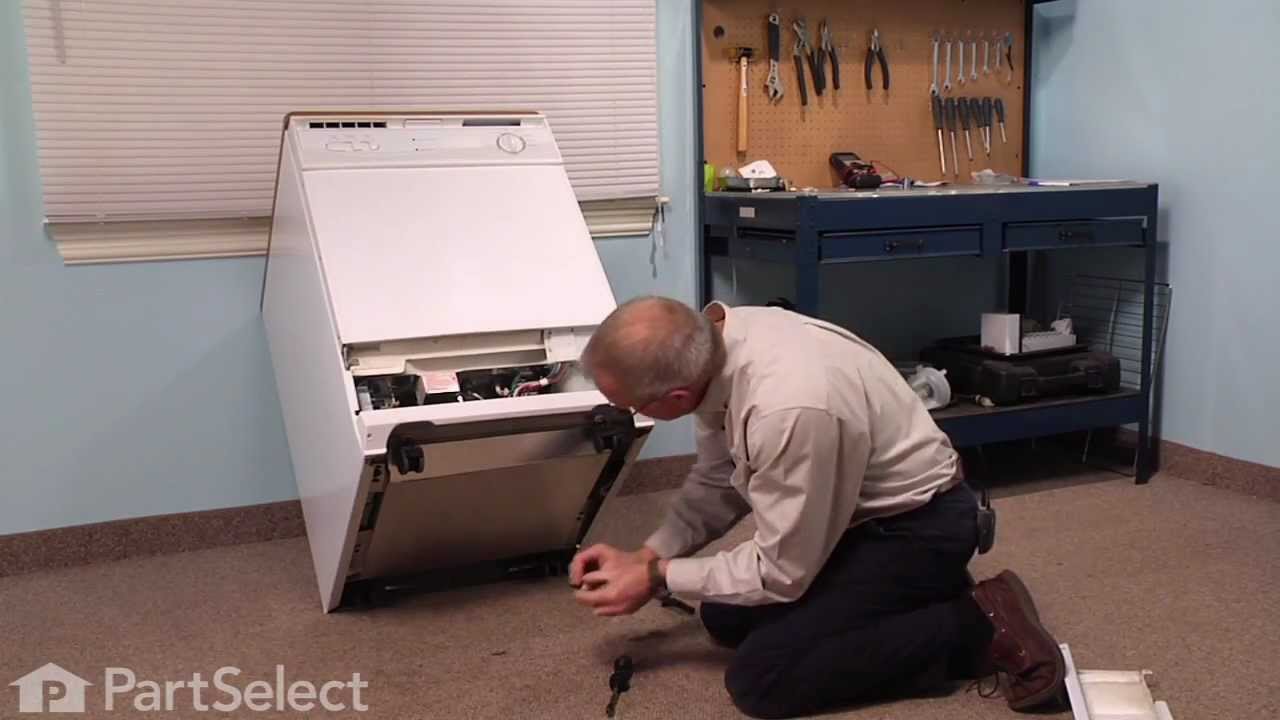
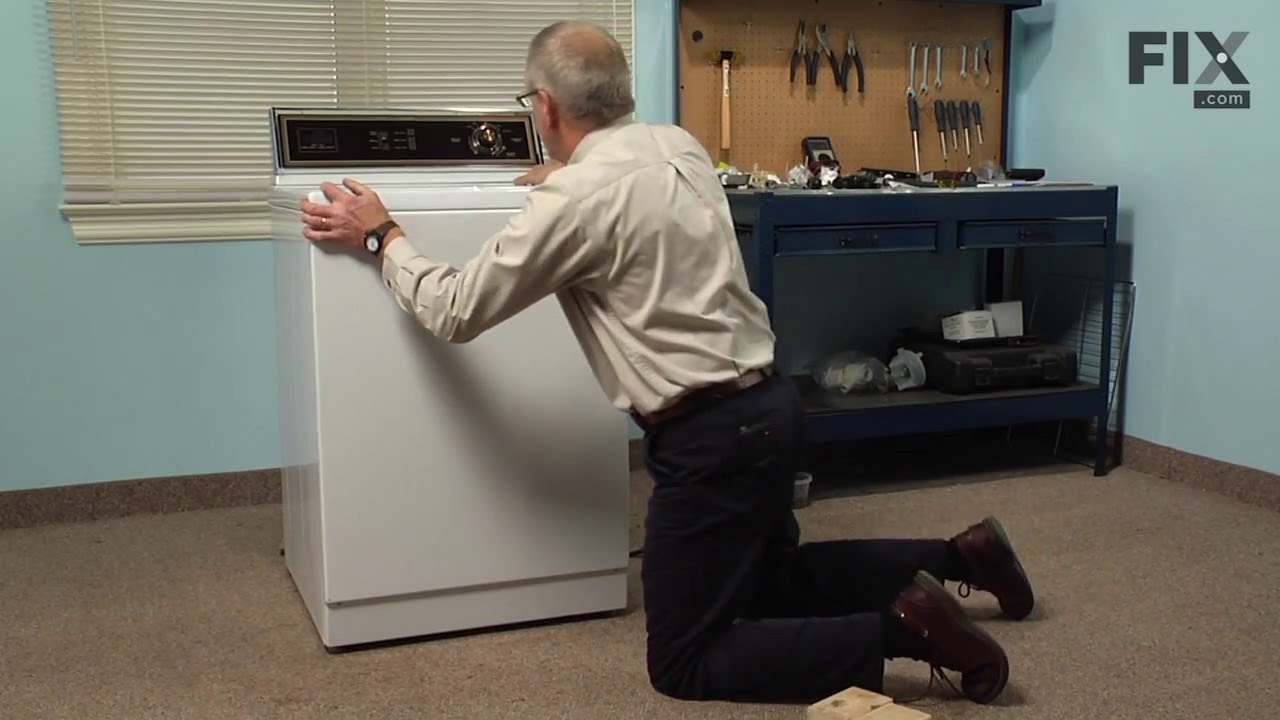
See how others fixed this model. Time, tools, difficulty, and steps that lead to victory!
View More