



 My Orders




58971K2WW General Electric Washer - Overview

Enter a part description. DIY Heroes keep it simple, eg. "belt" or "pump".
Search filter:
Clear Filter
Your search term must have 3 or more characters.

$39.42
Special Order
DAMPENING STRAP 2PACK
Part #WH01X39337
The tub dampening straps support the wash tub and reduce vibration by keeping the tub at the center of the cabinet. If your washer shakes and moves, or is making a loud banging noise during the wash cycle, the washing machine tub could be off-balance, meaning one or more of these straps may be loose, or broken. Other symptoms include: the...Read more washer leaking, not agitating, or pumping but not spinning. These straps are sold individually. However, we recommend that you replace all 4 straps at the same time. It is also recommended that you check the tub for cracks where these straps mount.
Read less

$36.37
In Stock
Drain Hose
Part #WH41X10096
The drain hose is black in color and made of flexible material. This is a part for your top-load washer. The hose measures 57 inches long. This part moves the water out of the washer and into the drain. If this parts cracks or becomes damaged it will leak during the drain cycle of your wash and you may find water on the floor. To access t...Read morehe hose, you will need to move the washer away from the wall to get to the back of the appliance. There will be two screws holding it in place that will need to be removed.
Read less

$61.55
In Stock
Drain Pump and Motor Assembly
Part #WH23X10030
This pump helps expel water from the washing machine and is activated after the spin speed is maintained for a specific period of time. If you notice that your washing machine will not drain, there is a good chance that you will have to replace the drain pump. The drain pump is located inside the washing machine, near the bottom. To acces...Read mores the drain pump for this repair, you will need to remove the front panel. Before you begin this repair, be sure that the power source is disconnected and the water source is shut off.
Read less

$22.24
In Stock
Tub Seal
Part #WH02X10383
The main tub seal is located between the transmission and the outer tub. Its the primary water seal in the outer tub for the transmission-shaft. If your washer is leaking during the fill cycle, or at agitation time, your tub seal may need to be replaced. You can check if the tub seal needs to be replaced by watching that area during an ac...Read moretual fill cycle. Take off the front panel, or if it is a front-loading washer, the rear panel. Without touching the washing machine, observe the place where the shaft of the transmission comes into the tub and the weep holes at the housing of the rear bearing. If there is water leaking, the tub seal is at fault.
NOTE: This seal is difficult to replace and should probably be installed by a qualified technician.
Read less

$16.05
In Stock
Washer Drain Hose Clip
Part #WH16X513
This drain hose support clip is a piece for your washer. The purpose of the drain hose support clip is to hold the drain hose in place by attaching to a cabinet. This piece is off-white and is roughly 3.5 inches long, almost 2.5 inches wide, and less than half an inch thick. To install this piece onto your washing machine you will need a ...Read morequarter-inch nut driver. Before starting this repair, make sure to disconnect the power source to your washer, as well as the inlet fill hoses.
Read less

$38.45
In Stock
6-Rib Drive Belt
Part #WH01X10302
This drive belt is made to slip on the motor pulley to bring the basket up to the speed required and this makes the belt get wear and tear.

$95.16
Special Order
Dual Water Inlet Valve
Part #WH13X10024
This water inlet valve attaches the water lines to the back of your appliance. The attaching solenoids on the valve open and close according to the desired temperature, or amount of water needed.

$16.05
In Stock
Tub Bearing Washer
Part #WH2X1197
This is a tub bearing and it is meant to work in conjunction with your washing machine. The purpose of this part is to aid in keeping the inner tub of your washing machine spinning smoothly during a wash cycle. The most common reasons for needing to change your tub bearing is if your appliance is noisy or shaking/moving during the wash cy...Read morecle, another common symptom is leaking water. This part is sold individually and measures to have an inner diameter of roughly 1 inch, and an outer diameter of roughly 2 inches.
Read less

No Longer Available
Split Ring
Part #WH02X10265
This split ring is supplied by the original equipment manufacturer, and it is designed to secure the tub bearing in washing machines. It is a circular metal ring, with an outer diameter of 2 inches. The ring has a split or gap, which allows it to expand and contract for easy installation and removal. It is typically located on the inner s...Read moreide of the washing machine outer tub, where it provides stability and prevents the washer from excessively shaking during use. It is normal for the split ring to become worn, corroded, or damaged due to age, exposure to moisture, and excessive stress. A faulty split ring will lead to a noisy, unstable washer and eventually cause the tub assembly to fall out of alignment. Remove the washer panels to access the outer tub and split ring. Carefully detach the damaged split ring from the tub and position the new split ring in its place. Ensure that it is properly aligned and securely fastened before reattaching the panels.
Read less

$26.66
In Stock
Hub Nut
Part #WH2X1193
This part is the hub nut, or lock down nut for your washing machine. It is designed to hold the inner tub on to the transmission. If your hub nut is stripped or damaged, it may need to be replaced. This hub nut is approximately 1.5 inches in diameter. This is an OEM part sourced directly from the manufacturer. You will need a hub nut wrench and some WD40 to loosen the nut and remove it from the agitator shaft.

$43.94
In Stock
Tub Bearing
Part #WH2X1198
This tub bearing goes in your washing machine. You will find it on the bottom of the outer tub, where the transmission goes through the tub. If you hear metal on metal when the washer is spinning, you may need to replace the tub bearing. This bearing is made of metal, and is approximately 3 inches wide and 2 inches tall.

$15.00
In Stock
Hub Washer
Part #WH2X1199
This is a replacement hub washer for your washing machine. If your washer is noisy, leaking, shaking, or pumping without spinning, you may need to replace the hub washer. The hub washer is found under the washer tub, beneath the split ring. You will need to remove the tub to access it. Before doing so you should disconnect the power and w...Read moreater sources from washer. The washer is made of metal and is a little more than an inch in diameter. It is sold individually, and is an OEM part.
Read less
Common Symptoms of the 58971K2WW
How this model fails, and the parts that fix it.
Leaking
Fixed by
these parts
these parts


Show All
Will not drain
Fixed by
these parts
these parts


Show All
Will not agitate
Fixed by
these parts
these parts


Show All
Will Not Start
Fixed by
these parts
these parts


Show All
No hot or cold water
Fixed by
these parts
these parts

Show All
Shaking and Moving
Fixed by
these parts
these parts

Show All
Spinning Issues
Fixed by
these parts
these parts

Show All
Spins slowly
Fixed by
these parts
these parts
Show All
Burning smell
Fixed by
these parts
these parts
Show All
Noisy and Marks Left on Clothes
Fixed by
these parts
these parts

Show All
Marks left on clothes
Fixed by
these parts
these parts
Show All
Noisy
Fixed by
these parts
these parts

Show All
Touchpad does not respond
Fixed by
these parts
these parts
Show All
Draining Issues
Fixed by
these parts
these parts
Show All
Water Filling Issues
Fixed by
these parts
these parts
Show All
Watch our pros, then fix it yourself.
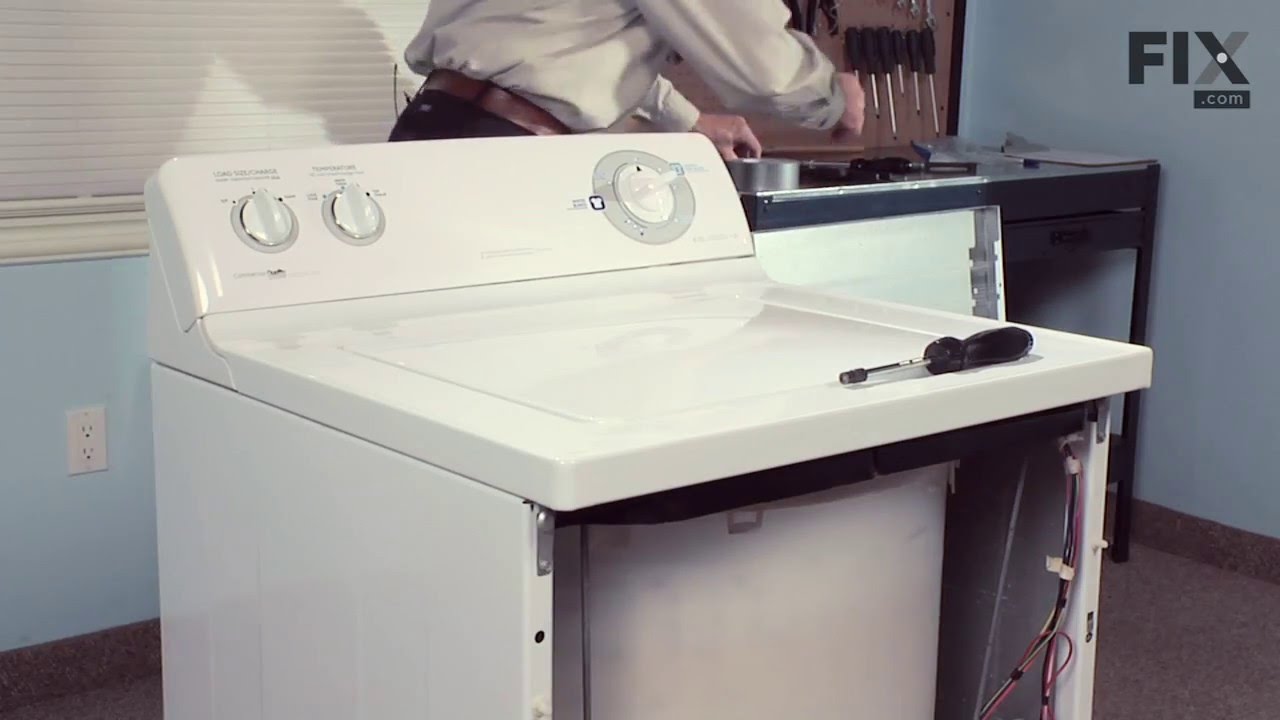
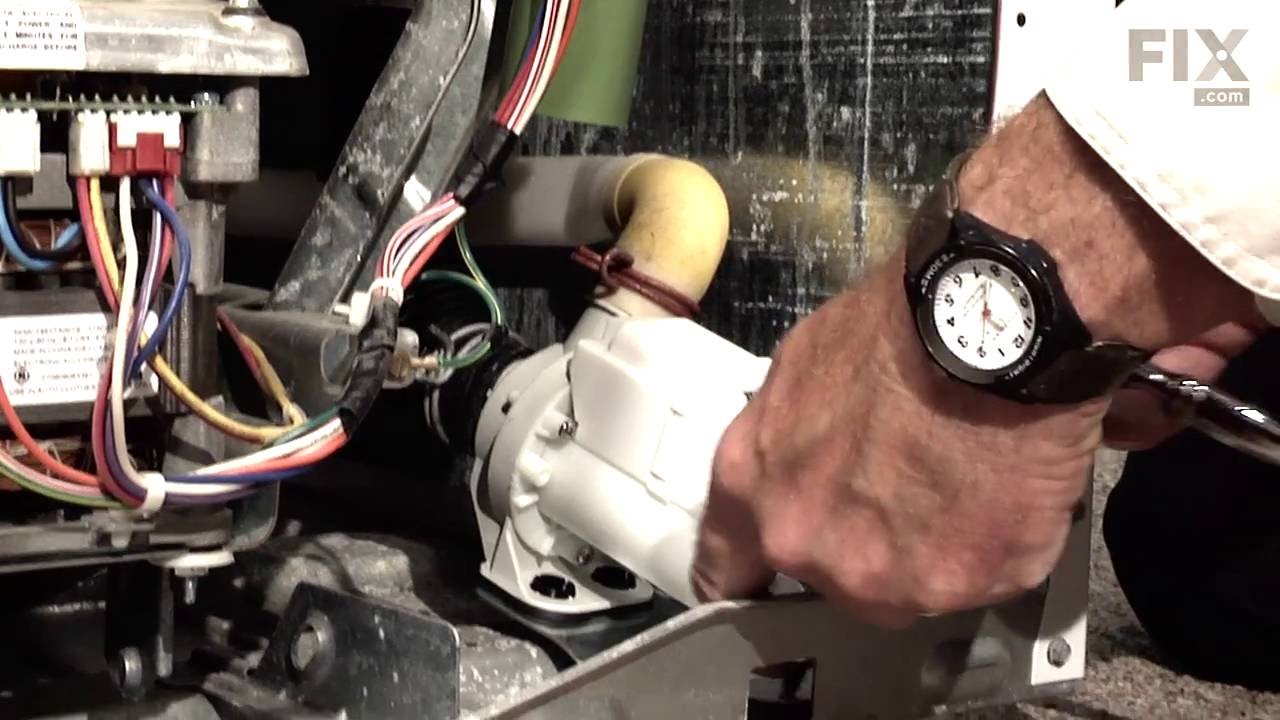
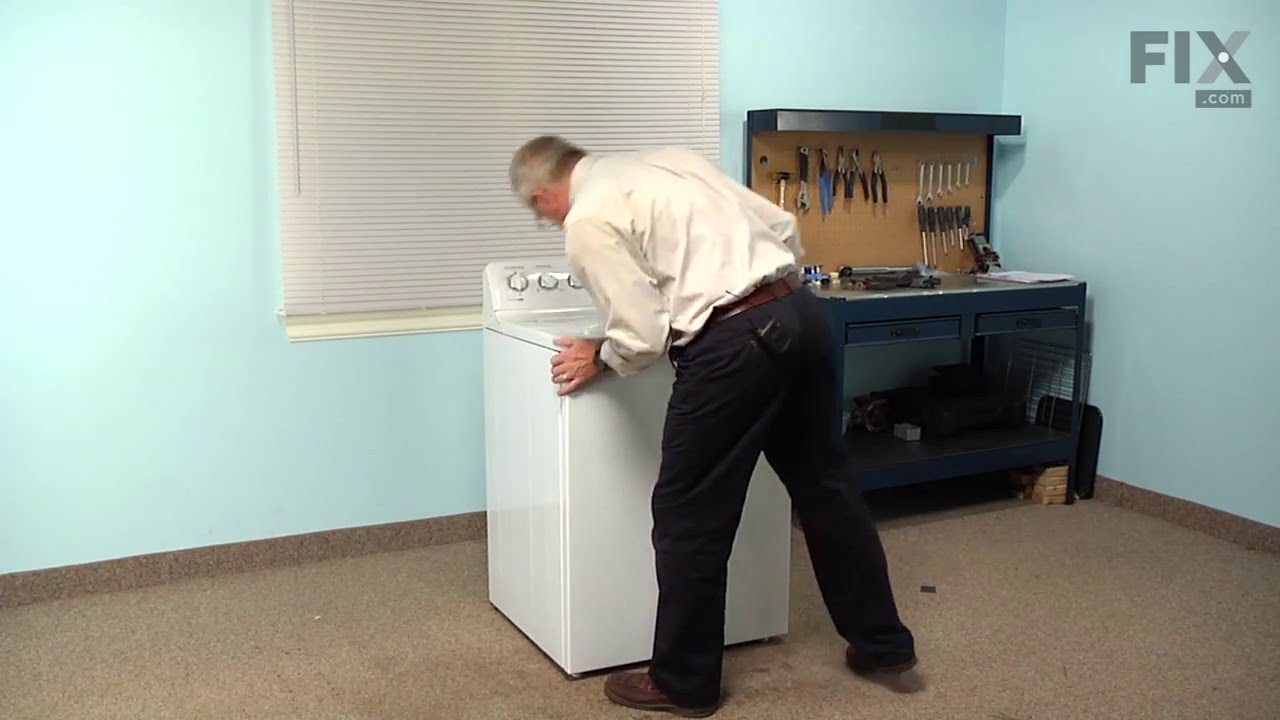
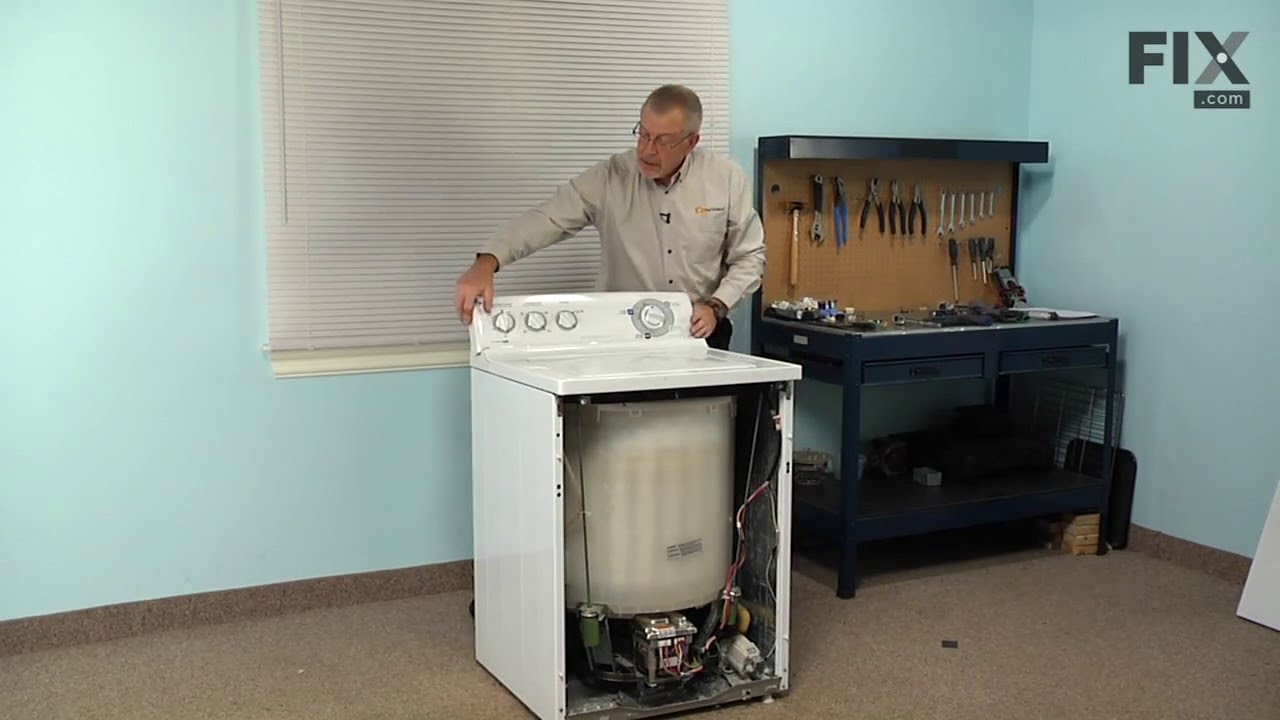
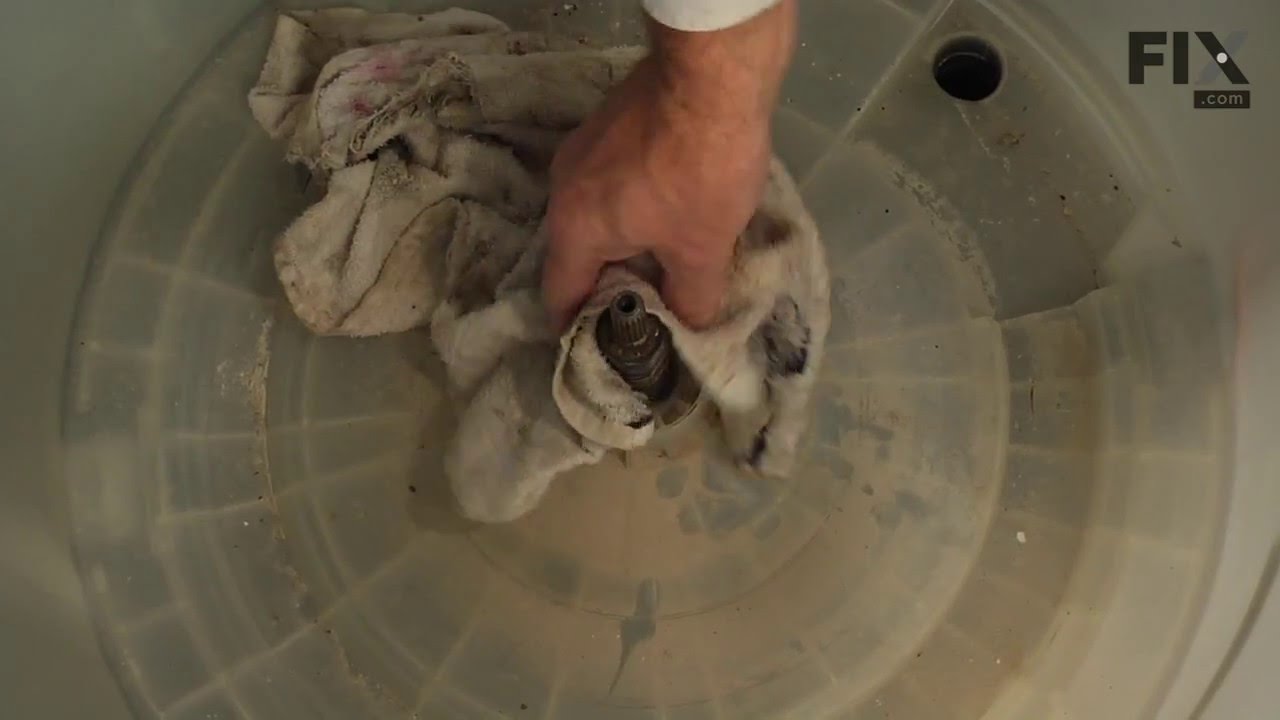
See how others fixed this model. Time, tools, difficulty, and steps that lead to victory!
View More
Search repair tips from other customers using simple keywords like "replace", "fit", "remove", "inspect". DIY doesn't mean you have to do it alone!
Search filter:
Clear Filter
Your search term must have 3 or more characters.
Washing Machine was not draining water from tub.
304 of 334 people
found this instruction helpful.
1. Drained the wash tub by taking the drain hose from the back of the washing machine and dropping it below the tub - water flowed out of hose a lot easier than trying to suck water out of tub using a pump (tried this on the first time I tried to fix washer). (Washing machine on 2nd floor of house and didn't want water running on floor)<
... Read more
br />2. Removed the 2 bolts holding the Pump/Motor assembly to the machine.
3. Removed both hose clamps on the Pump/Motor assembly and removed Pump.
4. Attached the new drain inlet hose to the pump and then to the tub with the original hose clamps.
5. Attached the drain hose to the pump and then plugged in the 2 wires for the pump.
6. Plugged in the washing machine and everything worked.
NOTES:
1. Hardest part was working with hose clamps (spring type clamps) in the tight space under the machine.
2. Easier to fix since I pulled machine apart a few days before - removing the clog in the pump/motor assembly only to get everything back together to find out that the motor was dead. Still well worth the time and effort due to not having to go out and buy a new Machine...
3. Removed both hose clamps on the Pump/Motor assembly and removed Pump.
4. Attached the new drain inlet hose to the pump and then to the tub with the original hose clamps.
5. Attached the drain hose to the pump and then plugged in the 2 wires for the pump.
6. Plugged in the washing machine and everything worked.
NOTES:
1. Hardest part was working with hose clamps (spring type clamps) in the tight space under the machine.
2. Easier to fix since I pulled machine apart a few days before - removing the clog in the pump/motor assembly only to get everything back together to find out that the motor was dead. Still well worth the time and effort due to not having to go out and buy a new Machine...
Read less
Other Parts Used:


Was this helpful?
Thank you for voting!
Old Hose Had A Leak
129 of 146 people
found this instruction helpful.
First I removed the screws that held the hose drain hose clip in place. Removed the damaged hose. Placed the new drain hose clip at the end of the new drain hose. Re-inserted back in hole, pushed in hose to necessary depth then tighted screws, Very easy and painless.
Other Parts Used:


Was this helpful?
Thank you for voting!